Skip to content












Your heat pump is running, but the house isn’t getting comfortable. The fan hums, the outdoor unit sounds normal, yet the temperature won’t budge. If you’ve asked yourself “why is my heat pump not heating or cooling,” you’re not alone. It’s one of the most frustrating HVAC problems for homeowners, especially during an Auburn cold snap or summer heat wave.
The good news is most causes are simple. A dirty filter, wrong thermostat setting, or blocked outdoor unit can all stop your heat pump from working correctly. A quick check around the system often solves the problem in minutes. Other causes, like refrigerant leaks or failed compressors, need a licensed technician.
This guide walks through the 9 most common reasons your heat pump stops heating or cooling, the DIY checks you can do in under 10 minutes, and the warning signs that tell you it’s time to call a pro. For more in-depth help, our guide to troubleshooting common heat pump issues has extra diagnostic steps worth bookmarking.
Why Is My Heat Pump Not Heating or Cooling?
The most common reasons a heat pump stops heating or cooling are incorrect thermostat settings, a dirty air filter, a blocked outdoor unit, low refrigerant from a leak, a stuck reversing valve, frozen coils, a tripped breaker, a failed compressor, or an undersized system. Quick checks on the thermostat, filter, and outdoor unit fix most cases. Refrigerant, electrical, or compressor issues need a licensed HVAC technician.
Heating vs Cooling Problems: Why It Matters
A heat pump that heats fine but won’t cool (or vice versa) usually points to a faulty reversing valve. A system that fails in both modes typically has an airflow, electrical, or refrigerant issue. Knowing which direction fails narrows the diagnosis fast.

9 Common Reasons Your Heat Pump Isn’t Working
Here are the most frequent causes, ranked from simplest to most serious.
1. Thermostat Set Incorrectly
This sounds too obvious, but it trips up more homeowners than anything else. Check that the thermostat is set to “Heat” or “Cool” mode (not just “Fan”), and that the target temperature is set a few degrees from the current room temperature. Also check the fan setting. When the fan is stuck on “On” instead of “Auto”, it keeps blowing air even when the system isn’t actively heating or cooling, which feels wrong but isn’t a malfunction.
2. Dirty or Clogged Air Filter
A clogged filter restricts airflow, forces the system to work harder, and can trigger a safety shutdown from overheating. Industry data suggests dirty filters are one of the top causes of heat pump underperformance. Check yours monthly. Our guide on what happens if your air filter is clogged explains the downstream effects in detail.
3. Outdoor Unit Blocked or Iced Over
Your outdoor unit needs clear airflow to move heat in or out of your home. Leaves, snow, debris, or nearby vegetation can all block intake. In winter, ice can build up on the coils and stop heat transfer entirely. Trane’s troubleshooting guide recommends clearing at least two feet of space around the unit year-round.
4. Refrigerant Is Low or Leaking
Refrigerant is what makes the heat transfer work. Low levels almost always mean a leak, since refrigerant doesn’t get used up under normal operation. Signs include hissing near the outdoor unit, liquid pooling, or ice forming on refrigerant lines. Refrigerant handling requires EPA certification, so this isn’t a DIY job.
5. Reversing Valve Stuck
The reversing valve switches your heat pump between heating and cooling modes. If the valve sticks or fails, your heat pump may cool fine but refuse to heat, or the reverse. Replacing a reversing valve is technical and needs a professional.
6. Frozen Evaporator or Outdoor Coil
Ice buildup can form from low refrigerant, dirty coils, a broken defrost timer, or restricted airflow. Light frost during cold weather is normal, and the system should defrost itself every few hours. Thick ice that won’t clear after a defrost cycle points to a bigger problem worth calling about.
7. Tripped Breaker or Electrical Issue
Heat pumps have separate breakers for indoor and outdoor units. A power surge or electrical overload can trip one without the other, leaving you with a partial outage. Check your electrical panel first. If the breaker trips again right after resetting, stop and call a technician, something is overloading the circuit.
8. Faulty Compressor
The compressor is the heart of the system. When it fails, the heat pump may run but produce no meaningful heating or cooling. Common signs include unusual noises, excessive hot or cold air swings, or the unit running constantly without reaching temperature. Compressor replacement is expensive and usually prompts a repair-or-replace decision on older systems.
9. System Is Undersized or Poorly Installed
Sometimes the problem isn’t a fault at all. A unit that’s too small for your home will run constantly without keeping up. Poor ductwork, leaky returns, or an incorrect load calculation at install can all cause ongoing performance issues that no repair will fix.

Need a hand with this at home? Air Pro Solutions provides heat pump installation in Auburn for homeowners across South King County.
Quick DIY Checks Before Calling a Technician
Try these in order before scheduling service. Most heat pump issues are solved at one of these four steps.
Check Thermostat Settings and Mode
Verify the mode is set to Heat or Cool (not Fan Only), the fan is on Auto, and the target temperature is well outside the current room temperature. If your thermostat is battery-powered, swap in fresh batteries. A dead or dying battery can cause strange, intermittent issues that look like bigger problems.
Inspect and Replace the Filter
Pull the filter out and hold it up to a light. If you can’t see through it, it’s time to replace it. Aim for filter changes every one to three months depending on household conditions. Our ” How to clean HVAC filter step by step guide walks through the process for washable filters.
Clear Debris From Outdoor Unit
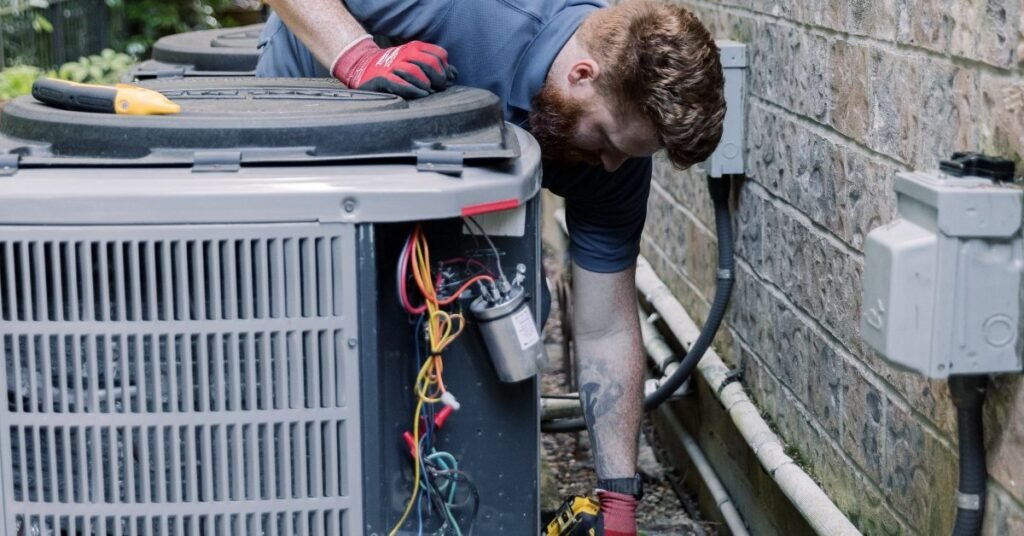
Turn off power to the outdoor unit at the disconnect switch. Clear leaves, grass clippings, and any debris from around and on top of the unit. Trim back plants that have grown within two feet of the coils. In winter, gently remove snow or ice buildup.
Reset Breakers at the Panel
Check your main electrical panel for tripped breakers. If one is tripped, flip it fully off, then back on. If it trips again immediately, don’t keep resetting it. That’s a sign of a real electrical problem that needs professional diagnosis. Our broader ” How to Troubleshoot Common HVAC Problems ” guide covers additional systemwide checks.
When Should You Call an HVAC Professional?
Some problems aren’t safe or practical to DIY. Here’s when to stop and call.
Refrigerant Leaks and Compressor Issues
Any refrigerant work is federally regulated and requires EPA certification. If you suspect a leak or the compressor is failing, call a licensed technician. Attempting to recharge refrigerant without training is illegal and dangerous.
Electrical and Sensor Failures
Repeatedly tripping breakers, burning smells, or sensor errors on smart thermostats all point to electrical problems. These need professional diagnosis with proper testing equipment.
Ice Buildup That Won’t Clear
If your outdoor unit ices over and doesn’t clear within a defrost cycle or two, something deeper is wrong, often a failed defrost timer, low refrigerant, or a bad fan motor. Leaving thick ice on the unit can cause permanent damage to the coils.

How to Prevent Heat Pump Problems
Prevention is cheaper than repair, especially for a system that runs nearly year-round in the Pacific Northwest.
Schedule Seasonal Tune-Ups
Book professional maintenance twice a year, once in spring before cooling season and once in fall before heating season. A technician cleans coils, tests refrigerant pressure, checks electrical connections, and catches small issues early. Our guide to the HVAC tune-up covers exactly what’s included.
Change Filters Every 1 to 3 Months
Set a reminder on your phone. Clean filters protect the blower motor, maintain airflow, and keep energy bills down. Homes with pets, smokers, or heavy dust need more frequent changes.
Keep the Outdoor Unit Clear Year-Round
Maintain two feet of clearance around the outdoor unit. Clear snow and ice in winter, trim back plants in spring, and rake leaves in fall. Our guide on why a heat pump is ideal for the local climate covers regional care tips in more depth.
Conclusion
A heat pump that won’t heat or cool almost always points back to one of nine causes: thermostat, filter, outdoor unit blockage, refrigerant, reversing valve, frozen coils, electrical, compressor, or system sizing. Start with the simple checks like thermostat, filter, and outdoor clearance before assuming the worst.
If the DIY steps don’t fix it or you spot signs of a refrigerant leak, electrical issue, or compressor trouble, reach out to Air Pro Solutions. Our team has helped local homeowners keep their heat pumps running smoothly through every Pacific Northwest season, and we’re ready to diagnose yours too.
Need heat pump installation in Auburn?
Air Pro Solutions handles heat pump installation in Auburn for homes across Federal Way, Kent and the surrounding area. Our licensed technicians give honest recommendations and clear pricing before any work starts.
Call 253-397-7220 or request service online.
Air Pro Solutions Heating, Cooling & Electrical, Auburn, WA 98092