Skip to content











If you’re replacing your heating system in Washington, you’ve probably asked this question already. Is a heat pump better than a furnace in WA, or should you stick with the gas furnace you’ve always known?
Most online advice assumes Midwest or Northeast winters. Washington’s climate is different. Auburn, Seattle, and the rest of the Puget Sound region sit in a mild, wet zone where winters rarely drop below the teens. That matters because heat pumps work best in exactly this kind of climate.
For the majority of Washington homeowners in 2026, a heat pump is the better long-term choice. It runs more efficiently, heats and cools from one system, and qualifies for stacked state and utility rebates that can cut thousands off the install. But furnaces still make sense in specific situations, and the right pick depends on your home, your budget, and your ducts.
This guide compares both systems using 2026 costs and Washington-specific incentives, so you can decide what fits your home. You’ll also find links to the best heating system for your house and other planning resources.
Is a Heat Pump Better Than a Furnace in WA?
For most Washington homeowners in 2026, yes, a heat pump is better than a furnace. Heat pumps run two to three times more efficiently than gas furnaces, provide both heating and cooling in one unit, and qualify for significant state and utility rebates. The mild Puget Sound climate is ideal for heat pump performance, making it the smarter long-term investment for most Auburn-area homes.
Why Washington’s Climate Tips the Scales
Heat pumps lose efficiency in extreme cold. That’s a real issue in Minnesota or Maine. It’s rarely a problem in Washington. Washington sits in IECC climate zone 4C, classified as Mixed-Marine, which means meaningful winter heating needs but without the prolonged deep freezes that challenge heat pumps. A properly sized cold-climate heat pump handles Auburn winters comfortably.

How Heat Pumps and Furnaces Actually Work
Before comparing costs and efficiency, it helps to understand what each system does.
How a Heat Pump Heats Your Home
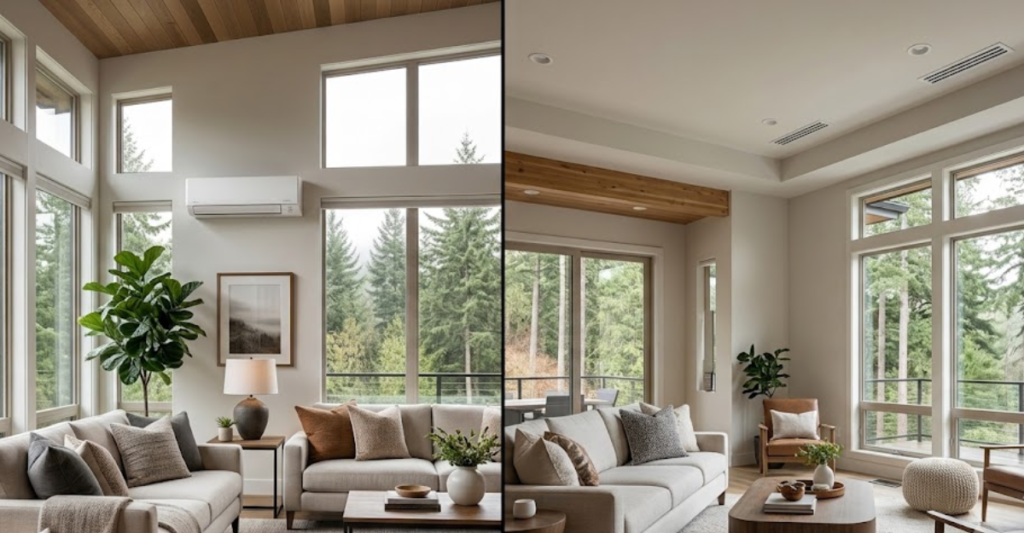
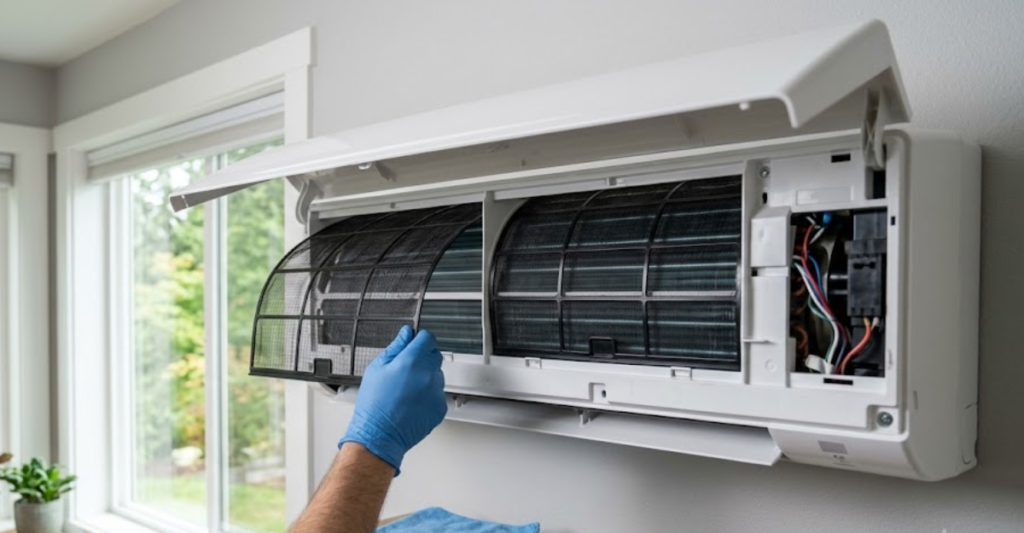
A heat pump doesn’t create heat. It moves heat from outside air into your home, even when temperatures drop below freezing. The same unit reverses in summer to pull heat out of your house and act as an air conditioner. One system, year-round comfort.
How a Gas Furnace Heats Your Home
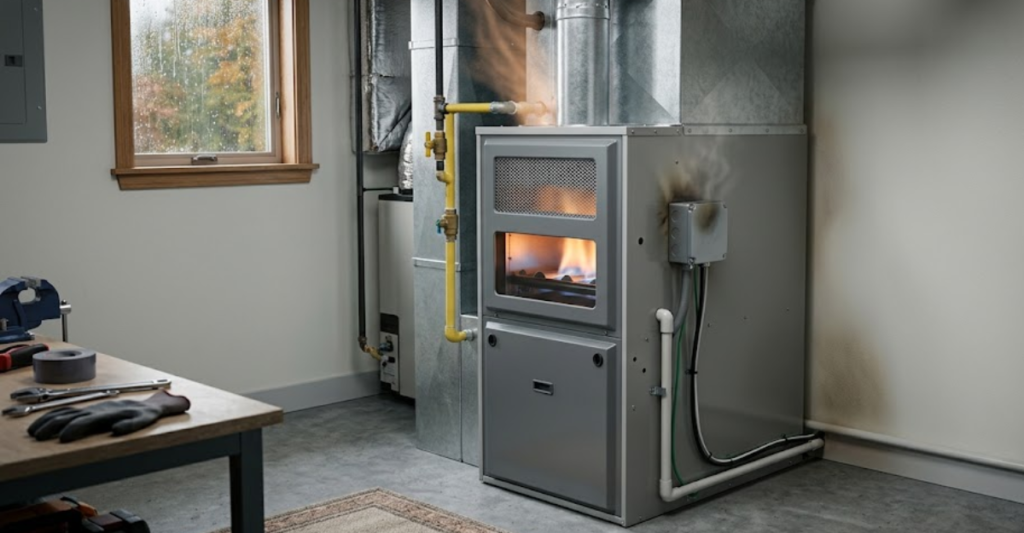
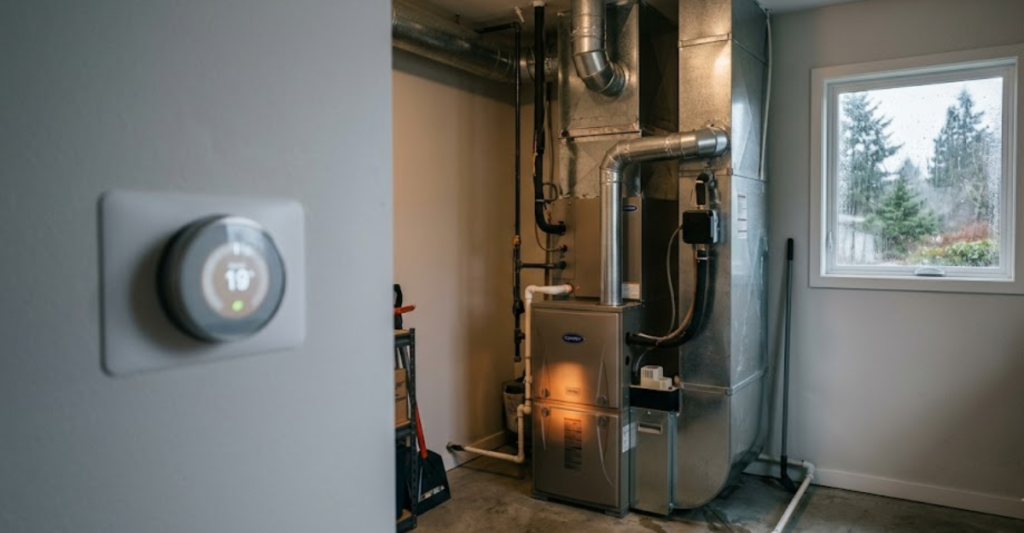
A gas furnace burns natural gas to create heat, then blows the warmed air through your ducts. It only heats. You’d still need a separate AC unit for summer cooling, which means two systems to maintain, two sets of parts to replace, and two lifespans to track.
Key Difference: Moving Heat vs Creating Heat
Moving heat takes far less energy than creating it from fuel. That’s why heat pumps can deliver three to four times more heating energy than the electricity they consume. A furnace, no matter how efficient, is capped by the fuel it burns.

Need a hand with this at home? Air Pro Solutions provides heat pump installation in Auburn for homeowners across Auburn and South King County.
Heat Pump vs Furnace in Washington: 6 Key Comparisons
Here’s how the two systems stack up for Auburn homeowners in 2026.
1. Energy Efficiency (Heat Pumps Win)
Modern gas furnaces hit 90 to 98 percent AFUE, meaning nearly all the fuel becomes heat. That sounds great until you compare it to heat pumps, which often deliver 300 to 400 percent efficiency by moving heat rather than creating it. For help understanding efficiency metrics, our guide to AC SEER rating and why it matters covers the cooling side.
2. Monthly Operating Costs in WA
Washington has some of the cleanest and most affordable electricity in the country thanks to hydropower. That’s a big reason heat pumps shine here. Running costs are typically lower than natural gas in WA, especially for homes that use a heat pump for both heating and cooling.
3. Upfront Installation Cost
Furnace replacement averages $2,800 to $6,900 in 2026. Heat pump installation usually runs $5,000 to $12,000 depending on size and type. The upfront gap looks big, but state and utility rebates often close it entirely for qualifying Washington households.
4. Lifespan and Maintenance
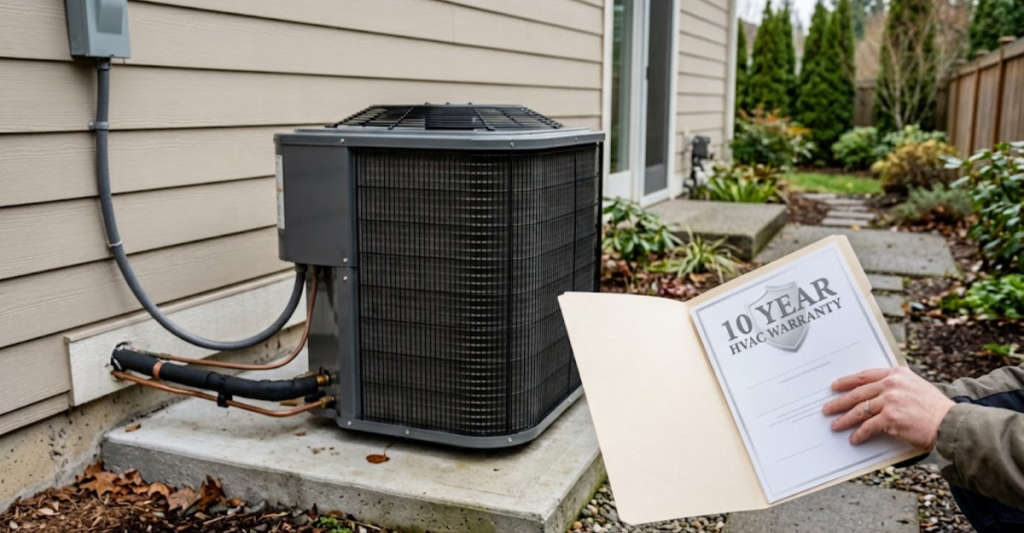
Gas furnaces typically last 15 to 20 years. Heat pumps usually last 12 to 15 years because they run year-round for both heating and cooling. Both systems need annual tune-ups. If you’re curious about keeping a heat pump running smoothly, check our guide to troubleshooting common heat pump issues.
5. Environmental Impact
Heat pumps don’t burn fossil fuels on-site. Paired with Washington’s clean grid, they can cut household carbon emissions dramatically compared to a gas furnace. That’s a meaningful factor for many homeowners thinking long-term.
6. Performance in Auburn’s Winter Lows
Older heat pumps struggled below 30°F. Modern cold-climate units keep working efficiently well below freezing, which easily covers Auburn’s typical winter range. Our dedicated guide on why a heat pump in Auburn is ideal for the local climate breaks down real performance data for the region.

What About Washington’s Heat Pump Rebates and Incentives?
Incentives shift the math significantly for WA homeowners. Here’s what’s available in 2026.
Federal Tax Credits (Status Changed in 2026)
The Section 25C federal tax credit that offered up to $2,000 for heat pumps expired on December 31, 2025. If you installed a heat pump in 2025, you can still claim it on your 2025 return filed in 2026. For new 2026 installations, federal direct tax credits are no longer available.
Washington State Rebates and Utility Programs
Washington still has strong 2026 incentives through the state-run HEEHRA program. Up to $8,000 is available for low-income households earning under 80 percent of area median income, and up to $4,000 for moderate-income households earning 80 to 150 percent AMI. These are point-of-sale rebates, applied directly at install rather than at tax time.
Puget Sound Energy (PSE) layers utility rebates on top. Air-source heat pump rebates typically range from $500 to $1,500 depending on the unit’s HSPF2 efficiency rating, with additional bonuses for ductless mini-splits and fuel-switching from a gas furnace to an electric heat pump.
How Incentives Change the Math
Stack a HEEHRA rebate with a PSE utility rebate, and the upfront cost of a heat pump can drop below a comparable furnace install. That’s the single biggest reason 2026 is a strong year to make the switch in Washington.
When Is a Furnace Still the Better Choice in WA?
Heat pumps aren’t right for every home. Here’s when a furnace still wins.
Homes Without Ductwork Flexibility
If your home has poor ductwork or no ducts at all, retrofitting for a central heat pump can get expensive. In many older WA homes, a ductless mini-split works better. You can read about the benefits of mini splits for older homes for that use case.
Budget-Conscious Short-Term Decisions
If you plan to sell your home in the next two or three years, the lower upfront cost of a furnace may make more financial sense than a heat pump investment that pays back over a decade.
Backup Heating Considerations
Some homeowners prefer a dual-fuel setup with a heat pump for mild weather and a furnace for rare cold snaps. It’s a smart compromise, though it means maintaining two systems rather than one.
Is a Heat Pump Right for Your Auburn Home?
A professional assessment is the only way to answer this for your specific home. A few factors matter most.
Home Size and Insulation Factors
Bigger, poorly insulated homes need larger systems. Upgrading insulation before installation often lets you install a smaller, cheaper unit that performs better.
Existing Ductwork Assessment
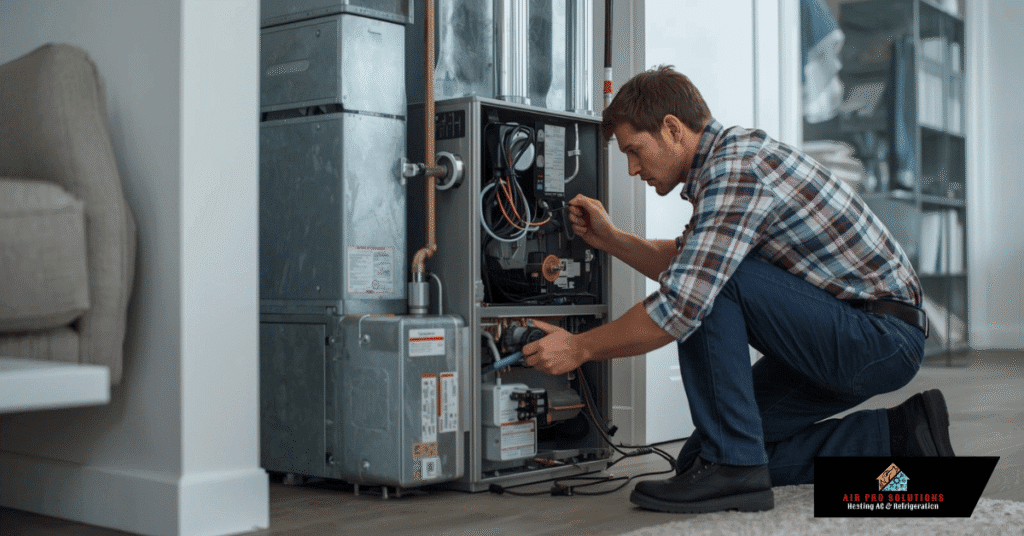
A technician should inspect your ducts for leaks, sizing, and condition. Good ducts mean a smoother retrofit. Damaged ducts may need repair first to avoid efficiency losses.
When to Get a Professional Load Calculation
Don’t guess at system size. A Manual J load calculation uses your home’s square footage, window area, insulation, and orientation to size the right unit. Our heat pump installation checklist walks through the full pre-install process.
Conclusion
For most Washington homeowners, a heat pump is the better choice over a gas furnace in 2026. The climate fits, the grid is clean, and stacked state and utility rebates make the upfront cost competitive or cheaper than a furnace install. Furnaces still have their place, especially in short-term budget scenarios or homes with complex ductwork challenges.
If you’re weighing the decision for your Auburn home, don’t guess. Reach out to Air Pro Solutions for a professional assessment. We’ll help you compare real numbers based on your home’s size, ducts, and eligibility for 2026 rebates, so you can make a confident choice.
Need heat pump installation in Auburn?
Air Pro Solutions handles heat pump installation in Auburn for homes across Auburn, Federal Way, Kent and the surrounding area. Our licensed technicians give honest recommendations and clear pricing before any work starts.
Call 253-397-7220 or request service online.
Air Pro Solutions, 1245 Auburn Way N #296, Auburn, WA 98092