Skip to content








Finding water pooling around your boiler is concerning, especially when a boiler leak affects safety, heating efficiency, and comfort. When a boiler is leaking, the issue may range from a minor drip to major problems requiring immediate attention. If you’ve noticed water around your boiler or see signs of boiler leaking water, understanding the common causes helps you fix the problem quickly and determine whether the boiler needs cleaning, installation adjustments, or professional repair.
At Air Pro Solutions, we help every homeowner in Auburn WA diagnose a leaking boiler before issues are left untreated. A boiler leak inside the boiler can be a sign that pressure is too high, a pressure relief valve may be leaking, or corrosion is causing water to escape. Below are the main causes and what to do next.
Understanding Your Boiler System
Your boiler heats water inside the system and circulates it through radiator units or radiant floors to warm your home. This entire heating system operates under boiler pressure, which is why water can escape if pressure is too high or if fittings deteriorate. Not all moisture is a water leak, but when water pooling forms around your boiler or water appears near pipework, the boiler might be leaking.
Sometimes the occasional drip is condensation, but consistent water leakage means something inside the boiler may be leaking and requires troubleshooting. Regular maintenance, cleaning, and proper installation prevent issues from developing into costly repairs.
Boiler Leaking Water Causes
Boilers can develop a leak for several reasons. Understanding these common causes of boiler leaks and the main causes helps you troubleshoot the issue and decide when to call a professional or call in a professional technician.
Corroded Pipes or Tank
Corrosion is one of the most common reasons for a boiler to leak. When metal components corrode or deteriorate, they weaken and lead to leaks. Internal corrosion inside the boiler can also cause the tank or pipework to corrode, creating pinholes and allowing water to escape.
Signs of corrosion include water leakage, rust stains, discoloration, and any area where metal begins to deteriorate. Over time, this can lead to leaks and causing water to escape. If your boiler systems are older, a new boiler installation may be more cost-effective than continued repair.

Faulty Pressure Relief Valve
A failing pressure relief valve or boiler pressure relief valve is another frequent source of a boiler leak. When boiler pressure climbs above safe limits, especially near 30 psi, the pressure valve will release water to prevent overpressure. If the valve malfunctions, gets stuck, or suffers pressure issues, water may continue to escape even when pressure is normal.
If water is coming from the discharge pipe, this is a clear sign the pressure relief valve needs service. High pressure inside the unit can lead to leaks, and if the pressure is too high repeatedly, a malfunction inside the boiler could be the cause.
Loose Pipe Connections or Fittings
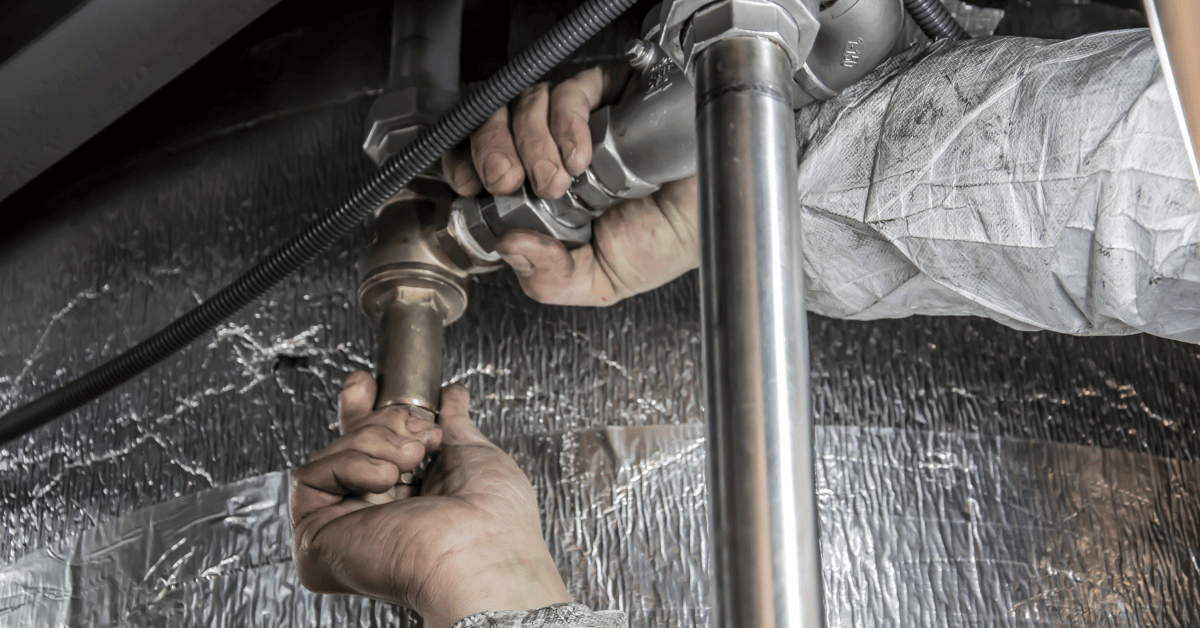
Heating cycles cause pipes to expand and contract. Over time, this can loosen pipe fittings, connections, or fittings within the boiler system. A loose fitting or valve can cause a visible drip or water leakage.
Loose connections are one of the more cost-effective repairs, but over tightening can damage parts. Poor installation may be leaking points as well. If you are unsure, it’s best to call a professional technician for boiler repair and proper troubleshooting.
Damaged or Worn Seals and Gaskets
A deteriorated seal, rubber seals, or damaged seals allow water to escape. The intense heat within the boiler, pressure fluctuations, and ongoing wear cause seals to deteriorate over time.
When seals fail inside the boiler, water can escape around pumps, joints, and flanges. This is a common cause that requires immediate attention. Repairing these components is a standard service but requires disassembly from someone trained in boiler repair.

High Water Pressure
If the boiler pressure is too high, water may escape through the relief valve or other weak points. Checking your pressure gauge regularly helps detect problems early.
Causes of a leaking boiler due to high pressure include:
- A faulty fill valve
- A waterlogged expansion tank
- Overfilling during maintenance
- Pressure issues caused by installation faults
If your boiler is leaking water because of pressure problems, turn off your boiler and have an HVAC technician troubleshoot the issue. High pressure and overpressure can create serious risks if left untreated.
Cracked Heat Exchanger
A cracked heat exchanger is one of the more severe issues. When cracks form, water can escape, causing a significant boiler leak. Heat exchangers deteriorate with age, corrosion, thermal stress, and malfunction.
Because a heat exchanger is expensive, replacement is often more cost-effective than repair. A cracked exchanger means the boiler needs major service or full replacement.
How to Identify Where Your Boiler Is Leaking
Before you troubleshoot, turn off your boiler and allow it to cool. Then check:
- The boiler body for corrosion
- All valves, pipework, and joints for water leakage
- The pressure relief valve
- Areas where water may escape from seals
- Signs of dripping or water trails
If water is coming from multiple areas or you notice a leak near electrical parts, you need immediate attention from HVAC professionals.
When to Call a Professional
Some homeowners can tighten a loose fitting or check the pressure gauge, but deeper issues require expert repair. Boilers involve gas, pressure, and electrical systems, making professional service essential.
Call a professional when:
- The boiler might be leaking internally
- Pressure issues persist
- Corrosion is visible
- You need proper installation of a replacement or new system
Professional diagnostics prevent major problems and costly repairs down the road.
Preventing Future Boiler Leaks
Regular maintenance, cleaning, annual service, and proper installation help prevent leaks. Keep the area around your boiler clear, watch for unusual noises, perform cleaning, and schedule regular maintenance to protect your heating system.
Maintenance helps ensure your boiler can be a sign of efficiency rather than malfunction.
When Replacement Makes More Sense
If your boiler is old, leaking frequently, or has a cracked heat exchanger, a new boiler is usually the best investment. Modern boiler systems improve heating efficiency, reduce energy use, and lower repair costs.
A technician can give you recommendations that are cost-effective and honest.

Get Your Boiler Leak Fixed Right
A boiler leak rarely resolves itself. Whether it is a small drip or major water leakage, prompt repair prevents water damage and heating failure. Contact Air Pro Solutions for expert installation, cleaning, troubleshooting, and repair from trusted HVAC professionals.