Skip to content










Cooling certain rooms in your home can feel like a real challenge, especially in older Auburn houses without ductwork. Maybe your sunroom heats up fast, or your converted garage never stays comfortable. You want a fix that works without tearing into walls.
A ductless AC system offers exactly that. It cools (and often heats) individual rooms without the bulky ducts a central system needs. In this guide, you’ll learn how a ductless AC system works, what parts it uses, and whether it’s the right choice for your Washington home.
What Is a Ductless AC System?
A ductless AC system, also called a mini-split, cools your home without traditional ductwork. It connects a small outdoor unit to one or more indoor units using thin refrigerant lines.
Each indoor unit cools the room it’s installed in. You control it with a remote or a smartphone app, so you set the temperature room by room instead of for the whole house.
Many ductless systems are actually heat pumps. That means they can reverse the process and warm your home in winter too, giving you year-round comfort from a single setup.

How Does a Ductless AC System Work?
The science behind it is simpler than most people expect. A ductless system moves heat out of your room rather than making cold air from scratch.
The Refrigerant Cycle
The indoor unit pulls in warm air and passes it over a cold coil. Refrigerant inside that coil absorbs the heat and turns into a gas.
That gas travels through the line set to the outdoor unit. There, the heat is released outside, and the refrigerant cools back into a liquid. Then the cycle repeats, keeping your room steady and comfortable.
When the system runs in heat pump mode, a reversing valve flips the flow. It pulls heat from outside air and brings it indoors, even on chilly Auburn mornings.
The Main Parts
A ductless AC system has three main components. Each one plays a clear role in keeping your space comfortable.
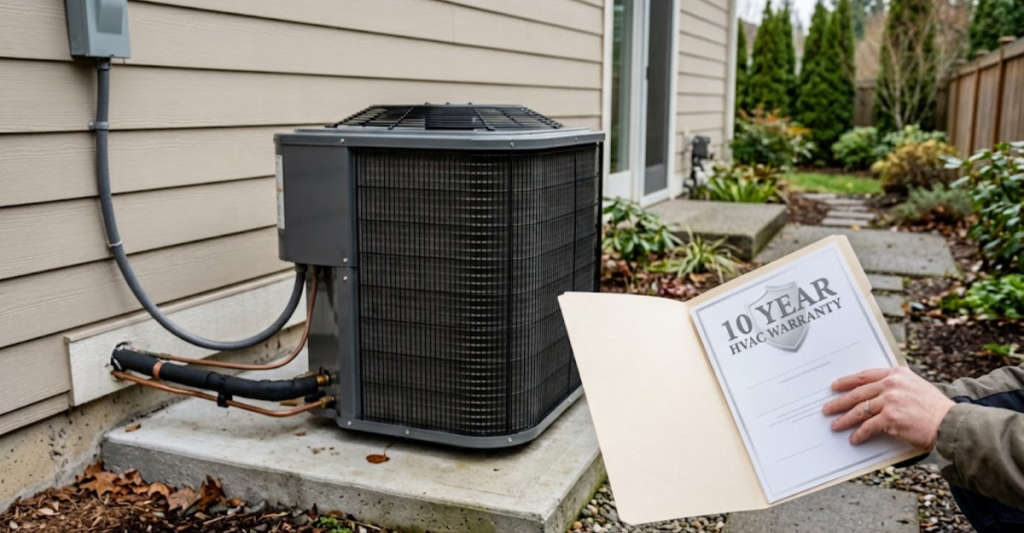
The outdoor unit holds the compressor and condenser, and it sits on a pad or wall bracket outside. The indoor air handler mounts on a wall, ceiling, or near the floor. A small conduit, usually about three inches wide, carries the refrigerant lines, wiring, and a drain between the two.
Need a hand with this at home? Air Pro Solutions provides ductless mini-split installation for homeowners across Auburn and South King County.
What Are the Different Types of Ductless Systems?
Not every home needs the same setup. Ductless systems come in two main configurations to match your space and budget.
Single-Zone Systems
A single-zone system uses one indoor unit paired with one outdoor unit. It’s ideal for cooling a single problem area, like a garage, attic, sunroom, or home addition.
This is the most affordable way to start. If one room runs hot while the rest of your home stays fine, a single-zone unit solves it without a big project.
Multi-Zone Systems
A multi-zone system connects several indoor units to one outdoor unit. You can usually run up to four or five indoor units, sometimes more, depending on the model.
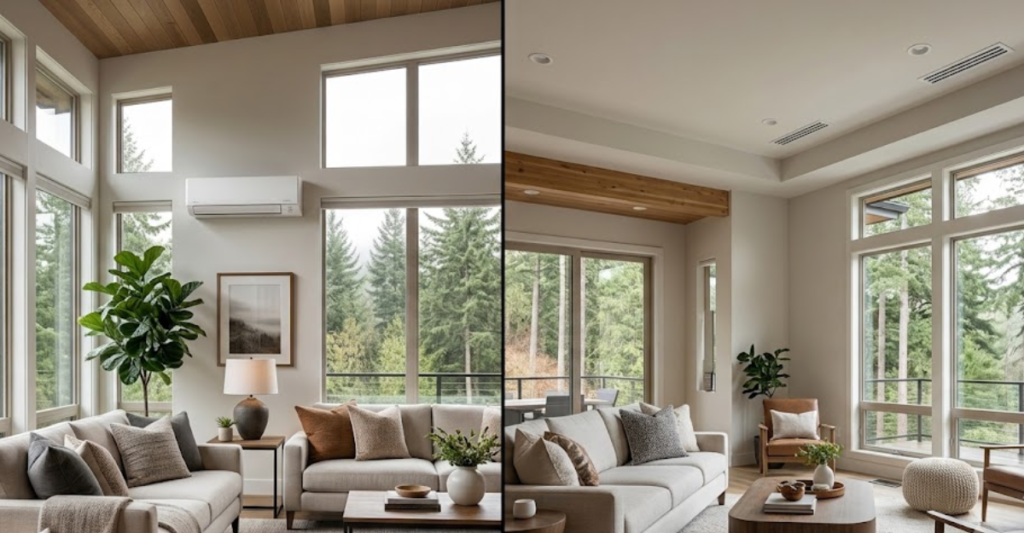
This setup works well for whole-home comfort, especially in older homes without ducts. Each unit runs on its own thermostat, so you can keep the bedroom cool and the office warmer at the same time. If you like the idea of room-by-room control, a zoned HVAC system is worth exploring.
What Are the Benefits of a Ductless AC System?
Homeowners across the Pacific Northwest choose ductless for good reasons. The advantages go beyond just skipping ductwork.
Lower Energy Bills
Ducts are a hidden source of waste. The U.S. Department of Energy notes that duct losses can account for more than 30% of energy use in a central forced-air system.
A ductless system avoids that loss entirely. Many models also use inverter compressors that adjust their speed to demand, which trims energy use even further. Over time, those savings add up on your monthly bill.
Quiet, Flexible Comfort
The noisiest parts sit outside, so indoor units run very quietly. Some operate as low as a soft whisper, which keeps bedrooms and offices peaceful.
Installation is flexible too. Air handlers can hang on a wall, tuck into a ceiling, or stand near the floor, so you can place them where they make the most sense. If you have an older property, the benefits of mini splits for older homes are especially clear, since you avoid major construction and drywall repair.
What Are the Downsides to Consider?
A ductless system is a strong option, but it isn’t perfect for everyone. It helps to know the trade-offs before you decide.
The upfront cost is often higher than a window unit or some central setups. You’re paying for efficient technology and professional installation, which pays off over the years but stings a little at first.
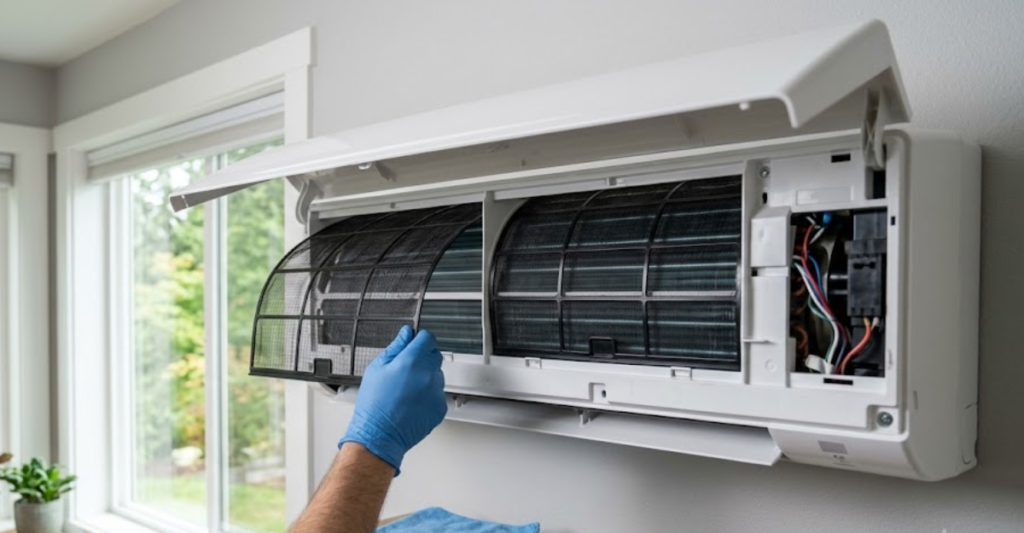
The indoor units are also visible on your walls or ceilings, which some homeowners don’t love. And each one needs its own filter cleaning to keep airflow strong. For a fuller breakdown, our guide on the pros and cons of mini split systems walks through both sides.
Is a Ductless AC System Right for Your Home?
Ductless makes the most sense in a few common situations. If any of these sound like your home, it’s worth a closer look.
You might be a good fit if you have an older Auburn home without ducts, or a room addition, garage, or sunroom that’s hard to cool. It also suits homeowners who want different temperatures in different rooms, or who want to stop wasting energy on unused spaces.
If your home already has working ducts, a central system might still be the simpler path. Comparing the two options side by side helps, and our ductless vs central AC guide lays out the differences clearly.
How Is a Ductless AC System Installed?
Installation is one of the biggest selling points. Because there’s no ductwork, the process is far less invasive than a central system.
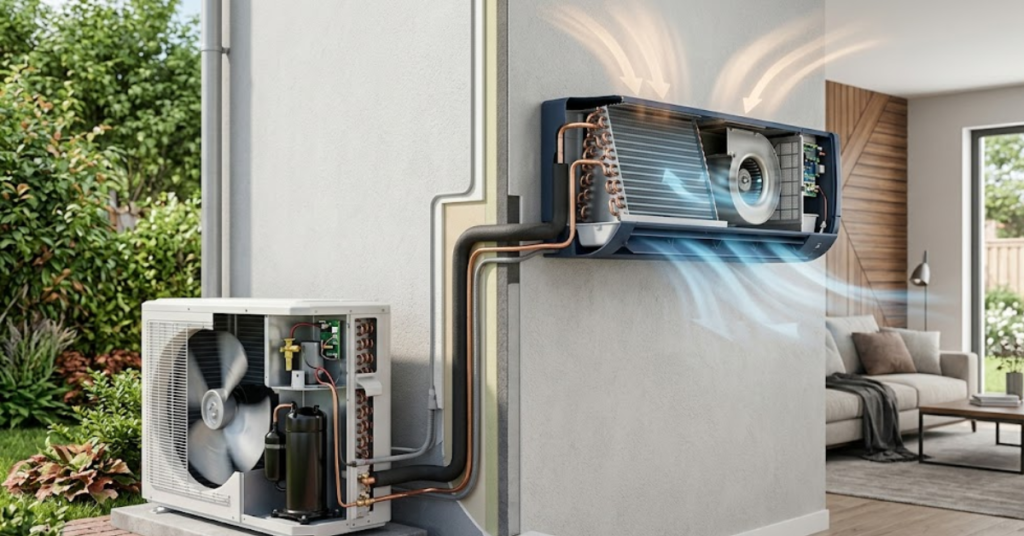
A technician mounts the indoor unit, places the outdoor unit, and drills a small hole to run the refrigerant lines, wiring, and drain. Many single-zone setups can be finished in a single day with minimal disruption to your home.
That said, this isn’t a DIY job. Refrigerant must be handled safely, the system needs correct sizing, and the connections have to be leak-free. A poorly sized or installed unit can short-cycle, waste energy, and wear out early. To see how the full process comes together, read more about how ductless mini split systems work.
Common Questions About Ductless AC Systems
A few questions come up again and again from homeowners weighing their options. Here are quick answers to the most common ones.
Can a ductless system heat my home too?
Yes, most modern ductless systems are heat pumps. They cool in summer and heat in winter, which makes them a practical year-round choice for Washington’s climate.
How long does a ductless AC system last?
With proper care and professional installation, a quality system can last 15 to 20 years. Regular filter cleaning and an annual tune-up help it reach that range.
How much maintenance does it need?
Maintenance is straightforward. Clean the reusable filters about once a month, and schedule a professional inspection once a year to keep it running efficiently.
Cooler Rooms Without the Ductwork Hassle
A ductless AC system gives you targeted, energy-efficient comfort without the cost and mess of installing ducts. It cools the rooms you actually use, runs quietly, and often heats your home too, all from a compact and flexible setup.
If you’re tired of a room that never feels right, or you’re adding space to an older Auburn home, ductless is worth a serious look. The right system depends on your home’s layout and your comfort goals, so a professional assessment makes all the difference. Reach out to the team at Air Pro Solutions to explore your options and find the setup that fits your home best.
Need ductless mini-split installation?
Air Pro Solutions handles ductless mini-split installation for homes across Auburn, Federal Way, Kent and the surrounding area. Our licensed technicians give honest recommendations and clear pricing before any work starts.
Call 253-397-7220 or request service online.
Air Pro Solutions, 1245 Auburn Way N #296, Auburn, WA 98092