Skip to content











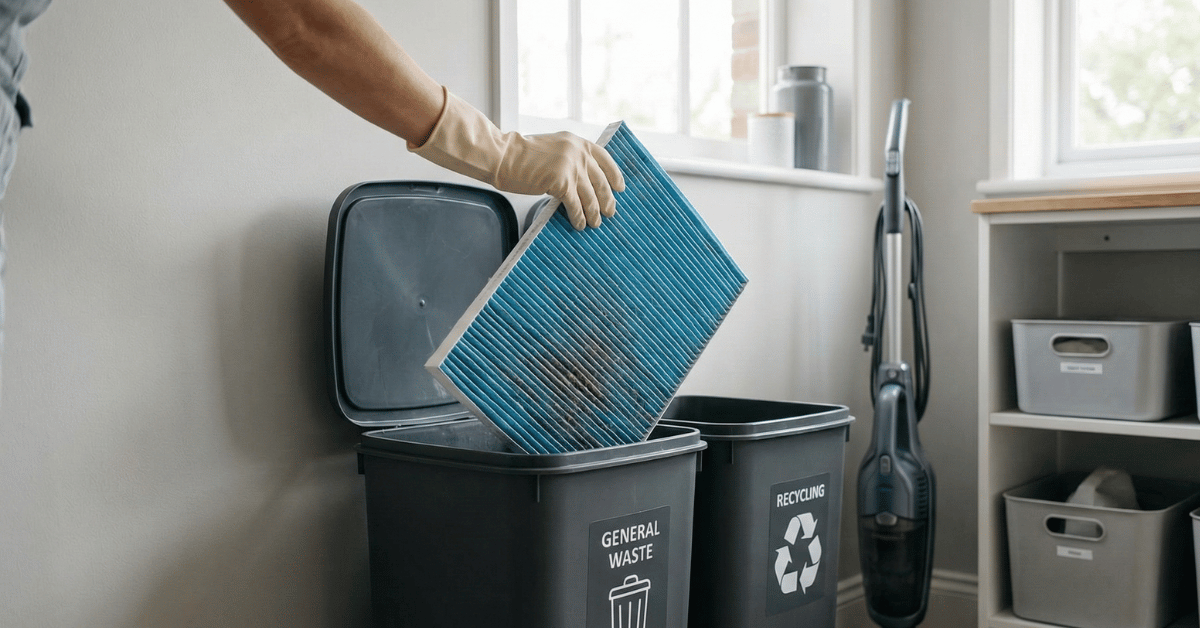
If you own a Blueair purifier in your Auburn, WA home, you’ve probably wondered about the right way to properly dispose of those filters once they’ve done their job. Unlike standard HVAC filters, Blueair filters require special attention when it’s time for replacement.
At Air Pro Solutions, we believe proper disposal is just as important as regular maintenance, cleaning, and repair for keeping your home’s air quality at its best.
This disposal guide walks you through everything you need to know about how to dispose of Blue Air filters safely and responsibly. We’ll cover the basics of what makes these filters different, when to replace the filter, and the proper disposal methods that work for Auburn residents.
Understanding Blueair Filters and Their Components
Blueair filters aren’t your typical paper air filters. These advanced filtration systems use a combination of materials including activated carbon and HEPA filters that trap everything from dust to volatile organic compounds. Most types of filters from Blueair are designed to deliver optimal air quality in your home or office.
The materials inside these filters make them incredibly effective at cleaning your indoor air quality, but they also complicate the disposal process. Unlike basic fiberglass filter options, you can’t just throw it away in your recycling center bin and call it a day. The mixed materials and trapped contaminants mean they need different handling based on the filter type.
Types of Blueair Filters
Different Blueair models use different air filter options:
- Blueair Blue Pure series filters combine particle and carbon filters in one unit
- Classic series filters often have separate particle and carbon filtration systems
- Some models use SmokeStop filters with extra activated carbon for odor control
- Cabin filters are designed specifically for smaller spaces
Each filter type has slightly different disposal considerations, but the general process remains similar across all models.
When Should You Replace Your Air Purifier Filter?
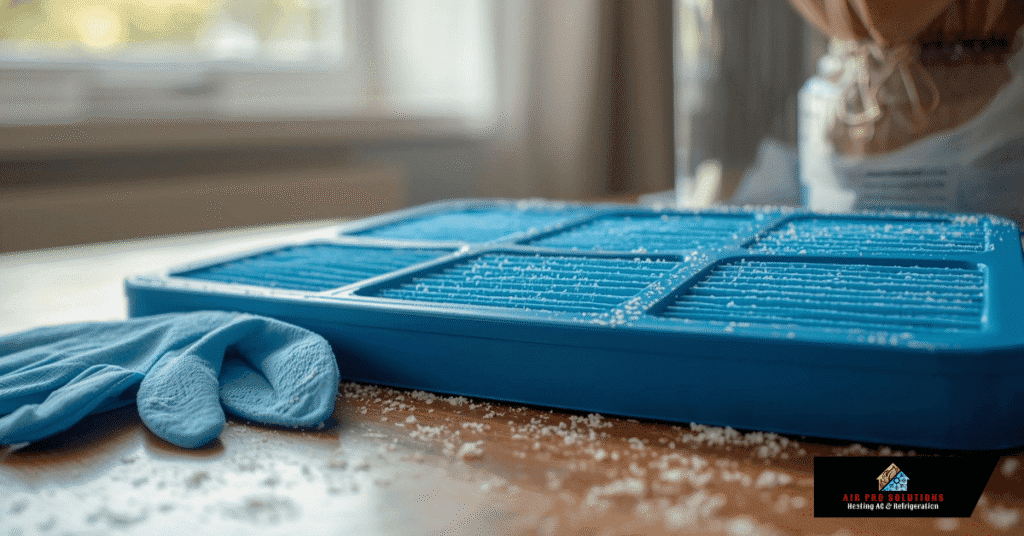
Most Blueair filters need replacing every six months with regular use. However, your specific timeline depends on how often you run your purifier and your home’s air quality conditions. Heavy use in a dusty environment might mean you replace the filter more frequently to maintain air quality in your home.
Your Blueair unit will typically alert you when it’s time for a new replacement filter. Many models have indicator lights that change color or flash when the dirty air filter reaches the end of its useful life.
Signs your dirty filter needs immediate replacement:
- Reduced airflow from your purifier affecting indoor air quality
- Unusual odors coming from the unit despite regular cleaning
- Visible dirt or discoloration on the filter material
- Your home feels dustier than usual despite running the purifier
At Air Pro Solutions, we see similar issues with HVAC systems during repair and installation when filters get neglected. Just like your furnace or AC needs clean filters, your air purifier can’t do its job with a spent filter.
Need a hand with this at home? Air Pro Solutions provides indoor air quality services for homeowners across South King County.
Step-by-Step Guide: How To Dispose Of Blue Air Filters
Getting rid of your old air filters properly takes just a few minutes. Follow these steps for safe and responsible disposal that protects both your home and the environment.
Step 1: Power Down and Remove the Filter
Always turn off and unplug your Blueair unit before opening it for cleaning or filter replacement. This simple safety step prevents any electrical issues and protects the motor during repair or maintenance work. Most Blueair models have easy-access filter compartments that open with a simple twist or pull.
Remove the old air filter carefully to avoid shaking loose dust and particles back into your room. If you’re sensitive to dust or allergens, consider wearing a simple dust mask during this process.
Step 2: Check with Your Local Recycling Options
Before you dispose of used air filters in the trash, it’s worth checking if recycling is possible. Contact Blueair’s customer service to ask about their take-back programs. Some manufacturers offer mail-in options to recycle air filters.
King County residents can check local resources for specific disposal guidelines:
- Ask your local recycling center if filters can be recycled
- Check if specialized facilities handle HEPA or electrostatic filters
- Inquire about filter recycling programs for eco-friendly disposal
- Research if checking with your local recycling center reveals MERV 13 or pleated filter acceptance
While most residential programs don’t accept these filters, some specialized facilities might offer air filter recycling services.
Step 3: Seal It Up Properly
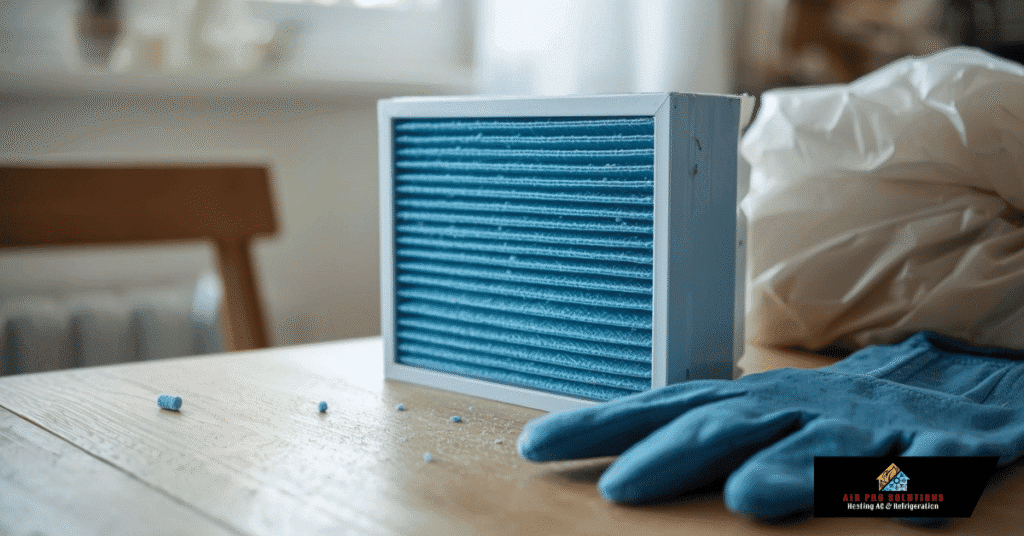
Once you’ve confirmed the used filters need disposal through regular garbage, seal them in a plastic bag. This containment step is important for proper disposal methods.
Why sealing matters for disposing of filters:
- Prevents dust and allergens from escaping back into your home
- Keeps contaminants trapped during transport to reduce landfill waste
- Makes handling easier for waste management workers
- Reduces the chance of tears or leaks in transit
A standard kitchen garbage bag works perfectly for this purpose. Just make sure it’s tied securely before you dispose of an air filter.
Step 4: Regular Trash Disposal
Place the sealed filter in your regular household waste bin. Auburn’s waste management system handles these filters as standard solid waste. They’ll end up in the landfill, which isn’t ideal for zero waste goals but remains the most practical option.
Schedule this disposal on your regular trash day to avoid having the used air filters sitting around. At Air Pro Solutions, we apply the same practical approach to our air conditioning repair, heating repair, and installation services.
Environmental Considerations and Eco-Friendly Options
The environmental impact of disposable filters is real, but don’t let that stop you from maintaining your air purifier. The health benefits of clean air quality outweigh the disposal concerns, especially for local families dealing with allergies or respiratory issues.
Note that reusable filter options and washable filters exist for some HVAC systems, though most Blueair models don’t offer this feature. Different air purifier brands may have recyclable alternatives, so checking with your local recycling center about future options makes sense.
Consider these practices to reduce the number of filters you use:
- Vacuum your pre-filter regularly if your model has one during cleaning
- Keep windows closed on high-pollen days to reduce filter load
- Address moisture issues that can shorten filter life and require early replacement
- Maintain your HVAC system through professional repair and installation to improve overall air quality
Common Mistakes to Avoid When You Dispose of Air
Don’t try washing or vacuuming your Blueair filter to extend its life. Unlike some reusable filter types or electrostatic filters, these are designed for single-use. Washing damages the HEPA media and removes the activated carbon’s effectiveness. The air filter is made for replacement, not cleaning.
Never toss these filters in your curbside recycling center without verification. Filters are made with mixed materials that contaminate the recycling process. This wastes the efforts you’ve made to recycle an air filter and other materials properly.
Delaying filter replacement creates problems:
- A clogged dirty filter reduces air cleaning effectiveness
- Your purifier motor works harder, using more electricity
- The unit’s lifespan potentially shortens without proper maintenance
- Indoor air quality suffers when filters often get neglected
The same principle applies to your HVAC system, which is why Air Pro Solutions emphasizes regular maintenance for furnace repair, heat pump installation, and other services.
Professional HVAC Care for Optimal Air Quality
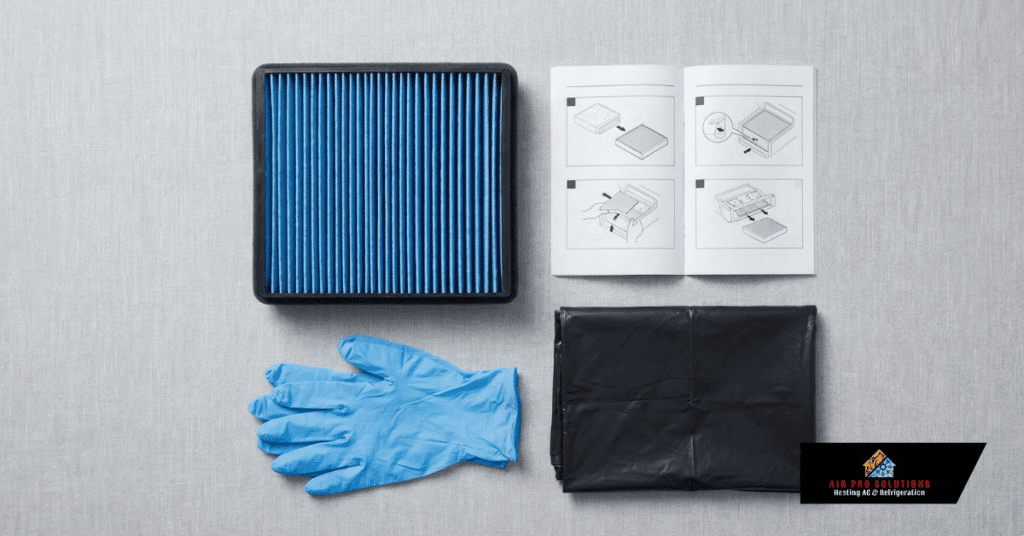
While air purifiers handle spot cleaning and filtration, your home’s HVAC system plays an equally important role in air quality in your home. Regular professional maintenance, repair, and installation keep everything running smoothly. Our certified techs at Air Pro Solutions provide comprehensive service including ductless mini split installs, professional AC installation, and emergency HVAC repair across South King County.
Clean air starts with well-maintained systems. When your heating and cooling equipment gets the attention it deserves through proper cleaning, repair, and installation, you’ll notice better air quality, lower energy bills, and fewer service calls.
Need indoor air quality services?
Air Pro Solutions handles indoor air quality services for homes across Federal Way, Kent and the surrounding area. Our licensed technicians give honest recommendations and clear pricing before any work starts.
Call 253-397-7220 or request service online.
Air Pro Solutions Heating, Cooling & Electrical, Auburn, WA 98092