Skip to content









You turn the heat on for the first time in October and something smells off. Maybe it’s dusty. Maybe it’s sharper than that. Either way, you’re standing in the hallway trying to decide whether to worry.
Some furnace odors are normal: burning dust at startup, a faint musty smell during the first few cycles, and the “new furnace” smell all usually fade quickly. Dangerous furnace odors include rotten eggs or sulfur, burning plastic or electrical smells, metallic or chemical odors, mustiness that lingers, and oil or fuel smells—signs you may need to shut the system down, leave the house, or call for help right away.
For homeowners in Auburn and nearby Washington communities, knowing the difference protects more than comfort. A bad furnace smell can point to a gas leak, electrical trouble, poor air quality, or even a carbon monoxide risk, while a harmless startup odor usually clears on its own within the hour.
This guide walks through the odors that are normal, the ones that signal real danger, how to respond to each one, what carbon monoxide risk to watch for, how preventive maintenance helps, and when to call a professional HVAC technician. By the end, you’ll be able to identify what your nose is picking up without second-guessing yourself.
Which Furnace Odors Are Completely Normal?
A few smells show up every heating season and mean nothing is wrong. They share one trait: they fade.
Burning Dust at the Start of the Season
When you turn on your furnace after months of disuse, accumulated dust can gather dust on internal components, the heat exchanger, and inside the ducts before burning off. The first time it fires up, that burning dust smell produces a distinct singed, slightly smoky odor.
This is the most common furnace smell there is, and it should clear within a few hours at most. If the smell persists, it needs attention. According to Trane, the fix is simply to wait it out and start the season with a clean filter.

A Faint Musty Smell on the First Few Cycles
Damp Pacific Northwest summers leave moisture sitting in ductwork. In damp environments inside the hvac system, that moisture can also lead to mold growth. When warm air pushes through those damp sections, you get a mild musty odor for a day or two.
If it disappears once the system has circulated dry air for a while, there’s nothing to fix. If a persistent musty smell lingers past a few days or grows stronger, mold spores may be moving through the home’s air supply and affecting indoor air quality, which is a different problem covered below.
The New Furnace Smell
A brand-new system carries manufacturing oils and protective coatings on its components, so the first few times it runs, you may notice a faint metallic odor or a scent reminiscent of warm metal, along with burning oil, plastic, or dust as those coatings burn off.
This should fade after a handful of heating cycles while the system is operating properly. Anything that persists past the first week is worth a call to your installer.
Which Furnace Smells Are Actually Dangerous?
These odors are not part of normal operation. Among the most common furnace odors, these are the ones that point to a specific failure, and a few require you to leave the house.
Rotten Eggs or Sulfur
This is the one that matters most. If you smell rotten eggs or smell gas, treat it as an emergency. Natural gas has no odor of its own, so gas companies add a sulfur based chemical called mercaptan to create a scent reminiscent of rotten eggs as a warning sign.
If you notice it, leave your home immediately. Puget Sound Energy instructs customers to turn off the furnace only if you can do so safely, then call the gas company or 911 from outside. Do not flip light switches, use the garage door opener, or do anything that could create a spark on your way out. Have your furnace and gas lines inspected professionally before using the system again.
Burning Plastic, Rubber, or Electrical
A sharp, acrid smell like melting plastic or hot wiring is an electrical burning smell that usually means something inside the furnace is overheating. Common causes include a failing blower motor, frayed wiring, overheating components, or damaged wire insulation melting off electrical parts.
This kind of electrical burning odor is a strange smell coming from your furnace that gets worse, not better, the longer the system runs. Because it can become a fire hazard, turn off the furnace immediately and call an HVAC technician or HVAC professional rather than waiting to see if it clears. Carrier notes that continuing to run a faulty furnace risks damage to major components like the heat exchanger.
Metallic or Chemical Odors
A hot metal or formaldehyde-like chemical smell can point to a cracked heat exchanger, and a metallic smell may also signal overheating components or trouble with the furnace’s heat exchanger. That’s a serious problem, because a compromised heat exchanger is one of the pathways for combustion gases to enter your living space, and combustion problems or venting issues can allow carbon monoxide buildup.
Turn the system off and have it inspected before running it again, including ruling out venting issues such as a blocked chimney. Our guide on how to tell if carbon monoxide is leaking from your furnace covers the warning signs that accompany this failure.
Persistent Musty or Moldy Smells
When a musty odor sticks around for days instead of clearing, you’re likely dealing with mold or mildew growing in the ductwork, on the evaporator coil, or in a clogged condensate drain. Clogged drain lines can also leave standing water that supports mold growth.
This won’t cause an explosion, but it does circulate spores through every room in the house, and dirty filters restrict airflow, which can trap moisture and worsen musty smells. That matters for anyone with allergies or breathing issues, and these strange odors can also hurt indoor air quality. Our ductwork and air quality services address both the mold and the moisture source that caused it.
Oil or Fuel Odors
If you have an oil furnace, oil odors can point to a burner or tank issue, an incomplete burn, or a heat exchanger problem. A faint whiff right after startup can be normal, though a clogged furnace filter can sometimes contribute to the smell, and a persistent odor may indicate an oil leak.
Check for visible oil around the equipment, shut the system down, and have it inspected before further use, since this is one of the other smells that should be checked if it does not clear.
Need a hand with this at home? Air Pro Solutions provides furnace repair in Auburn for homeowners across South King County.
The Danger You Cannot Smell at All
Here’s the part that catches people off guard. Carbon monoxide is completely odorless, colorless, and tasteless.
The rotten egg smell warns you about natural gas, which is a fire and explosion risk. It does nothing to warn you about carbon monoxide, which is a byproduct of incomplete combustion and a separate threat entirely. These are two different dangers, and only one of them has a scent attached.
That’s why working carbon monoxide detectors on every floor are not optional in a home with any fuel-burning appliance. If anyone in the household develops headaches, dizziness, nausea, or flu-like symptoms that improve when they leave the house, get everyone outside and call for help. Our article on fixing a carbon monoxide leak in a furnace explains what happens next.
How Do You Tell a Normal Smell From a Dangerous One?
When you’re unsure in the moment, three questions help you sort out common furnace odors and other burning smells quickly.
Is it fading or intensifying? Normal burn-off smells weaken as the system runs. Dangerous ones hold steady or get stronger.
How long has it lasted? Dust burn-off resolves in under an hour. Anything running for days deserves attention.
What does it actually smell like? Strange smells should be judged by type, intensity, and whether they fade. Burning dust smells like scorched paper. Electrical problems smell like hot plastic or melting wire. Gas smells like rotten eggs, and there is no version of that smell which is normal.
If two of those three answers point the wrong direction, shut the system off and call. Guessing wrong on a gas or electrical smell is not a risk worth taking to save a service call.

What Should You Do When You Smell Something?
Your response depends on the odor, so here’s the short version for each situation:
- Rotten eggs or sulfur: Leave the house immediately without touching switches, then call your gas utility or 911 from outside
- Burning plastic or electrical: Shut the furnace off at the thermostat and call for repair before restarting it
- Metallic or chemical: Turn the system off, ventilate the home, and schedule an inspection
- Persistent musty: Check and replace the filter, then arrange a duct and coil inspection
- Burning dust at startup: Do nothing, let it run, and confirm your filter is clean
One rule applies across all of them: do not repeatedly restart a system that smells wrong to test whether it has cleared. That makes overheating and electrical problems worse.
How to Prevent Furnace Odors Before Heating Season
Most odor problems trace back to two things, dust and neglected airflow, and both are preventable with routine maintenance before smells start.
A restricted filter is the quiet culprit behind more smells than people realize. Clogged filters starve the system of air, which causes components to overheat and produce a burning smell, and a damp dirty filter can grow the mold behind musty odors. Dirty filters also restrict airflow enough to keep the system from operating properly. Our article on what happens if your air filter is clogged covers the full chain reaction.
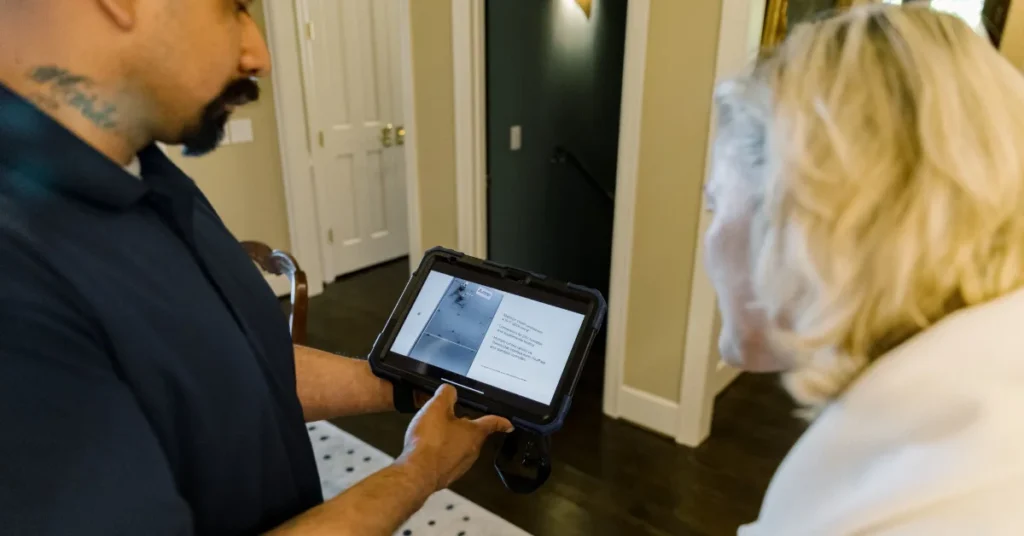
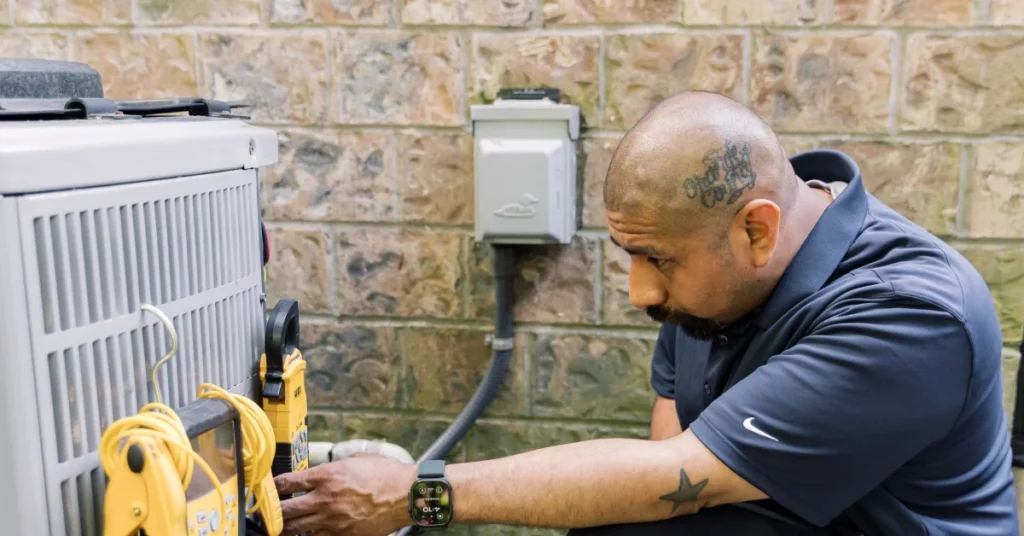
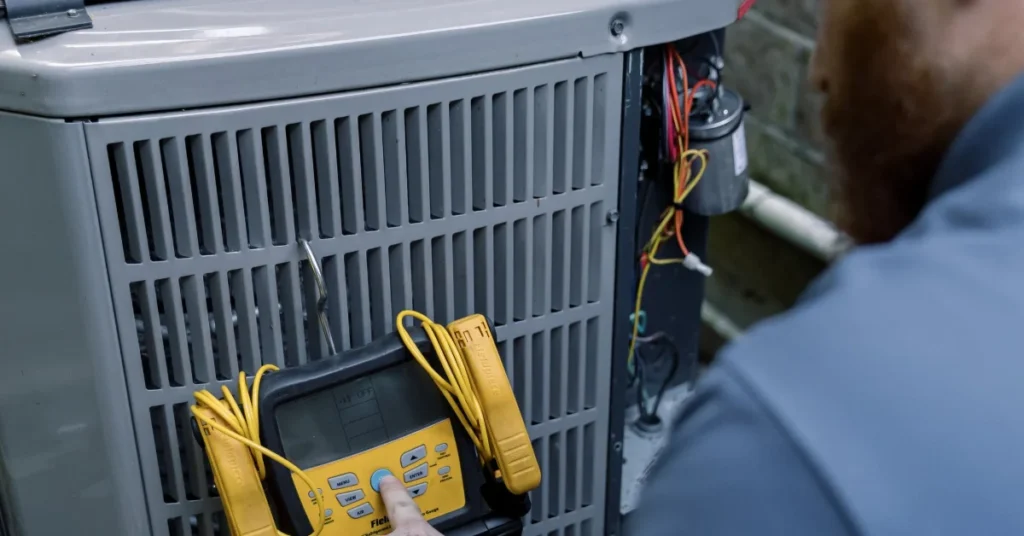
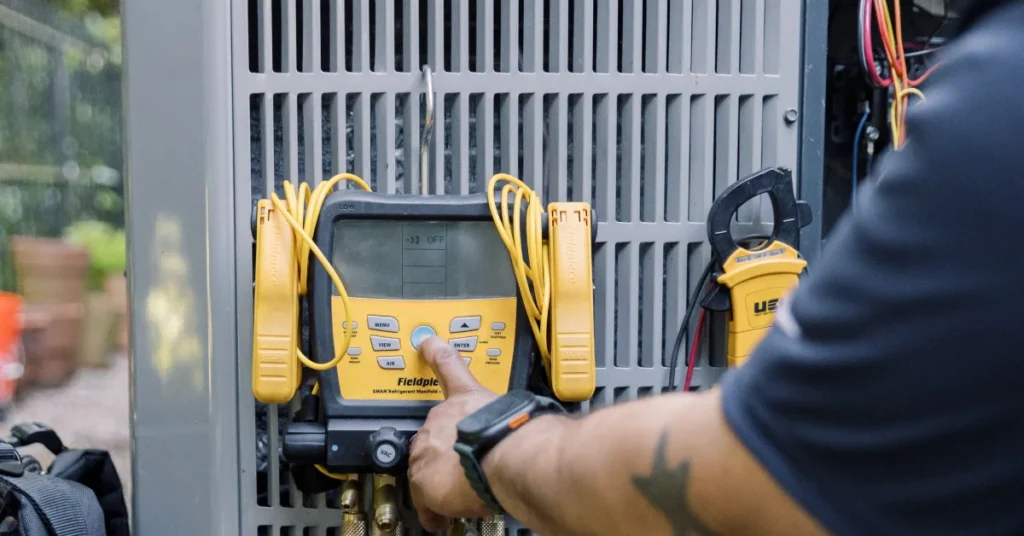
The other habit is scheduling a fall inspection before you need heat. The EPA recommends annual professional inspections for fuel-burning appliances, and routine service includes checking internal components such as wiring, burners, the blower area, and condensate-related moisture points. A technician clears dust from the burners and heat exchanger, checks the wiring, tests combustion, and inspects the heat exchanger for cracks. That means the first cold morning arrives without a mystery smell attached, and any real fault is caught before it becomes an emergency. Our overview of warning signs your furnace needs repair covers the other symptoms worth watching alongside odors.
Trusting Your Nose This Heating Season
Most furnace smells are harmless dust burning off after a quiet summer, and they clear on their own. The ones that matter announce themselves clearly: rotten eggs means leave, burning plastic means shut it down, and anything that gets stronger over time means call.
Pair that awareness with working carbon monoxide detectors and a fall tune-up, and you’ve covered the realistic risks. Nobody should have to guess whether their heating system is safe.
If something smells wrong in your home and you’d rather have a professional confirm it than wonder, reach out to Air Pro Solutions. We’ll inspect the system, identify the source, and tell you plainly what needs to happen.
Need furnace repair in Auburn?
Air Pro Solutions handles furnace repair in Auburn for homes across Federal Way, Kent and the surrounding area. Our licensed technicians give honest recommendations and clear pricing before any work starts.
Call 253-397-7220 or request service online.
Air Pro Solutions Heating, Cooling & Electrical, Auburn, WA 98092