Skip to content









It is the middle of a hot Auburn afternoon, your AC just quit, and you are stuck wondering if this can wait until Monday. Or maybe it is a cold night, the furnace went silent, and the house is getting chilly fast.
Knowing when to call for emergency HVAC repair can save your comfort, protect your equipment, and in some cases keep your family safe. Not every problem is a true emergency, but some signs should never wait.
This guide walks you through the warning signs that demand an urgent call, the issues that can wait for a regular appointment, and the safe steps to take while help is on the way.
What Counts as an HVAC Emergency?
An HVAC emergency is any situation that threatens your health and safety or risks serious damage to your equipment. If a problem puts people at risk or is actively harming the system, it qualifies as urgent.
The simple test is this. Ask whether waiting could hurt someone or turn a small repair into a major one. If the answer is yes, it is time to make the call.
Safety First, Comfort Second
Some issues are about comfort, like a warm room or a noisy fan. Others involve gas, electricity, or fire risk, and those move straight to the top of the list.

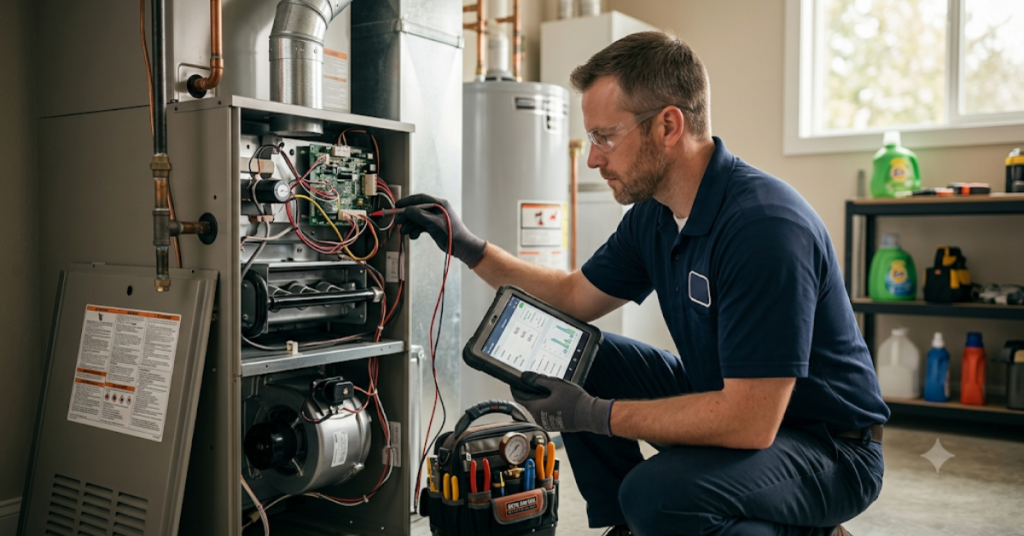
When safety is in question, it is always better to shut the system down and reach out to a professional. You can explore Air Pro Solutions HVAC system diagnostics to understand how a technician pinpoints the cause.
Signs You Need Emergency HVAC Repair Right Away
Certain warning signs should prompt an immediate call. These point to safety hazards or fast moving damage that gets worse the longer you wait.
Burning Smells, Smoke, or Sparks
A burning or electrical odor often signals overheating wiring or a failing part. Smoke or sparks raise the risk of fire and should never be ignored.
If you notice any of these, turn the system off at the thermostat and the breaker, then call for emergency HVAC repair. This is one of the clearest signals that the unit needs urgent attention.
A Suspected Gas or Carbon Monoxide Leak
A rotten egg smell can point to a gas leak, while carbon monoxide is colorless and odorless. Carbon monoxide can cause nausea, dizziness, and confusion, and high exposure is life threatening.
If your carbon monoxide alarm sounds or you suspect a leak, leave the home and call for help from a safe location. Learn how to tell if carbon monoxide is leaking so you can act quickly.
Complete Loss of Heating or Cooling in Extreme Weather
A total breakdown during a heatwave or a deep cold snap is a real emergency. Extreme indoor temperatures put infants, older adults, and anyone with health concerns at serious risk.
If the house is heating up fast or growing dangerously cold, do not wait it out. Our AC repair team and heating service experts respond quickly across the Auburn and Seattle area.
Repeated Breaker Trips
If your HVAC system keeps tripping the circuit breaker, stop resetting it. Repeated trips usually mean an electrical fault that can lead to overheating or fire.
Reset a tripped breaker only once. If it trips again, shut the power off at the panel and call a professional rather than forcing the system to run.
Water Leaks or Visible Flooding
Pooling water around your indoor unit signals a clogged drain line, failing coil, or other internal issue. Left alone, leaks ruin insulation, corrode parts, and feed mold growth in your ducts.
Catch it early to avoid a bigger and more expensive repair. Our guide on why water leaks from your AC unit explains the common causes.
What About Strange Noises?
Sound is one of the trickiest signals to read. Some noises are urgent, while others can wait a day or two for a scheduled visit.

Noises That Need Fast Attention
Loud banging, grinding, or screeching often points to a serious mechanical problem, like a failing compressor or fan motor. A loud hissing sound can mean a refrigerant leak, which can damage the system and affect air quality.
These sounds tend to get worse fast. If your system suddenly turns loud and harsh, it is wise to shut it down and call. Trust your instincts, since a unit that sounds unstable usually is.
Noises That Can Usually Wait
A mild rattle or occasional buzz, while the system still runs normally, is often a loose part or minor wear. These deserve attention but rarely require an after hours call.
A soft hiss from a furnace can also be minor, though it is worth checking. Our article on what a hissing furnace means helps you tell the difference.
HVAC Problems That Can Usually Wait
Knowing what is not an emergency saves you from paying extra for after hours service. These issues still need care, but they are generally safe to schedule during regular hours.
Minor Comfort and Efficiency Issues
Uneven temperatures from room to room, slightly weak airflow, or a system that cools less efficiently than before are usually not urgent. They point to maintenance needs rather than safety hazards.
Thermostat glitches and programming mistakes also fall into this group. A quick settings check or a routine tune up often clears them up.
Slowly Rising Energy Bills
A gradual climb in your energy bill, with no sudden drop in performance, usually means an efficiency issue. This is a sign to book maintenance, not an emergency call.
Catching these smaller problems early keeps them from growing. Reviewing the 10 signs your air conditioner needs repair can help you plan ahead.
What to Do While You Wait for the Technician
Taking the right steps before help arrives can stop the damage from spreading and keep your home safer.
Shut Down the System Safely
For most emergencies, switch the system off at the thermostat first. If you smell burning or notice electrical trouble, cut the power at the breaker panel too.
For a gas issue, locate the gas shut off valve and turn it perpendicular to the pipe. If you ever feel unsafe, leave the home and call from outside.

Keep Your Home Comfortable
In summer, close curtains on the sunny side of the house to block heat. In winter, layer up and seal off rooms you are not using to hold warmth.
These small steps buy you time and comfort until a technician arrives. Then reach out through our contact page for prompt help.
Frequently Asked Questions
Is a complete AC failure always an emergency?
Not always, but during extreme heat it usually is. If indoor temperatures climb fast and put vulnerable family members at risk, treat it as urgent and call right away.
Should I try to fix an HVAC emergency myself?
Stick to safe steps like turning off the system or resetting a breaker once. Gas, refrigerant, and electrical repairs are dangerous and should be left to a licensed technician.
How do I avoid emergencies in the first place?
Regular maintenance is the best prevention. Seasonal tune ups catch small problems early, before they turn into costly after hours breakdowns.
Staying Safe and Comfortable When It Matters Most
A true HVAC emergency is stressful, but knowing the warning signs helps you act with confidence. When you spot burning smells, gas leaks, electrical trouble, water damage, or a breakdown in extreme weather, do not wait.
Shut the system down, take the safe steps above, and call a trusted professional. Air Pro Solutions is ready to respond across Auburn, Seattle, and the surrounding communities. Reach out anytime your comfort and safety are on the line, and we will help restore both.