Skip to content










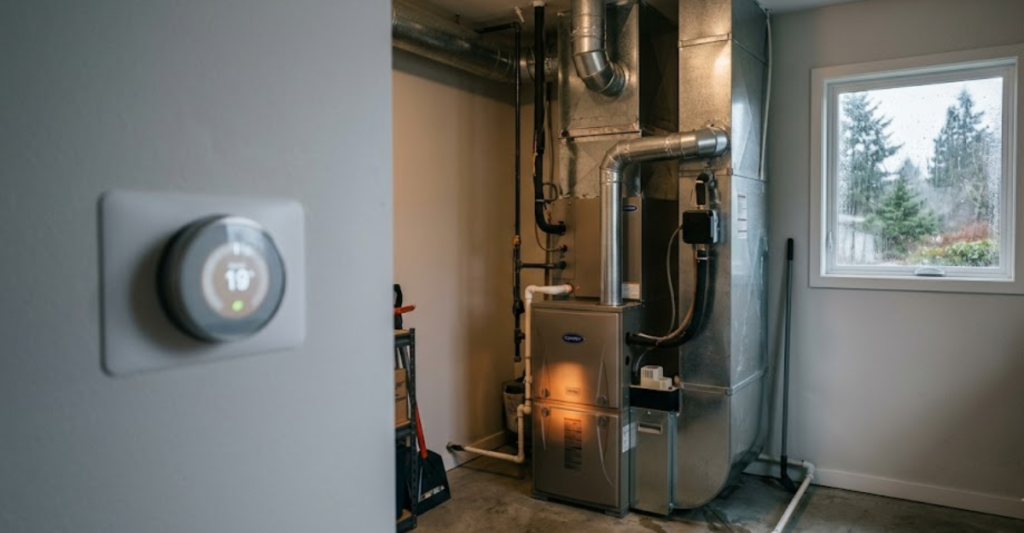
If you’ve ever booked an HVAC tune-up and watched the technician walk through your home with a clipboard, you may have wondered exactly what they were checking. The honest answer is that a real tune-up is far more than a quick visual scan and a filter change. It’s a structured, multi-point inspection that touches almost every working part of your heating and cooling system.
Knowing what should be on that checklist helps you tell the difference between a thorough service visit and a rushed once-over. In this guide, you’ll learn exactly what an HVAC tune up includes, how long it takes, and how often you should schedule one to keep your system running well.
Why an HVAC Tune-Up Matters
Your heating and cooling system runs thousands of hours every year. Without regular care, dirt, wear, and small electrical issues quietly chip away at performance.
A neglected system can lose up to 25 percent of its efficiency over time, which shows up directly on your energy bills. A tune-up restores performance, catches minor problems before they become expensive failures, and helps your equipment reach (or exceed) its expected lifespan. For a deeper look at the long-term benefits, see our guide on how maintenance extends HVAC system lifespan.
What’s Actually on the Tune-Up Checklist?
A complete tune-up covers four main areas: the cooling side, the heating side, the electrical and safety system, and overall airflow. The exact tasks shift by season, but here’s what should be included in a standard visit.
Cooling System Inspection
For the AC or heat pump cooling cycle, your technician should:
- Check refrigerant levels and pressure
- Inspect the evaporator and condenser coils for dirt buildup
- Clean coils if needed (our article on whether cleaning AC coils really helps explains why this step matters)
- Clear the condensate drain line and pan
- Measure temperature drop across the evaporator
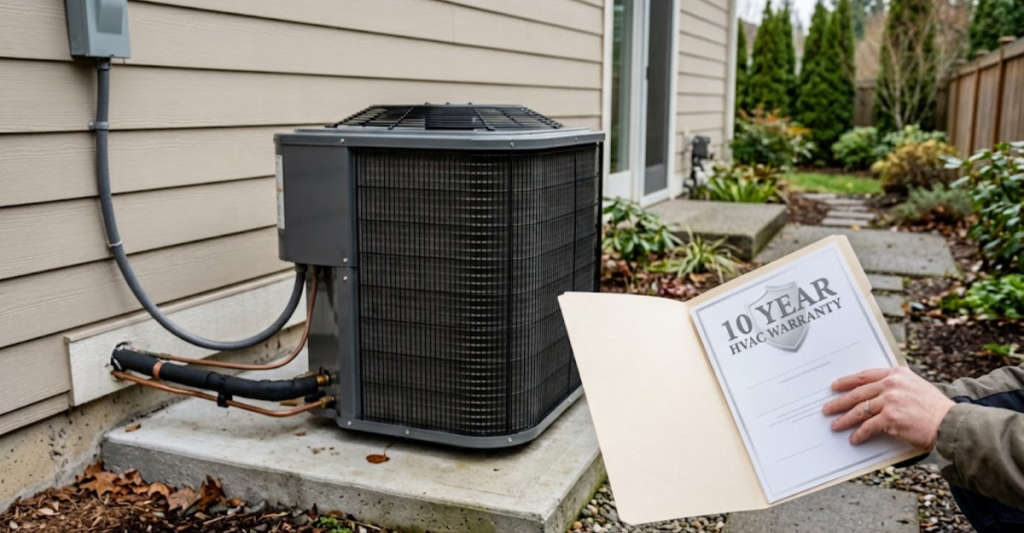
- Inspect the outdoor unit for debris, corrosion, or fan blade damage

Heating System Inspection
On the furnace or heat pump heating side, the checklist should cover:
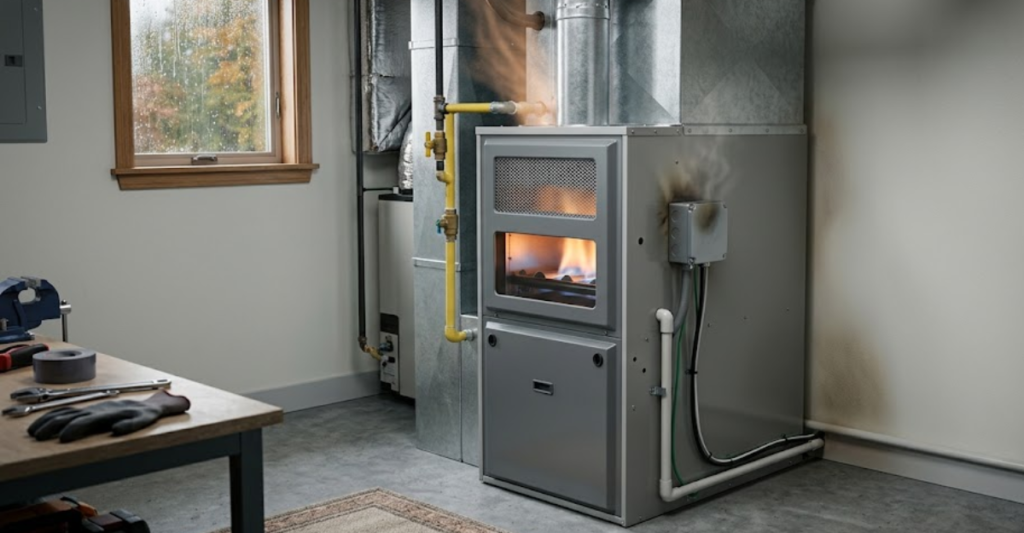
- Inspecting the heat exchanger for cracks or heat stress
- Testing ignition components and burner operation
- Checking gas pressure (for gas furnaces)
- Verifying flue and venting integrity
- Testing for carbon monoxide leaks
- Cleaning the blower assembly and lubricating motors where applicable
Electrical and Safety Checks
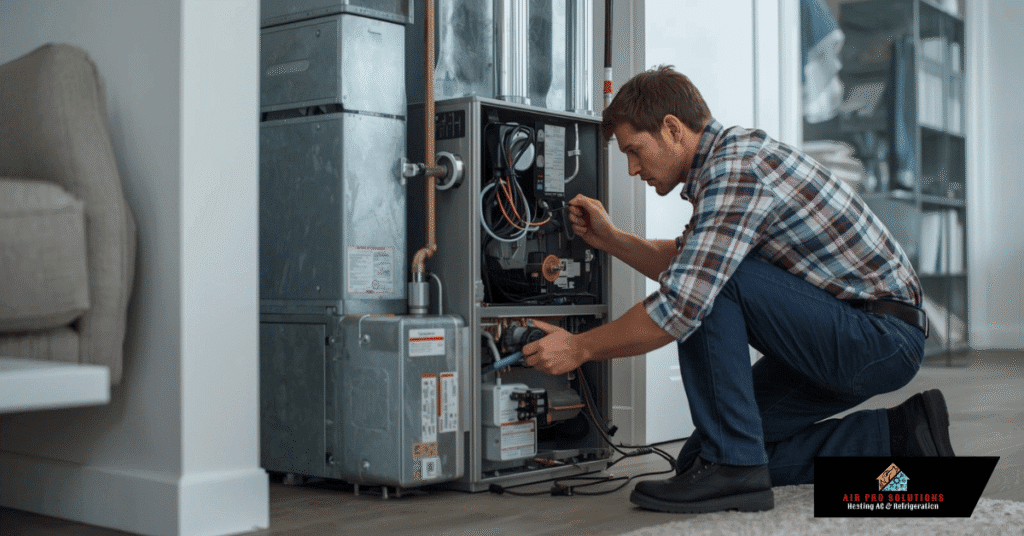
The electrical side often catches the most hidden problems. A qualified technician should:
- Tighten all electrical connections
- Measure voltage and amperage on motors
- Test capacitors and contactors
- Inspect wiring for wear or damage
- Test safety controls and emergency shut-off switches
- Calibrate the thermostat and verify accurate temperature readings
Airflow and Filtration
Airflow is where comfort and efficiency meet. Expect your technician to:
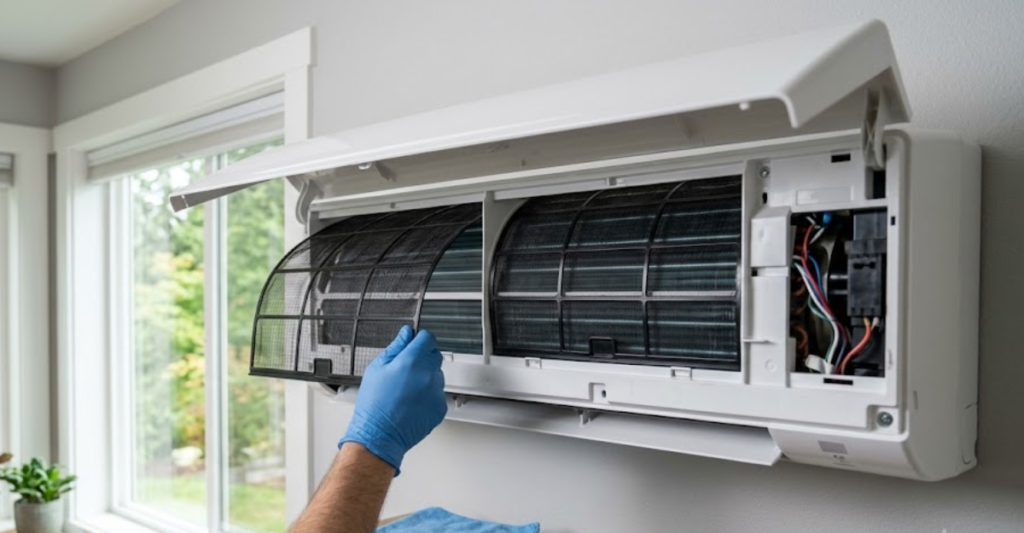
- Inspect and replace the air filter if needed (here’s our guide on how often to change your filter)
- Check ductwork for leaks, blockages, or disconnected sections
- Measure static pressure across the system
- Inspect supply and return registers for proper airflow
Need a hand with this at home? Air Pro Solutions provides seasonal HVAC tune-ups for homeowners across Auburn and South King County.
How Long Does an HVAC Tune-Up Take?
A proper tune-up usually takes 60 to 90 minutes for a single system. Dual systems, older equipment, or visits that uncover issues can run longer. If a technician finishes in 20 minutes and hands you an invoice, you didn’t get a real tune-up. You got a sales call.
Is There a Difference Between Spring and Fall Tune-Ups?
Yes, and it’s a meaningful one. Spring tune-ups focus on getting your cooling system ready for summer, with priority on refrigerant charge, condenser cleaning, and airflow verification.
Fall tune-ups shift attention to combustion safety, heat exchanger integrity, and venting on the heating side. Both visits share the electrical and airflow checks. If you’d like a localized breakdown of what each visit covers, our Auburn-specific HVAC tune-up guide goes into the regional details.
How Often Should You Get an HVAC Tune-Up?
Most manufacturers and industry groups, including the EPA’s Energy Star program, recommend twice a year. One visit in spring before cooling season, one in fall before heating season.
If you have a heat pump that runs year-round for both heating and cooling, twice-yearly service is even more important since the system never gets an offseason rest. Homes with pets, dusty environments, or older equipment may benefit from more frequent filter changes between visits.

Signs You Need a Tune-Up Sooner
Sometimes you can’t wait for the next scheduled visit. Reach out for service if you notice:
- Higher energy bills with no change in usage
- Uneven temperatures from room to room
- Strange noises, smells, or short-cycling
- Weak airflow at vents
- Visible dust buildup around registers
- The system struggling to reach the thermostat setting
These signs often point to issues that a tune-up can resolve before they grow into full repairs or replacements.
What Should the Technician Leave You With?
A good tune-up ends with a written report. You should receive a checklist of what was inspected, any measurements taken (refrigerant pressure, temperature drop, electrical readings), and clear recommendations for any follow-up work.
Ask about the technician’s credentials too. NATE certification and EPA Section 608 certification are standard markers of a qualified HVAC professional. A reputable contractor will share license and certification details without hesitation.
Booking the Right Tune-Up for Your Home
An HVAC tune-up done right pays for itself through lower bills, fewer breakdowns, and a longer-lasting system. Done poorly, it’s just an upsell visit with a sticker on your unit. Knowing the full checklist puts you in control of the conversation and helps you spot whether a service is worth what you’re paying.
If your system is overdue for a seasonal check or you want a clear picture of how it’s running, our certified technicians can walk through every item on this checklist with you. Reach out through our HVAC services page to schedule a tune-up that actually covers what it should.
Need seasonal HVAC tune-ups?
Air Pro Solutions handles seasonal HVAC tune-ups for homes across Auburn, Federal Way, Kent and the surrounding area. Our licensed technicians give honest recommendations and clear pricing before any work starts.
Call 253-397-7220 or request service online.
Air Pro Solutions, 1245 Auburn Way N #296, Auburn, WA 98092