Skip to content













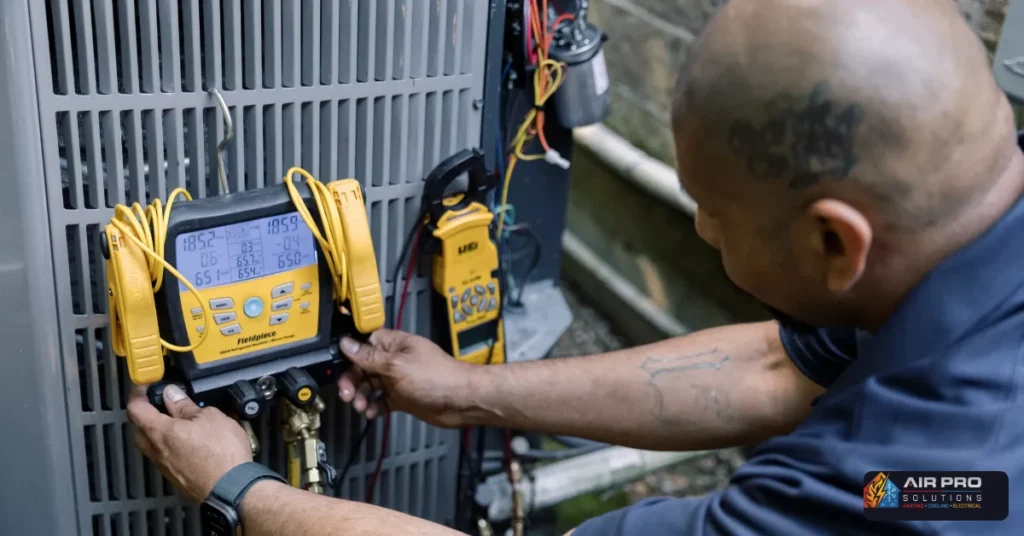
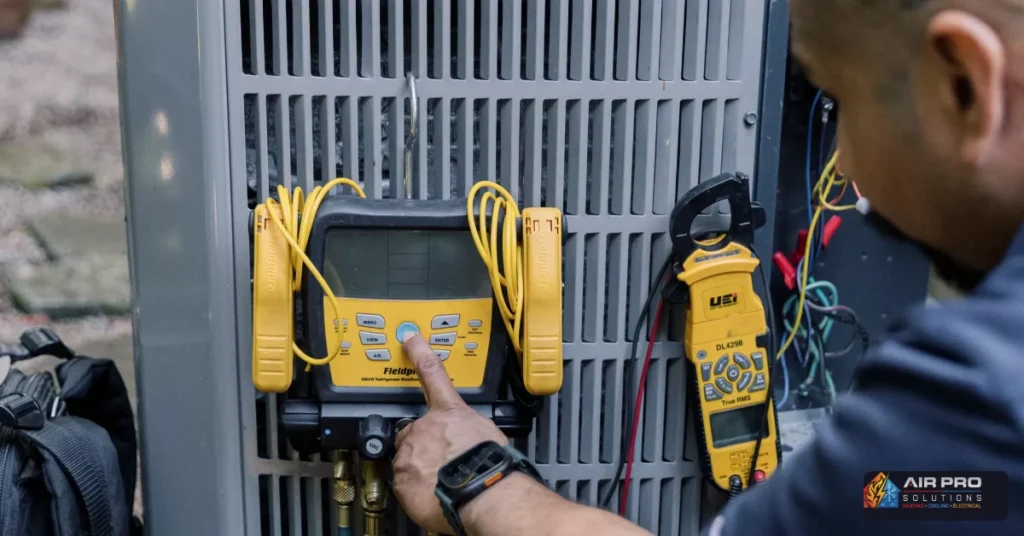
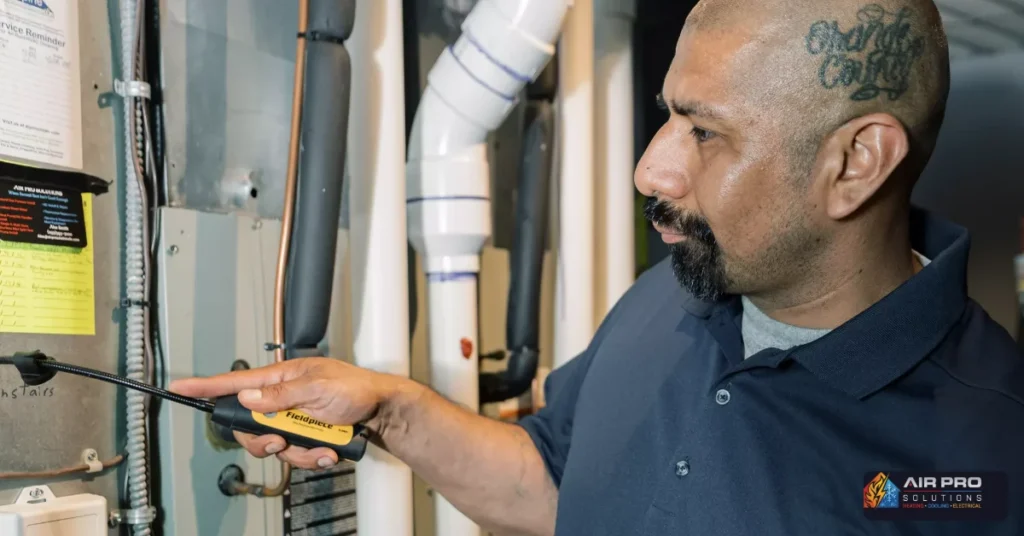
Furnace blower motor replacement cost for most homes is $300 to $900, with a national average near $560 for parts and labor. Variable-speed motors cost more than basic ones. Before you pay for a new motor, have a technician confirm the motor is the real problem. Our Auburn furnace repair team tests the capacitor, wiring and control board first.
Key Takeaways
- Typical cost: most homeowners pay $300 to $900, and the national average sits around $560.
- Motor type matters most: a basic single-speed motor costs far less than a variable-speed ECM motor.
- Check the cheap parts first: a failed capacitor or loose wire can mimic a dead motor.
- Warranty can cut the bill: if your furnace is still under its parts warranty, you may only pay labor.
- Age decides the big call: on a furnace near the end of its life, the motor money may be better spent on a new system.

What Does a Furnace Blower Motor Do?
The blower motor spins the fan inside your furnace. That fan pushes warm air through your ducts and into every room. In summer, the same blower moves cool air across your AC coil, so one motor serves both systems.
When the blower stops, the burners may still light. But the heat has nowhere to go. Most furnaces then shut down on a safety limit to protect the heat exchanger, which is the metal chamber that keeps flame and exhaust away from your air.
Why blower problems are so common in the Puget Sound area
Our winters are long and damp, not brutally cold. That means furnaces here run for many months in a row, often in long, steady cycles. A blower motor in Auburn or Kent may log more running hours than one in a colder but shorter-season climate. Dust, pet hair and a neglected filter add strain on top of that.
According to the ENERGY STAR maintenance checklist, dirt and neglect are the top causes of heating and cooling failure. The same checklist notes that airflow problems can cut system efficiency by up to 15 percent. A struggling blower is one of the most common airflow problems we find.
Furnace Blower Motor Replacement Cost by Motor Type
The Angi blower motor guide puts the average replacement at about $560, with most homeowners paying $300 to $900. Where your job lands in that range depends mostly on the type of motor your furnace uses.
| Motor type | How it works | Relative cost | Where you usually find it |
|---|---|---|---|
| Single-speed (PSC) | Runs at one fixed speed. Uses a capacitor to start and run. | Lowest | Older and builder-grade furnaces |
| Multi-speed (PSC) | Has a few set speeds, chosen by wiring taps. | Low to mid | Many standard furnaces from the last 20 years |
| Constant-torque ECM | Electronic motor with preset airflow steps. | Mid to high | Newer standard-efficiency furnaces |
| Variable-speed ECM | Electronic motor that adjusts airflow smoothly. The motor and its control module are often replaced together. | Highest | High-efficiency and two-stage furnaces |
ECM stands for electronically commutated motor. It uses less electricity than an older PSC motor, but the parts cost more. If your furnace came with an ECM motor, it usually needs an ECM replacement to keep the airflow settings the system was designed around.
What Changes the Price of a Blower Motor Replacement?
Two homes with the same furnace can get different quotes. Here is what moves the number.
The motor and its parts
- OEM vs universal motor: a factory (OEM) motor matches the original exactly. A universal motor can cost less, but it must match the horsepower, voltage, rotation and shaft size.
- Capacitor: PSC motors use a run capacitor. It is cheap and is usually replaced at the same time.
- Blower wheel: if the fan wheel is cracked, rusted or caked with dirt, it may need cleaning or replacing too.
- Control module: on variable-speed ECM motors, the electronic module is a large share of the cost.
Labor and access
Most blower swaps take one to three hours. A furnace in a tight attic or crawl space takes longer than one in an open garage. Some models need the whole blower assembly pulled out, which adds time.
Warranty status
Many furnaces carry a 10-year parts warranty when registered. If yours is covered, the motor itself may cost nothing. You would still pay for diagnosis and labor. Keep your install paperwork handy before you call.

Signs Your Furnace Blower Motor Is Failing
Blower motors rarely die without warning. Watch for these signs:
- Weak airflow at the vents, even with a clean filter
- Humming from the furnace, but the fan does not spin
- Squealing or grinding, which can point to worn bearings
- A burning or hot electrical smell near the furnace
- The furnace lights, then shuts off after a few minutes
- The fan runs nonstop and will not shut off
- Higher power bills with no change in how you use your heat
A humming motor that will not spin is often a bad capacitor, not a dead motor. That repair costs much less. This is why testing comes before any quote.
If you notice a burning smell, turn the furnace off at the thermostat and call for service. Do not keep resetting it.
What you can safely check yourself
- Check the thermostat. Make sure it is set to Heat and the fan is set to Auto.
- Replace the air filter. A clogged filter can overheat the motor and trip a safety limit.
- Check the breaker and furnace switch. The furnace switch often looks like a light switch on or near the unit.
- Confirm the blower door is closed tight. Many furnaces will not run the blower if the door safety switch is open.
- Listen at the furnace. Note whether you hear a hum, a click or nothing at all. Share this with your technician.
Stop there. Testing capacitors and motor windings means working near live voltage and stored charge. That part belongs to a licensed technician.
Should You Replace the Blower Motor or the Whole Furnace?
A new blower motor is a smart repair on a healthy furnace. It is a weaker bet on an old one. We walk homeowners through the same questions every time.
| Situation | Usually makes sense |
|---|---|
| Furnace under 10 years old, no other problems | Replace the motor |
| Furnace under parts warranty | Replace the motor and claim the warranty |
| Furnace 15 or more years old with past repairs | Get a replacement quote before deciding |
| Cracked heat exchanger or rust found during the visit | Plan for a new furnace |
| Repair cost near half the price of a new furnace | Compare both options side by side |
Our guide on the furnace repair or replace decision explains the 50 percent rule in more detail. If you are leaning toward a new system, see our furnace replacement cost guide for Washington homes.
Not sure which side of the line you are on? Call (253) 397-7220 and ask us to quote both the motor and a replacement during the same visit. You will see both numbers before you spend anything.
How to Make a New Blower Motor Last
A blower motor can run for many years when it gets clean air and a light load. These habits help:
- Change the filter on schedule. Every one to three months for most 1-inch filters. Homes with pets often need monthly changes.
- Do not choose a filter that is too restrictive. A very high MERV filter in a 1-inch slot can choke airflow on some systems.
- Keep supply and return vents open. Closing many vents raises duct pressure and makes the motor work harder.
- Book a yearly tune-up. A technician cleans the blower wheel, checks amp draw and tests the capacitor before it fails.
Hire a licensed contractor
Blower work involves line voltage and, on gas furnaces, safety controls. In Washington, you can check any contractor’s license and bond on the L&I contractor lookup tool before you book.
Furnace Blower Motor Replacement Cost FAQs
How much is it to replace a motor on a furnace?
Most homeowners pay $300 to $900 to replace a furnace blower motor, including parts and labor. The national average is about $560. Variable-speed ECM motors cost more because the motor and its electronic control module are more expensive. Your exact price depends on the motor type, access and warranty status.
Can I replace a blower motor myself?
It is possible, but we do not recommend it for most homeowners. The job involves line voltage, a capacitor that can hold a charge, and matching the motor’s speed settings to your system. A wrong match can overheat the furnace or freeze the AC coil in summer.
How long does a blower motor last in a furnace?
A well-maintained blower motor often lasts 10 to 20 years. Clean filters, open vents and yearly tune-ups push it toward the longer end. Dirty filters, blocked returns and constant fan use shorten its life. Bearing noise and weak airflow are early signs it is wearing out.
What is the most expensive part to fix on a furnace?
The heat exchanger is usually the most expensive furnace repair. On many older furnaces, a cracked heat exchanger costs so much to replace that a new furnace makes more sense. Control boards and variable-speed blower motors are next on the list.
Should a 25 year old furnace be replaced?
In most cases, yes. A 25-year-old furnace is past the typical lifespan. Putting a new blower motor in it often just moves the next failure to a different part. Get a replacement quote and compare it with the repair before you decide.
Get Your Blower Motor Tested Before You Pay for One
A weak or silent blower does not always mean a new motor. Sometimes it is a $20 part. Call Air Pro Solutions Heating, Cooling & Electrical at (253) 397-7220 and ask for a blower diagnosis. You will talk to Efer or Alec, the owners, not a call center. We will test the capacitor, wiring and motor, then give you a clear price for the repair and, if it makes sense, a replacement option to compare. We are open Monday to Friday, 7:30 AM to 8 PM, and serve Auburn, Kent, Federal Way furnace service customers, and nearby King and Pierce County. You can also request service online.