







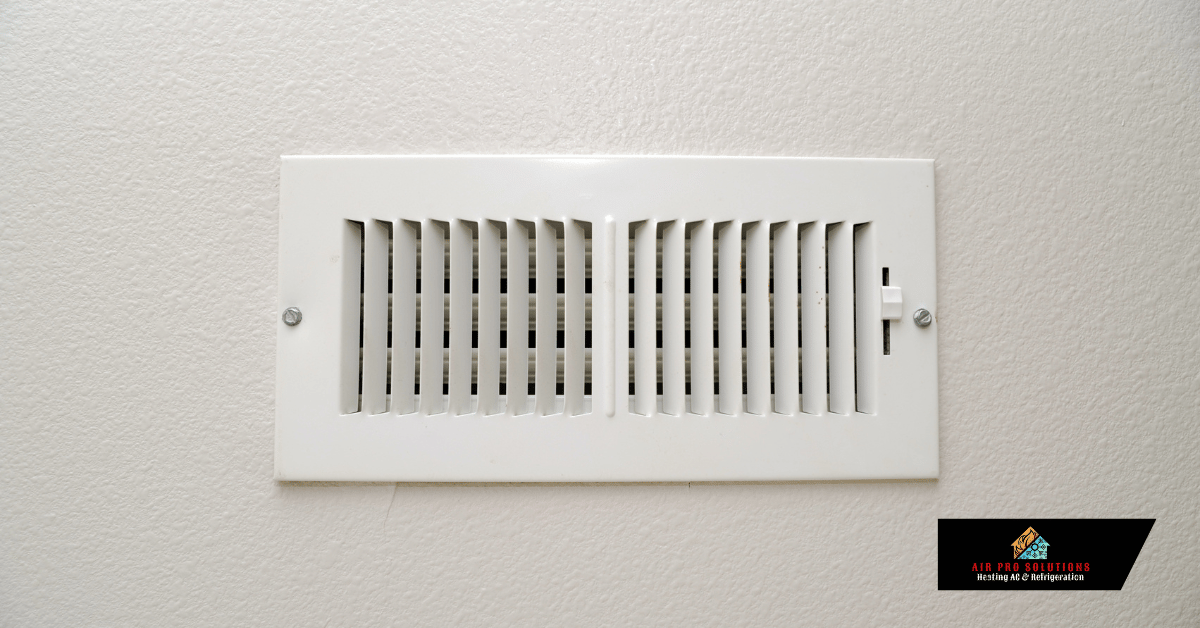
Your air conditioner is running, but your home still feels warm. The outdoor unit sounds fine, and the thermostat is set correctly. Before you call for emergency service, there’s one simple thing you should check first: your furnace filter. Many homeowners don’t realize that their furnace filter directly impacts how well their air conditioning performs. In fact, a clogged or dirty filter is one of the most common reasons an AC system struggles to cool a home properly.
If you’ve been dealing with weak airflow, uneven temperatures, or an AC that runs constantly without cooling, the solution might be simpler than you think. Understanding how your furnace filter affect air conditioning can help you avoid costly repairs and keep your home comfortable all summer long.
How Are Furnace Filters and Air Conditioning Connected?
Whether you have a central heating and air conditioning system or separate units, they typically share the same air handler. The air handler is where your filter sits, and it processes air for both heating and cooling. This means the same filter that protects your furnace in winter also serves your air conditioner in summer. Air flows through this shared system regardless of whether you’re heating or cooling your home.
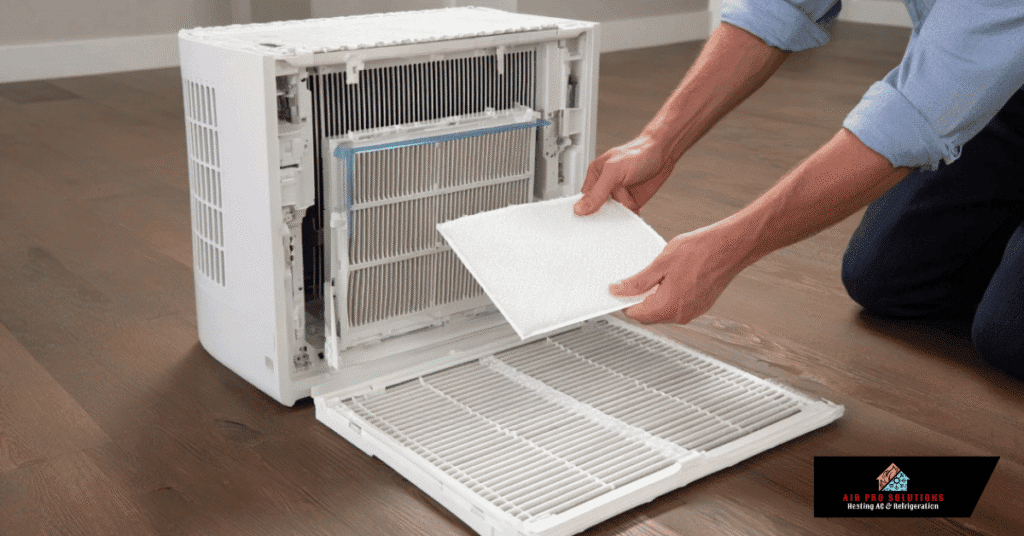
When that filter becomes clogged with dust, pet dander, pollen, and other debris, it restricts the amount of air that can pass through. Your blower fan has to work harder to pull air into the system. This extra strain doesn’t just affect efficiency. It directly impacts how well your air conditioner can cool your living space. A clogged air filter creates a chain reaction of problems that can leave you sweating on the hottest days of the year.
Can a Dirty Furnace Filter Cause Your AC Not to Cool?
Yes, a dirty furnace filter can absolutely cause your AC to blow warm air or fail to cool your home effectively. The connection comes down to airflow and how your evaporator coil functions. Your air conditioner’s evaporator coil contains refrigerant that absorbs heat from the air passing over it. When airflow is restricted by a dirty filter, there isn’t enough warm air reaching the coil to complete the heat exchange process properly.
Without adequate airflow, the evaporator coil gets too cold. Moisture in the air condenses on the coil and eventually freezes. Once ice starts forming, it creates a barrier that prevents your system from absorbing any heat at all. This is why many homeowners notice their AC blowing room-temperature or even warm air when the filter has been neglected for too long. The frozen coil can’t do its job, and running the system in this condition can cause serious damage to the compressor.
According to the U.S. Department of Energy, a clogged filter can increase energy consumption by 5 to 15 percent. Your system works overtime trying to compensate for the restricted airflow, driving up your utility bills while delivering less comfort. The longer you wait to address the problem, the more strain you put on expensive components.
Does furnace filter affect air conditioning: The Warning Signs
Recognizing the symptoms of a furnace filter airflow problem early can save you from bigger headaches down the road. Here are the most common warning signs that your filter may be hurting your air conditioning performance:
- Weak airflow from vents: If the air coming from your registers feels weaker than usual, restricted airflow from a dirty filter is often the cause.
- Uneven cooling or hot spots: Some rooms feel comfortable while others stay warm. This happens when your system can’t push enough conditioned air throughout the home.
- Higher energy bills: A sudden spike in cooling costs without a change in usage patterns often points to reduced system efficiency from a clogged filter.
- Ice buildup on indoor components: Visible frost or ice on the refrigerant lines or near the air handler indicates the evaporator coil may be freezing due to poor airflow.
- Increased dust around your home: When a filter is too dirty to trap particles effectively, dust accumulates on surfaces near vents and throughout your living space.
- AC runs constantly without reaching set temperature: Your system struggles to satisfy the thermostat because it can’t move enough cool air into your rooms.
How Often Should You Replace Your Furnace Filter?
The general guideline is to replace standard 1-inch filters every 30 to 90 days. However, this timeframe varies based on your household conditions and the type of filter you use. Thicker filters with more surface area, such as 4-inch or 5-inch media filters, can often last 6 to 12 months before needing replacement. Checking the manufacturer’s recommendations for your specific filter is always a good starting point. You can learn more about proper furnace filter replacement schedules to keep your system running efficiently.
Several factors may require you to change your filter more frequently. Homes with pets typically need filter changes every 30 to 60 days because pet hair and dander accumulate quickly. If anyone in your household has allergies or respiratory conditions, more frequent changes help maintain better indoor air quality. During peak cooling season in the Pacific Northwest, your system runs more often, pulling more air and particles through the filter. Checking it monthly during summer is a smart habit for Auburn homeowners.
A simple way to check if your filter needs replacing is the light test. Hold the filter up to a light source. If you can’t see light passing through, it’s time for a new one. You can also visually inspect for gray discoloration, bent frames, or visible debris buildup. When in doubt, replacing it early is better than waiting too long and risking damage to your system.
What to Do If Your AC Stops Cooling
If you notice your AC not cooling because of a potential filter issue, start with a quick inspection. Turn off your system and locate the filter, which is typically found in the air handler or near the return air duct. Remove the filter and examine its condition. If it looks gray, clogged, or shows visible debris buildup, replace it immediately with a properly sized filter that matches your system’s requirements. You can also follow a step-by-step guide on how to clean your HVAC filter if you have a reusable type.
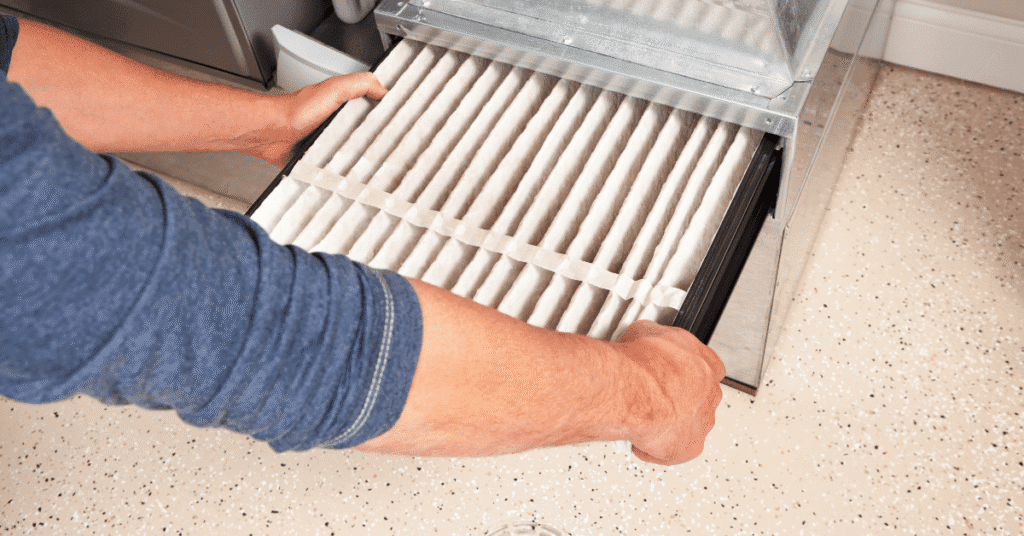
If you see ice on your indoor unit or refrigerant lines, turn the system off completely and let it thaw. This process can take several hours. You can speed it up by switching the thermostat to fan-only mode, which circulates warm air over the frozen coil without running the cooling cycle. Once everything has thawed and you’ve installed a fresh filter, turn the system back on and monitor its performance.
Sometimes the problem goes beyond a dirty filter. If you’ve replaced the filter and your AC still isn’t cooling properly, there may be other issues at play. Low refrigerant levels, a malfunctioning blower motor, dirty evaporator coils, or ductwork problems can all cause similar symptoms. These situations call for professional diagnosis. Scheduling an HVAC tune-up can help identify hidden issues before they lead to more expensive repairs.
Keep Your Home Cool With Simple Maintenance
Your furnace filter plays a bigger role in air conditioning performance than most homeowners realize. A clean filter ensures proper airflow, protects your evaporator coil from freezing, and helps your system run efficiently all summer long. Making filter checks part of your monthly routine is one of the easiest ways to prevent cooling problems and avoid unnecessary repair costs. Understanding the top reasons HVAC systems fail can help you stay ahead of potential issues.
If you’ve checked your filter and your air conditioner still isn’t keeping up with the heat, it may be time for a professional inspection. Our team at Air Pro Solutions is here to help Auburn homeowners stay comfortable year-round. Reach out to schedule a system check and get your cooling back on track.