Skip to content





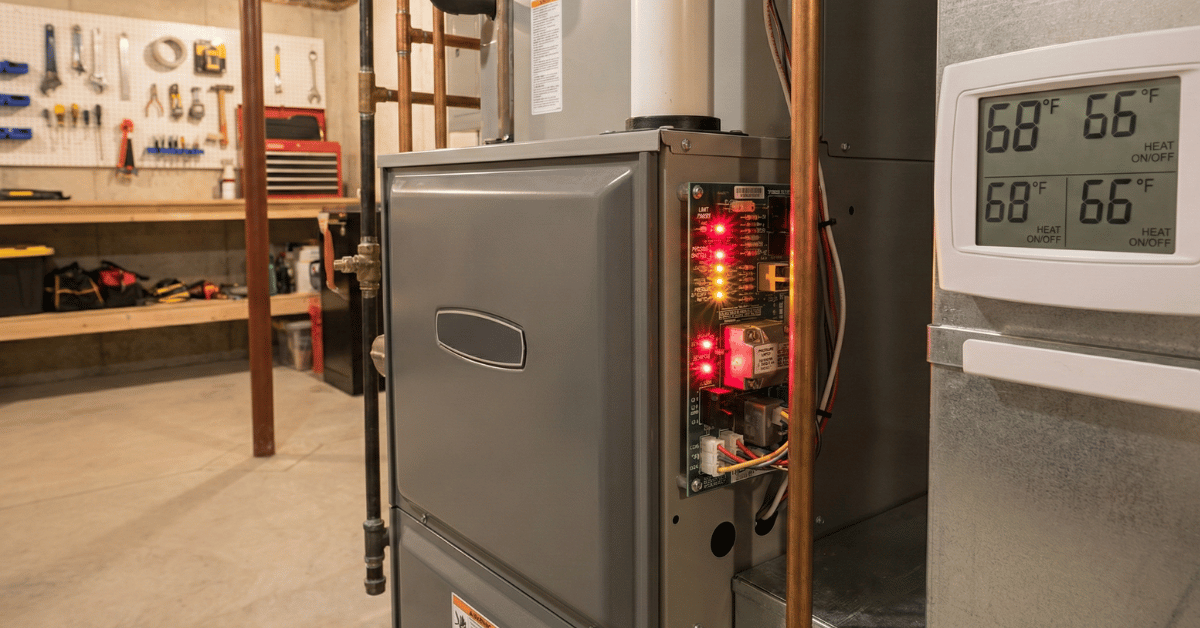
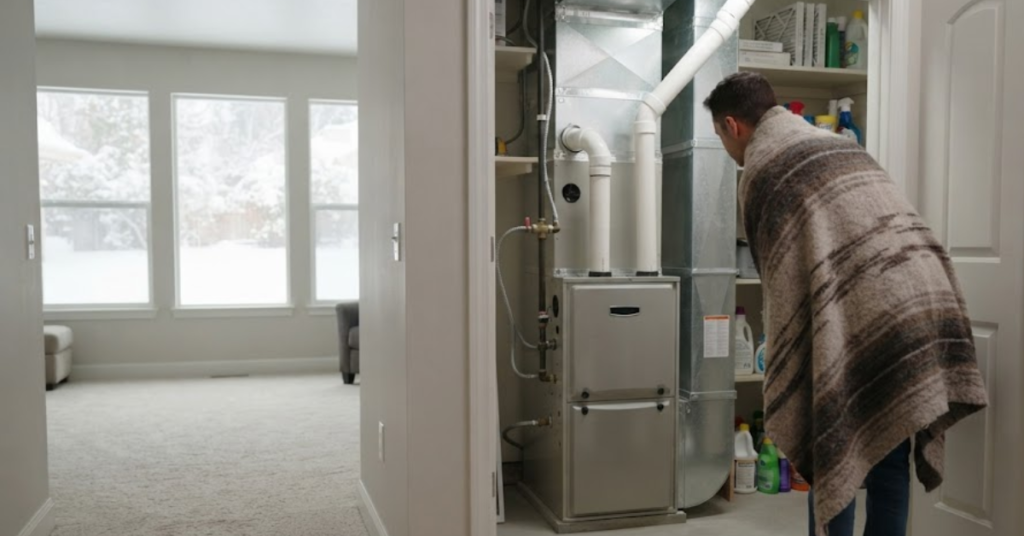
Few things are more frustrating than hearing your furnace kick on, run for a minute or two, then shut off again. A few minutes later, it starts back up and repeats the same pattern. This constant cycling disrupts your comfort and leaves you wondering if something is seriously wrong with your heating system.
If your furnace keep turning on and off without properly heating your home, you’re likely dealing with a problem called short cycling. This issue is more than just an annoyance. It can drive up your energy bills, put unnecessary strain on your system, and even create safety concerns if left unaddressed. Understanding what causes furnace short cycling can help you determine whether you can handle it yourself or need to call for professional furnace repair.
What Is Furnace Short Cycling?
Furnace short cycling occurs when your heating system shuts down before completing a full heating cycle. Instead of running long enough to reach your thermostat’s set temperature, the furnace stops prematurely and then restarts shortly after. This on-and-off pattern repeats throughout the day, preventing your home from staying consistently warm.
A properly functioning furnace typically runs for 7 to 15 minutes per cycle before shutting off. During cold weather, your system might cycle three to eight times per hour, which is considered normal. However, if your heater is turning on and off repeatedly in intervals of less than five minutes, or cycling far more frequently than usual, something is interfering with its operation.
Short cycling matters because the startup phase is the most energy-intensive part of your furnace’s operation. Each time the system fires up, it consumes a surge of energy. When this happens dozens of times per day instead of running steady, efficient cycles, your utility bills climb and your equipment wears out faster.
Why Does My Furnace Keep Turning On and Off?
Heating system short cycling can stem from several different issues. Some are simple problems you can address yourself, while others require a trained technician to diagnose and repair. Here are the most common causes:
Dirty Air Filter Blocking Airflow
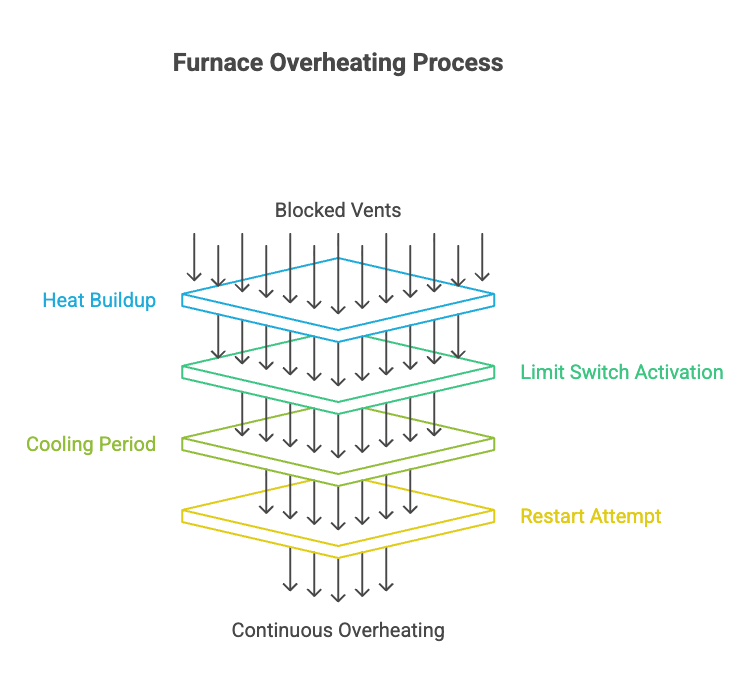
A clogged air filter is the leading cause of furnace short cycling. When dust and debris build up on the filter, airflow becomes restricted. Without adequate airflow, your furnace cannot release heat properly, causing the heat exchanger to overheat. This triggers a safety mechanism called the high-limit switch, which shuts the system down to prevent damage.
Once the furnace cools down, it attempts to restart, only to overheat and shut off again. This cycle continues until the underlying airflow problem is resolved. If you haven’t checked your filter recently, a clogged air filter could be the culprit behind your furnace cycling on and off.
Thermostat Problems
Your thermostat acts as the communication hub between you and your furnace. When it malfunctions or is poorly positioned, it can send incorrect signals that cause short cycling. Common thermostat-related issues include:
- Dead or weak batteries causing erratic readings
- Faulty wiring sending inconsistent signals to the furnace
- Poor placement near heat sources, direct sunlight, or exterior walls
- Calibration issues that misread the actual room temperature
If your thermostat is located too close to a heat register or in direct sunlight, it may sense warmth before the rest of your home has heated up. This causes the furnace to shut off prematurely, leaving other rooms cold.
Blocked Vents or Overheating Issues
Even with a clean filter, your furnace can overheat if vents and registers throughout your home are blocked. Furniture placed over floor vents, closed registers in unused rooms, or buildup inside ductwork can all restrict airflow and trap heat inside the system.
When internal temperatures rise too high, the limit switch activates to protect your furnace from damage. The system shuts down, cools off, and tries again. If the airflow restriction remains, the overheating cycle continues.
Dirty Flame Sensor
The flame sensor is a safety device that detects whether your furnace burners are properly lit. If it senses a flame, natural gas continues to flow. If it doesn’t detect a flame, it shuts off the gas valve to prevent dangerous gas buildup.
Over time, carbon deposits and corrosion can coat the flame sensor, preventing it from accurately detecting the burner flame. When this happens, the furnace may ignite briefly, then shut down within seconds because the sensor thinks the flame has gone out. This is one of the common furnace problems that requires professional cleaning or replacement.
Oversized Furnace System
If your furnace is too large for your home, it will heat the space very quickly and reach the thermostat setting before completing a proper cycle. The system shuts off, the home cools down rapidly, and the furnace fires back up. This rapid on-off pattern is a classic sign of an improperly sized unit.
An oversized furnace also heats your home unevenly, creating hot and cold spots. If your furnace has been short cycling since installation, or if you’ve recently improved your home’s insulation, the system may now be too powerful for your heating load.
Faulty Limit Switch or Control Board
The limit switch is designed to protect your furnace from overheating. However, if the switch itself becomes faulty, it may shut down the furnace prematurely even when temperatures are normal. Similarly, a malfunctioning control board can send erratic signals that cause the system to cycle unpredictably.
These electrical and mechanical issues typically require professional diagnosis and repair.
What Can You Check Before Calling for Furnace Repair?
Before scheduling a service call, there are a few safe troubleshooting steps you can take:
- Check and replace your air filter. If it looks gray or clogged, swap it out for a fresh one.
- Inspect your thermostat. Replace the batteries and make sure it’s set to “Heat” and “Auto.”
- Clear blocked vents. Walk through your home and ensure all registers are open and free from furniture or obstructions.
- Look at your thermostat’s location. If it’s near a heat source or window, consider having it relocated.
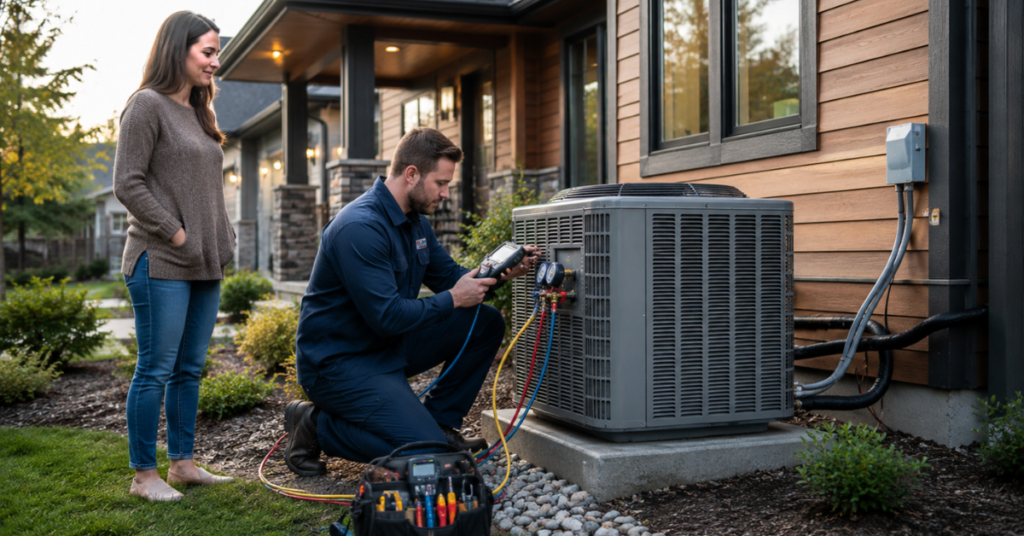
If your furnace continues cycling after these checks, it’s time to call a professional. Attempting to clean or repair internal components like the flame sensor, limit switch, or control board without proper training can cause further damage or create safety hazards.
What Happens If You Ignore Furnace Short Cycling?
Letting short cycling continue without addressing it can lead to serious consequences for your home, your wallet, and your safety.
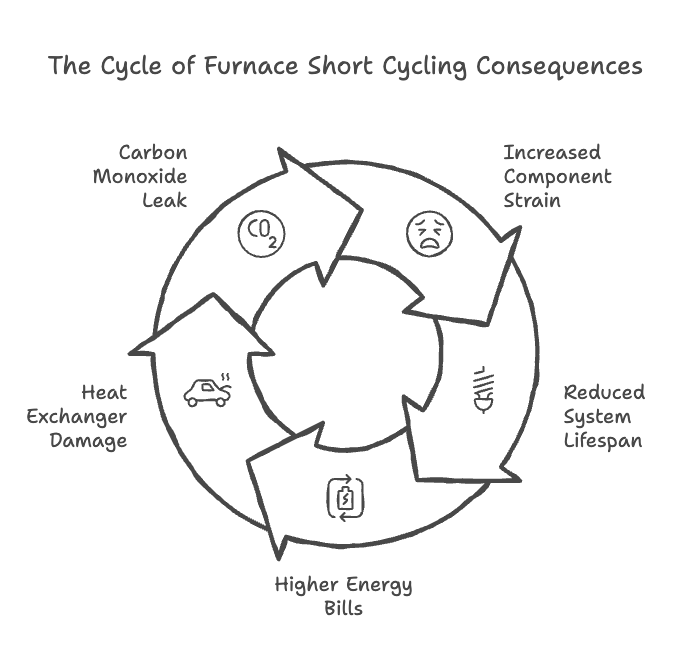
The constant starting and stopping puts tremendous strain on your furnace’s components. Motors, igniters, and electrical parts wear out faster when they’re repeatedly cycled on and off. This can shorten your system’s lifespan by years and lead to warning signs your furnace needs repair sooner than expected.
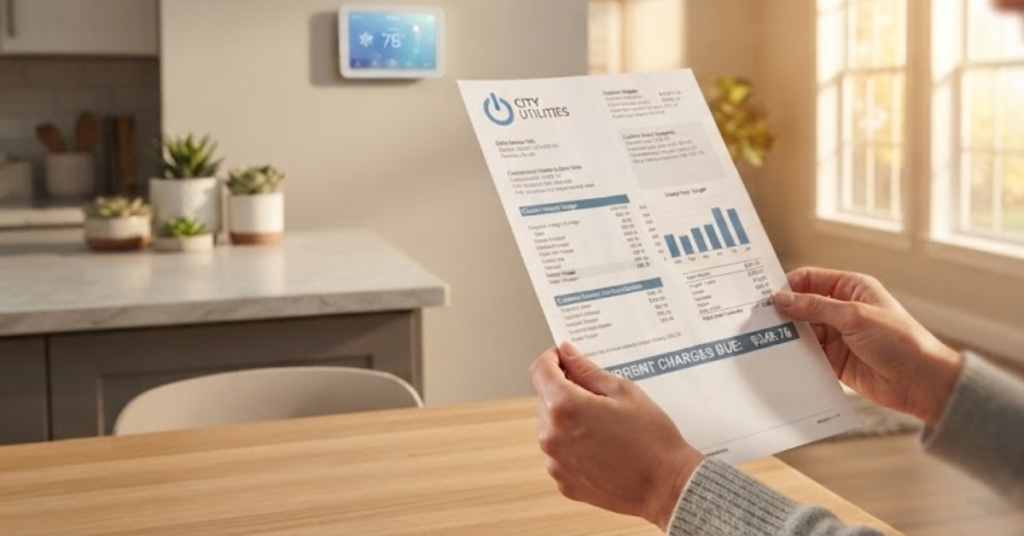
Energy bills often climb significantly when a furnace short cycles. Some estimates suggest that energy costs can increase by 25-30% due to the repeated startup surges. You’re paying more while getting less consistent heating.
In more serious cases, repeated overheating can damage the heat exchanger. A cracked heat exchanger is a major safety concern because it can allow carbon monoxide to leak into your home. This is why addressing short cycling promptly is so important.
How to Prevent Your Furnace From Short Cycling Again
Once you’ve resolved the immediate issue, taking preventive steps can help you avoid future problems:
- Replace your air filter every 1-3 months, especially during the heating season when your system runs frequently.
- Schedule annual furnace maintenance with a licensed technician to catch small issues before they escalate.
- Keep vents and registers clear of furniture, rugs, and other obstructions throughout your home.
- Request a system sizing evaluation if short cycling has been a recurring issue since installation.
Regular maintenance not only prevents short cycling but also keeps your furnace running efficiently, extends its lifespan, and ensures safe operation throughout the winter.
Schedule a Professional Furnace Diagnostic
If your furnace keeps turning on and off and simple troubleshooting hasn’t solved the problem, it’s time for a professional evaluation. Short cycling signals that something in your heating system needs attention, and the sooner you address it, the less likely you are to face expensive repairs or an uncomfortable breakdown during cold weather.
Air Pro Solutions provides expert furnace diagnostics and repair services throughout Auburn and the surrounding areas. Our technicians can identify the root cause of your short cycling issue, recommend the right solution, and restore reliable heat to your home. Contact us today to schedule your furnace service.