Skip to content









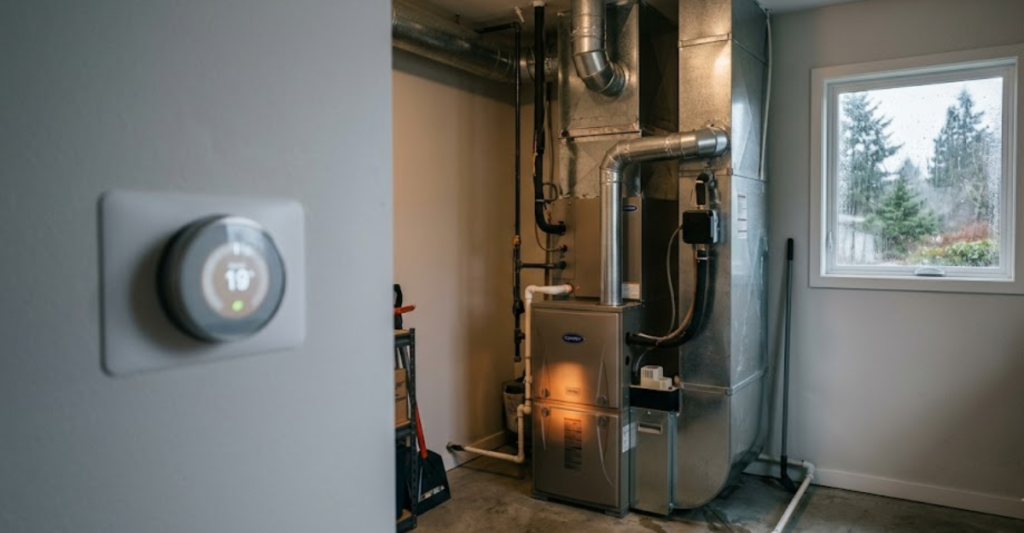
When temperatures drop in Auburn, WA, your heating system becomes essential for reliable comfort. Many homeowners don’t realize that a boiler, boiler system, and furnace (commonly called a heater) operate very differently. Understanding these differences helps reduce energy bills, avoid unnecessary repair costs, and extend the life of your home heating system.
Heater & Boiler Systems
Whether you’re troubleshooting, booking maintenance, planning installation, or upgrading your home heating, here are 10 things to know that will help you make smarter decisions.
1. Heater & Boiler Systems Work Completely Differently
A furnace is a forced-air heating system that uses an air furnace to heat the air and push warm air through ducts and vents. A boiler, however, uses fuel to heat water or boil water and send hot water or steam or hot water through pipes to radiators, steam boilers, radiant floors, or boilers and radiators systems. Unlike furnaces, boilers don’t boil water in most modern setups modern boiler heating systems simply heat water on demand.
For Auburn homes, the existing infrastructure (ducts or radiators) often determines the best type of heating system.
2. Boilers Win at Energy Efficiency
A modern boiler or new boiler can be extremely energy-efficient, especially when properly installed and maintained. Many boilers provide zoned comfort, helping your home feel balanced and warm without wasting energy.
Why boiler systems save heat and energy:
• No duct heat loss
• Zoned control
• High annual fuel utilization efficiency ratings
• Reduced waste in unused rooms
Boiler maintenance, proper valve operation, and regular cleaning help ensure your boiler is working efficiently and safely.
3. Furnaces Heat Your Home Faster
A furnace can raise room temperature within minutes because it circulates heated air immediately. A boiler system takes longer since water must be heated and circulated. However, boilers heat water steadily and produce long-lasting radiant heat, which many homeowners find more comfortable.
4. Each System Needs Different Maintenance
Every heating appliance needs annual service. Skipping boiler maintenance or furnace maintenance reduces heating efficiency and increases the risk of combustion-related issues.
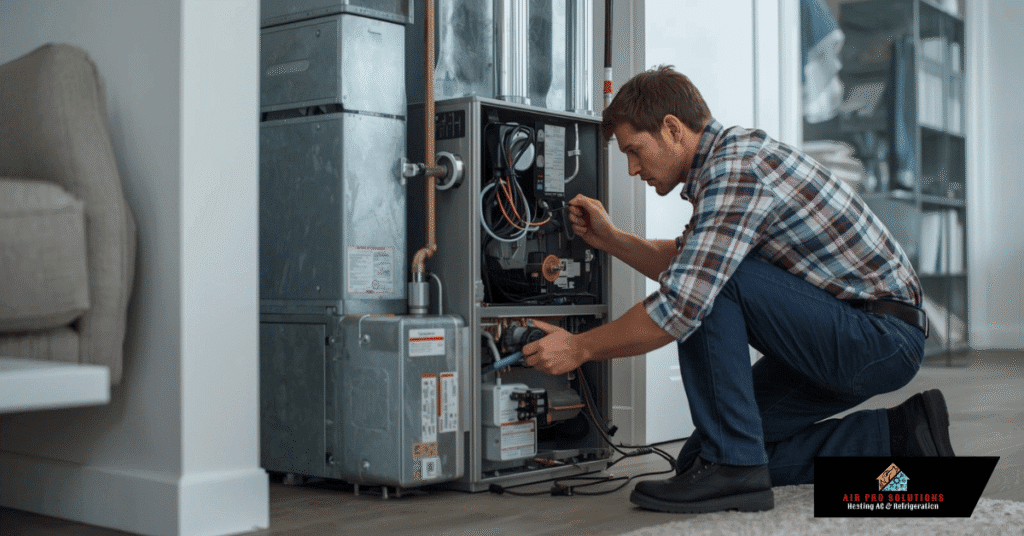
Furnace maintenance includes: filter cleaning, thermostat checks, blower inspections, and duct services.
Boiler maintenance includes: water-quality testing, air bleeding, pressure checks, expansion tank inspections, and pump evaluations.
Hiring a certified technician ensures your system runs efficiently and safely.

5. Some Boilers Provide Heat and Hot Water
Combi boilers are water heaters and heating units in one, delivering both hot water and heat throughout your home. They’re ideal for small spaces and eliminate the need for a separate water heater. They work best for moderate water heating demands.
6. Installation Costs Vary Significantly
Boiler installation typically costs more than furnace installation because of piping, pumps, and system complexity. Pricing depends on:
• Home size
• Type of boiler
• Fuel type (including natural gas)
• Efficiency level
• Radiators vs. ductwork
A reputable heating contractor will size your system for your home properly to meet your heating needs.
7. Boilers Last Longer Than Furnaces
While furnaces commonly last 10 to 15 years, a cast iron boiler or durable boiler system can last 20-30 years old, sometimes longer with proper boiler maintenance. Replace your system when repairs exceed 50% of cost or when replacing a boiler becomes more cost-effective than continual fixes.
8. Air Quality Differs Between Systems
Furnaces affect indoor air and indoor air quality because they circulate air continuously. Good filters improve air quality, while dirty ducts worsen it.
Boilers don’t move air, so they don’t spread allergens but they don’t filter it either. Extra ventilation or purifiers may be needed.

9. Know Which Problems Need Immediate Help
Some issues require urgent assistance, especially gas odors, leaks, smoke, or total heating failure in cold weather.
Others strange noises, uneven heating, or weak radiant heat may simply require routine repair or system adjustments.
10. Choose Based on Your Home’s Heating Needs
Choosing between a furnace or boiler depends on your home structure, comfort goals, and whether you need fast heat or long-lasting radiant heat.
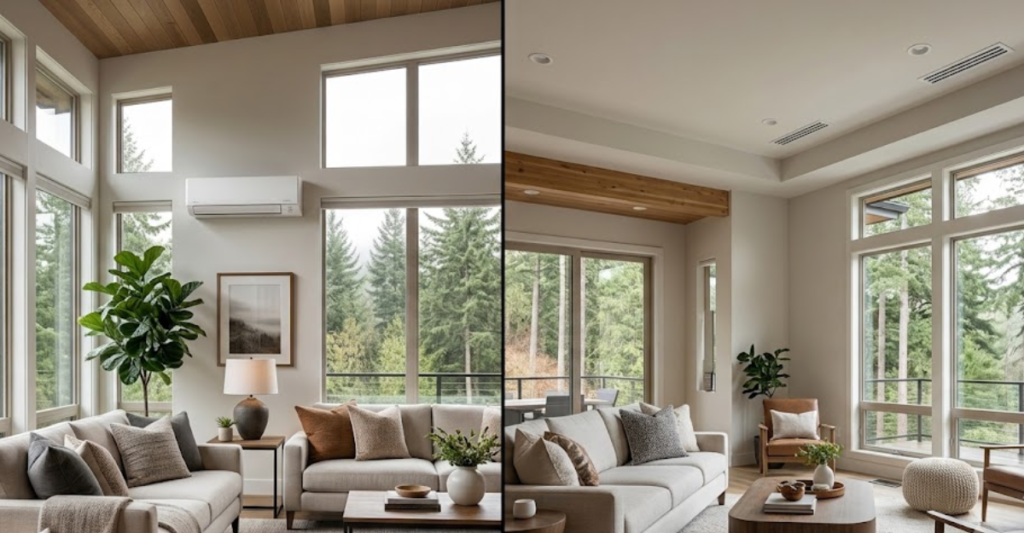
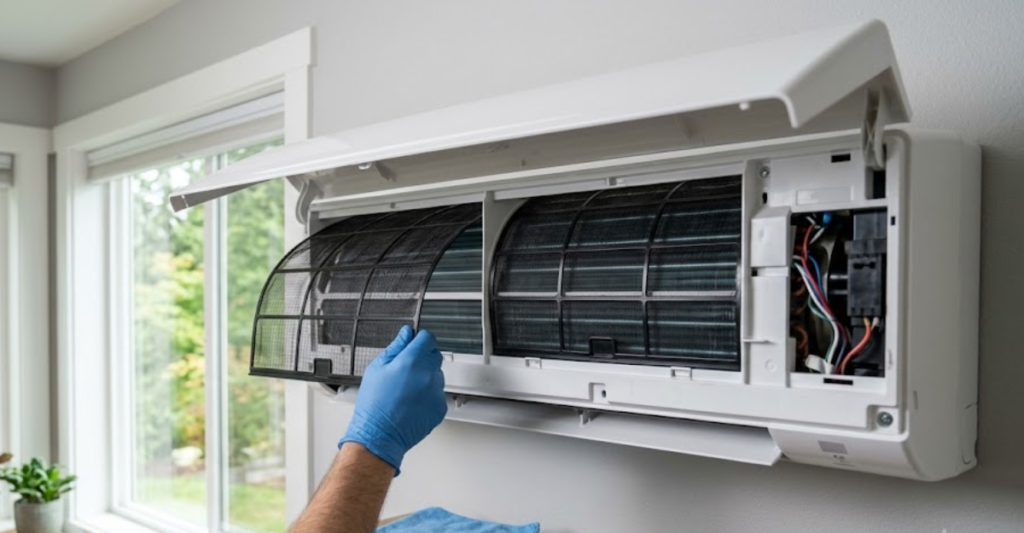
A heat pump or ductless mini-split system is another efficient option. Installing a heat pump can help you choose the best option for balanced heating and cooling.
Your HVAC professional should help you choose the type of heating that fits your home’s heating needs, energy goals, and long-term comfort.
Making Smart Heating Decisions
Understanding how boiler systems, furnaces, and types of systems work helps you select a system that makes sense for your home or business. Whether you need cleaning, repair, upgrades, installation, or troubleshooting, choosing the right heating equipment ensures dependable comfort for years.