Skip to content











You spent thousands on a new furnace or heat pump. The salesperson said it came with a ten-year warranty, so you filed the paperwork somewhere and stopped thinking about it.
Then a part fails in year seven. You call for service expecting a free repair, and you get handed a bill for several hundred dollars anyway. The part was covered. The labor was not. And nobody told you the difference.
This is the single most common warranty surprise homeowners face, and it’s entirely avoidable. Understanding HVAC warranties before you need one puts you in control of what you pay later.
This guide breaks down the layers of coverage, the deadlines that matter, what quietly cancels protection, and the questions worth asking your contractor before you sign anything.
What Are the Different Types of HVAC Warranties?
Most homeowners think of “the warranty” as one document. In reality, your system is protected by two or three separate agreements from two different companies, each covering something different.
Manufacturer Parts Warranty
This comes from the brand that built your equipment, such as Trane, Carrier, Lennox, or Goodman, and it is the standard hvac warranty – also called the manufacturer warranty, standard warranty, or hvac manufacturer warranty – that comes with a new system. Its warranty coverage typically lasts 5 to 10 years during the warranty period and is meant to cover defects tied to materials or workmanship, including defective parts, a manufacturing defect, and other unexpected failures. It covers physical components such as the compressor, coils, heat exchangers, blower motor, and control boards.
What most warranties almost never include is labor, so the warranty covers the replacement part itself while installation, refrigerant, and the diagnostic visit are usually separate costs.
Contractor Labor Warranty
This one comes from whoever installed your system. A labor warranty covers the technician’s time to diagnose the failure and repair issues tied to installation or workmanship, including putting the new part in, so it protects you against installation mistakes rather than manufacturing defects.
Standard labor coverage usually runs 1 to 2 years after installation. Some contractors offer five or ten years, either included or as a paid upgrade. The length tells you something about how confident a company is in its own installation work, and contractor warranties are separate from the manufacturer’s parts protection.

Extended Warranty or Service Plan
An extended warranty is purchased separately, and a service contract can provide extended coverage for up to 10 or 12 years, depending on the plan. These plans make the most sense as a protection plan for expensive HVAC equipment, helping protect your investment by reducing potential repair costs and replacement costs; comprehensive warranties can save homeowners thousands in repair costs.
Read the fine print carefully before buying. An extended plan is only worth the price if it covers costs you would otherwise pay out of pocket, so check for coverage caps, any service fee, and whether it offers comprehensive coverage or only selected items.
Why Does Registration Matter So Much?
This is where most of the money gets lost, and it takes about ten minutes to prevent.
Nearly every major brand offers two tiers of the exact same warranty. The base limited warranty applies automatically and typically runs five years on parts. The registered limited warranty extends that to ten years for full coverage, but only if the equipment is registered within a short window after installation.
That window is usually 60 to 90 days after installation, depending on the brand, and warranties often require timely registration for extended coverage. Trane and American Standard both require registration within 60 days, while some brands allow 90. Miss it, and your coverage is cut in half permanently, which can significantly reduce warranty coverage and leave only the shorter standard warranty in place.
Here’s what protects you:
- Ask your contractor at installation whether they register systems on your behalf
- Request a printed copy of the warranty certificate as proof, and keep the registration documents because they help confirm warranty eligibility later, not a verbal promise
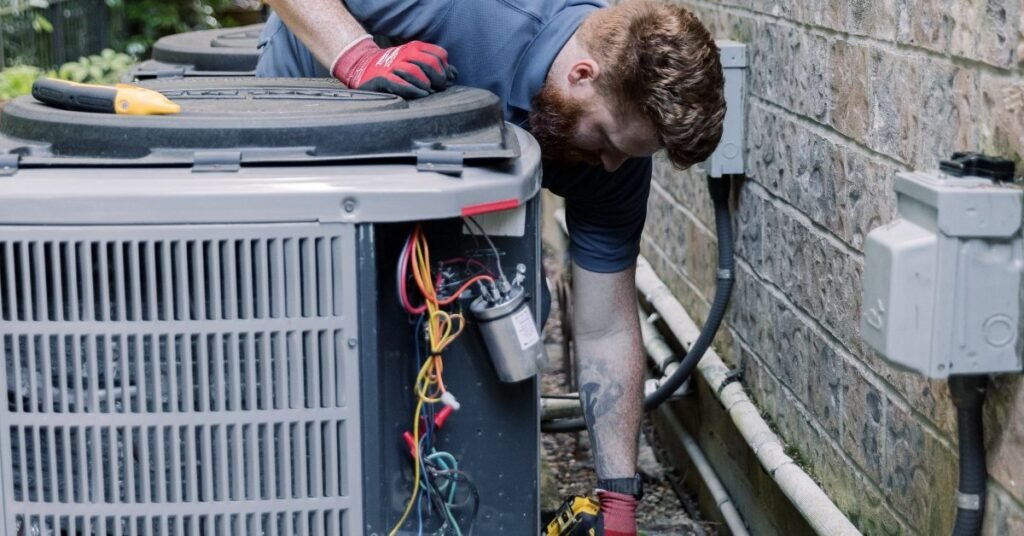
- Verify the registration yourself using the model and serial numbers on the outdoor unit
- Save the confirmation email with your installation invoice
Never assume the registration happened. A meaningful share of homeowner registrations are never completed, and the gap only shows up years later when a compressor fails.
Need a hand with this at home? Air Pro Solutions provides seasonal HVAC tune-ups for homeowners across South King County.
What Actually Voids an HVAC Warranty?
Some of these are widely misunderstood, so it’s worth separating the real risks from the sales-pitch scare tactics.
Skipped or Undocumented Maintenance
Most manufacturer warranties require annual professional service, and many warranties require documented maintenance at set intervals, so routine maintenance matters. They can deny a claim if you cannot produce records, and over 70% of warranty claims are denied because of avoidable mistakes tied to missing documentation or skipped service. This is the most common avoidable denial in the industry, especially when strict maintenance requirements are not met.
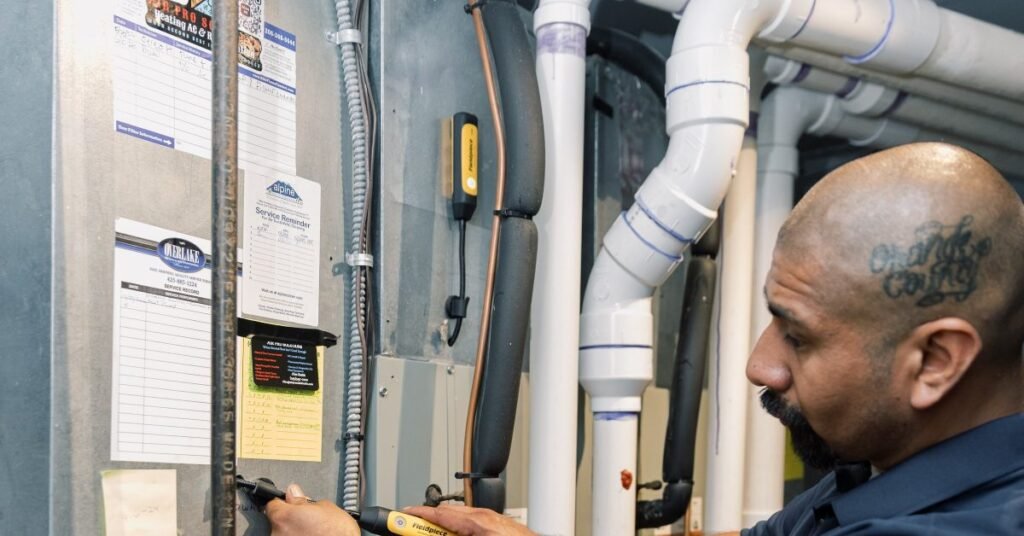
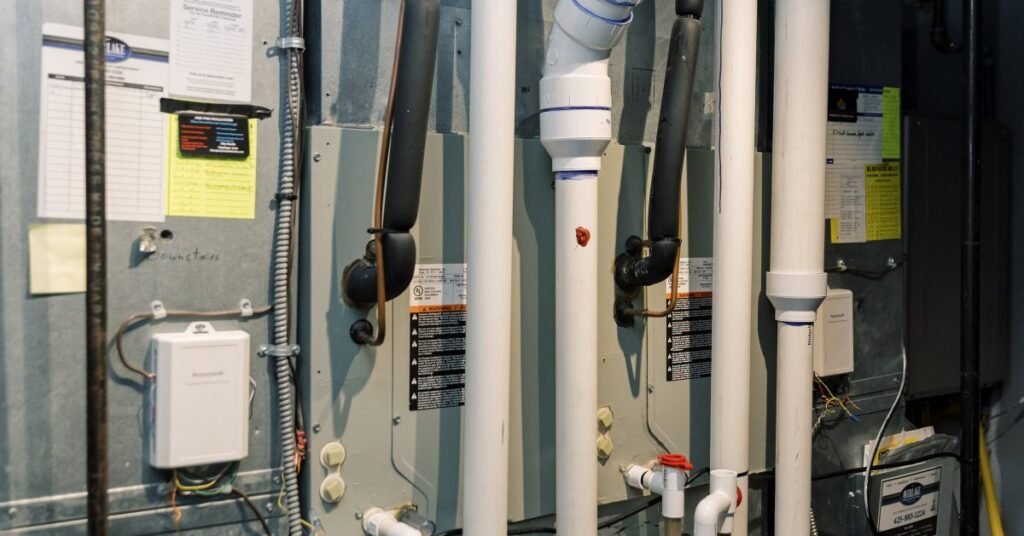
Keep every invoice. A folder or a photo on your phone is enough to show regular maintenance and help keep the warranty valid. Our breakdown of what an HVAC tune-up includes shows what a documented visit should cover.
Neglected Air Filters
A heavily clogged filter restricts airflow, which can freeze an indoor coil or overheat a furnace. That damage is classified as homeowner neglect, not a defect, and it is not covered.
Filter changes are the cheapest warranty protection available. Our guide on how often to change your filter in Washington covers the schedule for our climate.
Unlicensed Installation or DIY Repairs
Manufacturers require professional installation by a licensed contractor, and using unlicensed technicians, unlicensed installation, or DIY repairs can void HVAC warranties entirely; improper installation is another common reason claims are denied under warranty coverage.
In Washington, you can check any contractor’s registration status through the L&I verification tool before work begins. It takes a minute and confirms both licensing and insurance.
Non-Approved Parts and Mismatched Equipment
If a technician installs a generic third-party component instead of an approved part, the manufacturer can refuse future claims. The same applies to pairing an indoor and outdoor unit that were never designed to work together.
This is worth raising during installation rather than after. Our article on what to expect during professional AC installation walks through what a correct, matched install looks like.
What Does a Real Warranty Repair Cost You?
The clearest way to understand the parts-versus-labor split is to look at actual hvac repairs and the gap between parts coverage and out-of-pocket labor costs.
Say your compressor fails in year six. The part itself may be fully covered by a registered ten-year parts warranty. But replacing a compressor is skilled work that can take several hours, plus refrigerant and specialized equipment. A replacement compressor can run about $1,500 to $2,800 in parts alone before labor and refrigerant. Major HVAC repairs can reach $5,000 to $15,000 without warranty coverage.
If your labor warranty expired after year one, labor costs are often not included in HVAC warranties even when the part is covered. The part is free, and the invoice still runs into the hundreds. This gap is exactly what an extended labor plan exists to close, and it’s the number one reason to ask about labor terms before you choose an installer.
Does an HVAC Warranty Transfer When You Sell Your Home?
Sometimes, and the details matter more than many homeowners realize.
Manufacturer parts warranties generally follow the equipment rather than the person, but many homeowners assume the warranty transfers and covers more than it actually does when a home changes hands, not realizing that transferable protection is separate from homeowners insurance on the home itself. Trane and American Standard both allow a transfer within 90 days of the home sale for a one-time fee. Other brands allow only the shorter base coverage to pass to a second owner, so it helps to compare different warranties before you rely on the listing details.
Labor warranties are a different story. They are tied to the relationship with the installing contractor and usually do not transfer unless you negotiate it in writing upfront.
If you’re buying a home with a newer system, ask for the installation paperwork and registration confirmation during your inspection period. If the system was never registered, you may be inheriting far less coverage than the listing suggested.
How Do You File a Warranty Claim?
The process is simpler than most people expect, but it moves faster when you have documentation ready.

Start by calling a licensed HVAC contractor. For most major brands, any licensed company can verify coverage from the serial number and process the parts claim through the brand’s distributor, even if the original installer is out of business.
Have these ready before the visit:
- Model and serial numbers from the outdoor unit data plate
- Original installation date and invoice
- Registration confirmation
- Maintenance records from previous years
Ask the technician to confirm warranty status before you approve any major repair. Knowing whether a part is covered changes the math on whether repairing or replacing makes more sense, which our guide on furnace replacement versus repair explores in more detail.
Questions to Ask Before You Buy a New System
The best time to sort out warranty terms is before installation, when you still have leverage as a buyer. Ask every contractor you’re considering:
- How many years of labor warranty is included, and what does it cover?
- Will you register the equipment, and will I get a written certificate?
- Is the labor warranty transferable if I sell the home?
- What maintenance documentation do you require to keep coverage valid?
- Are all components matched and approved by the manufacturer?
A contractor who answers these clearly and puts them in writing is telling you something useful about how they run their business. Vague answers are a signal worth listening to.
Protecting the Investment You Already Made
Your warranty is only as strong as the paperwork behind it, and warranties exist to protect homeowners while protecting your HVAC investment. Register the equipment on time, keep every service invoice, change your filters, and use a licensed contractor for anything more than a filter swap, which matters for both heating and air conditioning equipment under different warranties.
Those four habits keep coverage intact through the years when your hvac unit is most likely to need it. They also pair well with maintenance plans that help support warranty eligibility and reduce wear and tear over time, while extending how long your system lasts in the first place, as our article on how maintenance affects HVAC lifespan explains.
If you’re unsure whether your current system was ever registered, or you want your warranty terms explained in plain language before you buy, we’re happy to walk you through it. Reach out to Air Pro Solutions and we’ll check your coverage status and tell you exactly where you stand.
Need seasonal HVAC tune-ups?
Air Pro Solutions handles seasonal HVAC tune-ups for homes across Federal Way, Kent and the surrounding area. Our licensed technicians give honest recommendations and clear pricing before any work starts.
Call 253-397-7220 or request service online.
Air Pro Solutions Heating, Cooling & Electrical, Auburn, WA 98092