Skip to content










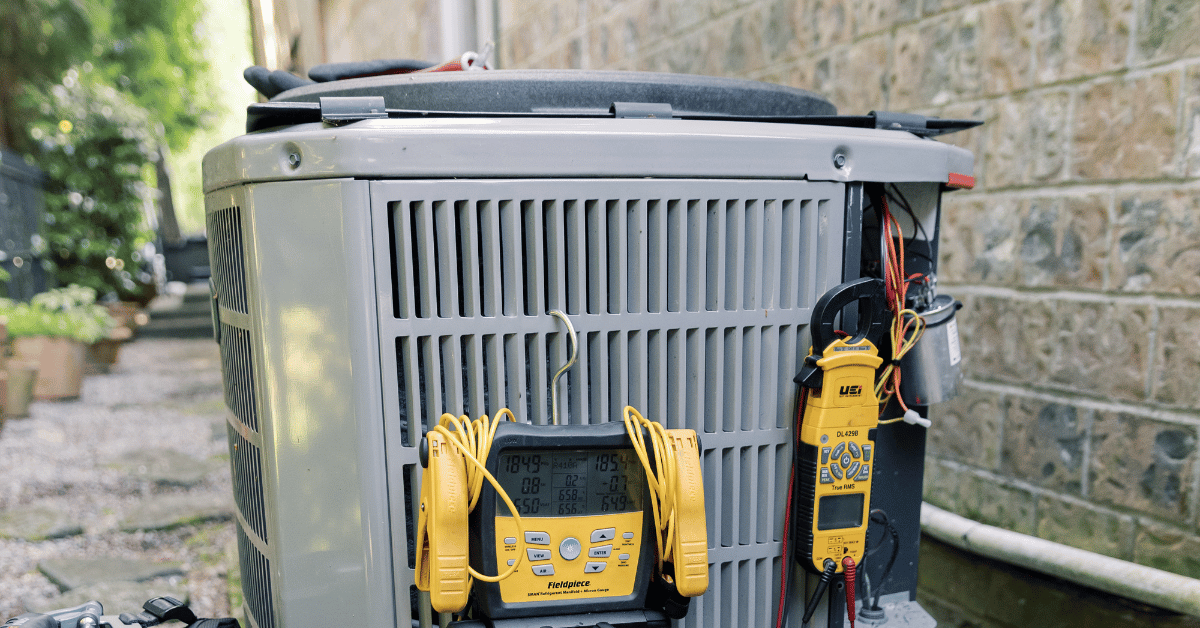
The HVAC industry is going through a major transition in 2025, and every homeowner should be prepared. For years, R-410A refrigerant has been the standard refrigerant used in most air conditioners and heat pumps. Reliable, efficient, and widely available, the R-410A refrigerant was once considered the future of cooling. But new regulations and environmental protection standards mean the R-410A refrigerant phase out is officially underway.
If your HVAC system relies on R-410A, this refrigerant change impacts you directly. From repair services to long-term replacement plans, understanding this phase helps you prepare for future costs and system design decisions.
What is R-410A Refrigerant?
R-410A refrigerant is a hydrofluorocarbon (HFC) blend developed to replace R-22, which was phased out due to its ozone-depleting effects. While R-410A does not harm the ozone layer, it still has a high global warming potential (GWP). For decades, the refrigerant was popular because:
- It supported modern HVAC system installation and ductless designs
- Units using R-410A ran cooler and were less prone to breakdowns
- It delivered better performance compared to older refrigerants like R-22
Homeowners and HVAC technicians saw it as the standard refrigerant for air conditioners and heat pumps. But now, the EPA and international agreements are requiring a shift away from R-410A.
Why is R-410A Being Phased Out?
The refrigerant is being phased out because of its high global warming potential. Even though R-410A refrigerant does not destroy the ozone layer, it contributes to greenhouse gas emissions. The U.S. Environmental Protection Agency (EPA), under the American Innovation and Manufacturing (AIM) Act of 2020, has targeted high-GWP refrigerants for reduction.
This refrigerant transition aims to:
- Reduce greenhouse gas emissions and lower environmental impact
- Encourage environmentally friendly alternatives like A2L refrigerants
- Support the HVAC industry in adopting safer refrigerants with lower GWP
By January 2025, the refrigerant phase will officially begin for new HVAC systems in the U.S.
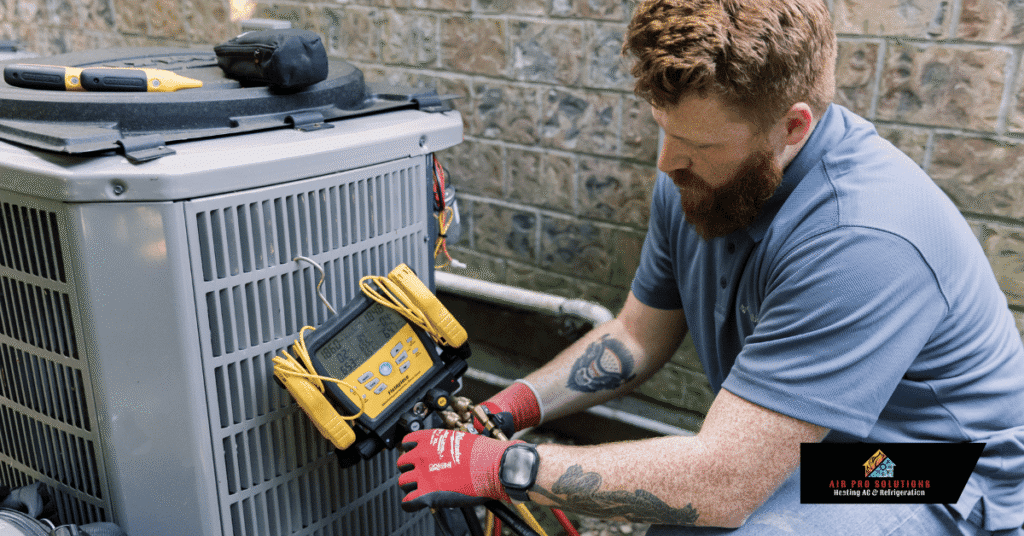
Timeline for the R410A Refrigerant Phase Out
- Starting in 2025: New HVAC systems that use R-410A refrigerant cannot be manufactured or imported in the U.S.
- After 2025: Existing R-410A systems can still be serviced, but supplies will become more expensive.
- 2036: Production and consumption of high-GWP refrigerants, including R-410A, will be drastically reduced under the Montreal Protocol.
This does not mean your current HVAC system will stop working in 2025. Instead, service costs like leak repair or refrigerant replacement will rise as production of R-410A decreases.
How the Phase-Out Affects Homeowners
For homeowners, the main concern will be maintenance and repair services. An existing system using R-410A refrigerant will continue to work, but refrigerant refills and repair costs will increase.
Things homeowners need to know:
- Repair Costs: Adding R-410A during service will become more expensive.
- System Age: If your system is more than 10 years old, consider planning for replacement.
- Repair vs. Replace: Installing new systems with lower GWP refrigerants may save money long-term.
- Environmental Impact: Transitioning away from R-410A reduces greenhouse gas emissions.
Alternatives to R-410A Refrigerant
Two main alternative refrigerants are entering the market:
- R-32: Widely used globally, it has a lower GWP and works well in modern HVAC systems.
- R-454B refrigerant: Designed for the U.S. market, this A2L refrigerant provides strong performance with lower global warming potential.
These alternative refrigerants are more environmentally friendly and will power new HVAC systems designed for energy efficiency and reduced emissions.
Repair vs. Replacement – What Homeowners Should Consider
Repair makes sense when:
- Your system is under 8 years old
- The repair is minor and doesn’t involve large amounts of refrigerant
- The system runs reliably after service
Replacement makes sense when:
- Your system is 10–15 years old
- You face major repair costs like compressor replacement
- You want a lower environmental impact and reduced energy bills
Working with HVAC technicians ensures you get the right guidance on whether to repair or move forward with installation of a new system.
Preparing for the Transition
Steps homeowners can take now:
- Schedule an inspection: Know the age and health of your existing system.
- Plan for replacement: Don’t wait for a breakdown budget for new systems.
- Check refrigerant type: Ensure whether your unit uses R-22 or R-410A.
- Consider new refrigerant systems: Look into R-32 and R-454B for lower GWP.
- Ask about financing: Spread out installation costs with contractor programs.
Final Thoughts on the R-410A Refrigerant Transition
The R-410A phase-out is one of the biggest changes the HVAC industry has faced in decades. While existing R-410A systems can still be serviced, refrigerant costs will rise, and new systems will be designed with alternative refrigerants. By preparing now, homeowners can reduce future repair expenses, choose environmentally friendly options, and benefit from modern HVAC systems.