Skip to content









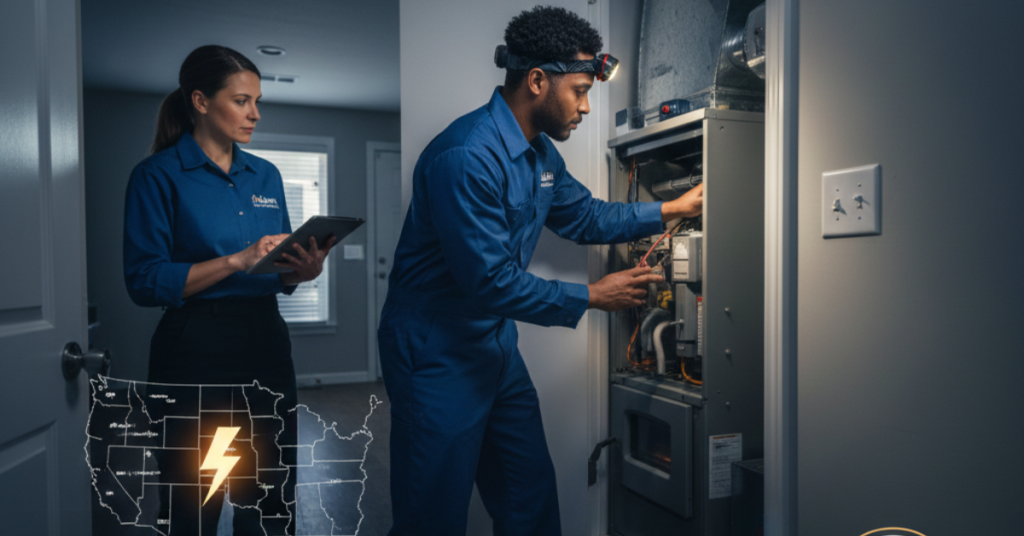
An HVAC emergency is any situation that threatens your health, safety, or risks significant damage to your home or equipment. This includes complete loss of heating during freezing temperatures, suspected carbon monoxide or gas leaks, electrical sparking or burning smells from the system, refrigerant leaks, and total system failure during extreme heat. According to Aire Serv, the simple test is: does the problem risk harming people or causing costly damage if left until regular business hours?
Key Takeaways
- True HVAC emergencies involve threats to health, safety, or property and require immediate professional attention
- Complete loss of heating or cooling during extreme temperatures qualifies as an emergency, especially for vulnerable household members
- Carbon monoxide leaks, gas smells, and electrical sparking are always emergencies requiring immediate action
- Refrigerant leaks can harm your health and damage the compressor if not addressed quickly
- About 40% of HVAC emergencies begin with thermostat malfunctions
- Situations that can wait include minor temperature fluctuations, reduced airflow from a dirty filter, and thermostat programming issues
- Homeowners with regular maintenance are 50% less likely to experience emergency breakdowns

True HVAC Emergencies That Need Immediate Attention
The following situations should be treated as emergencies. If you experience any of these, contact a licensed HVAC professional right away.
Complete Loss of Heating During Cold Weather
When your heating system fails and outdoor temperatures drop below 50 degrees Fahrenheit, the situation becomes urgent. Prolonged exposure to cold indoor temperatures creates health risks for everyone, but especially for infants, elderly family members, and individuals with chronic health conditions.
Beyond personal safety, a home without heat in freezing weather faces the risk of frozen and burst pipes, which can cause thousands of dollars in water damage. If your furnace stops working during a Washington winter, review our guide on common furnace problems during Washington winters and take immediate protective steps.
Carbon Monoxide Concerns
Carbon monoxide (CO) is colorless and odorless, making it one of the most dangerous threats associated with fuel-burning HVAC equipment. According to the CDC, unintentional carbon monoxide poisoning sends over 100,000 Americans to emergency departments each year.
Warning signs of a potential CO leak include soot buildup around vents or the furnace, a yellow (instead of blue) burner flame, frequent headaches or nausea when the system is running, and CO detector alarms. If you suspect a leak, evacuate your home immediately and call your gas utility from outside. Learn how to identify the signs of carbon monoxide leaking from your furnace.
Gas Leaks
If you smell rotten eggs or sulfur near your furnace or gas lines, you may have a natural gas leak. This is always an emergency. Shut off the gas supply valve if you can do so safely, do not use electrical switches or open flames, evacuate the home, and call your gas company from outside.
Electrical Problems
Sparking, smoke, burning smells, or repeated circuit breaker trips associated with your HVAC system indicate electrical issues that can lead to fire. Shut off the system at the thermostat and the breaker, and contact an HVAC professional immediately. Do not attempt electrical repairs yourself.
Refrigerant Leaks
Refrigerant leaks reduce your system’s ability to heat or cool and can damage the compressor if the system continues running on low refrigerant. Signs include hissing sounds near the indoor or outdoor unit, ice forming on the evaporator coils, and a noticeable drop in cooling or heating performance. Refrigerant is also harmful if inhaled in concentrated amounts. Contact a licensed technician to locate and repair the leak.
Total System Failure During Extreme Heat
When air conditioning fails during a heat event, indoor temperatures can rise to dangerous levels within hours. Children, elderly individuals, and people with respiratory or cardiovascular conditions are especially vulnerable to heat-related illness. If you cannot restore cooling through basic troubleshooting (checking the thermostat, resetting the breaker), treat this as an emergency.

Situations That Can Typically Wait
Not every HVAC issue requires an emergency call. Calling for emergency service when the situation isn’t urgent means paying premium after-hours rates (typically $50 to $150 extra) for a repair that could be handled during regular business hours. Here are some common non-emergencies.
Minor Temperature Fluctuations
If your system is running but the temperature is a few degrees off your thermostat setting, the cause may be a dirty filter, partially blocked vents, or a thermostat calibration issue. Check your filter first. If it’s clogged, replacing it may resolve the problem. Learn what happens if your air filter is clogged.
Unusual Sounds Without Danger Signs
Clicking, humming, or mild rattling during operation may indicate a loose component but typically don’t pose an immediate safety threat. Note the type and timing of the sound and schedule a service call during business hours.
Reduced Airflow
If some rooms feel warmer or cooler than others, check that all vents are open and unobstructed. A dirty filter is the most common cause of reduced airflow. If the issue persists after replacing the filter, schedule a professional inspection. Learn more about how to troubleshoot common HVAC problems.
Thermostat Issues
If your system won’t turn on, try replacing the thermostat batteries, verifying the mode setting (heat vs. cool), and checking that the temperature is set correctly. Many “system failures” are actually thermostat-related and can be resolved without a service call.
Short Cycling (On/Off Repeatedly)
While short cycling can indicate a serious problem, it’s not typically an immediate safety threat. Possible causes include an oversized system, a dirty filter, or a malfunctioning sensor. Schedule a diagnostic appointment during regular hours unless the cycling is accompanied by burning smells or electrical issues.

What to Do When You Have an HVAC Emergency
If you determine your situation is a true emergency, take these steps.
- Prioritize safety. If you smell gas or suspect carbon monoxide, evacuate first and call emergency services from outside.
- Shut off the system. Turn it off at the thermostat. For electrical issues, also flip the breaker.
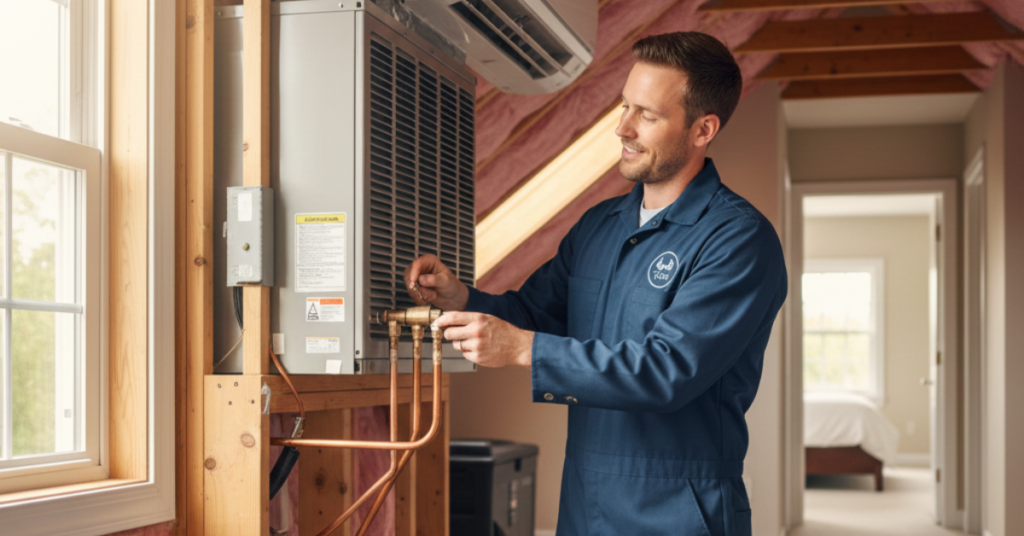
- Call a licensed HVAC contractor. Look for a company that offers 24/7 emergency service with honest arrival time estimates.
- Document the situation. Note what you heard, smelled, or observed. Check for error codes on your thermostat or system display. This information helps the technician diagnose the problem faster.
- Protect your home. If heating is out during cold weather, open cabinet doors under sinks to prevent pipe freezing. Use space heaters safely in well-ventilated areas.
How to Reduce Your Risk of HVAC Emergencies
Prevention is always more affordable than emergency repair. According to industry data, homeowners with regular maintenance plans are 50% less likely to experience an emergency breakdown.
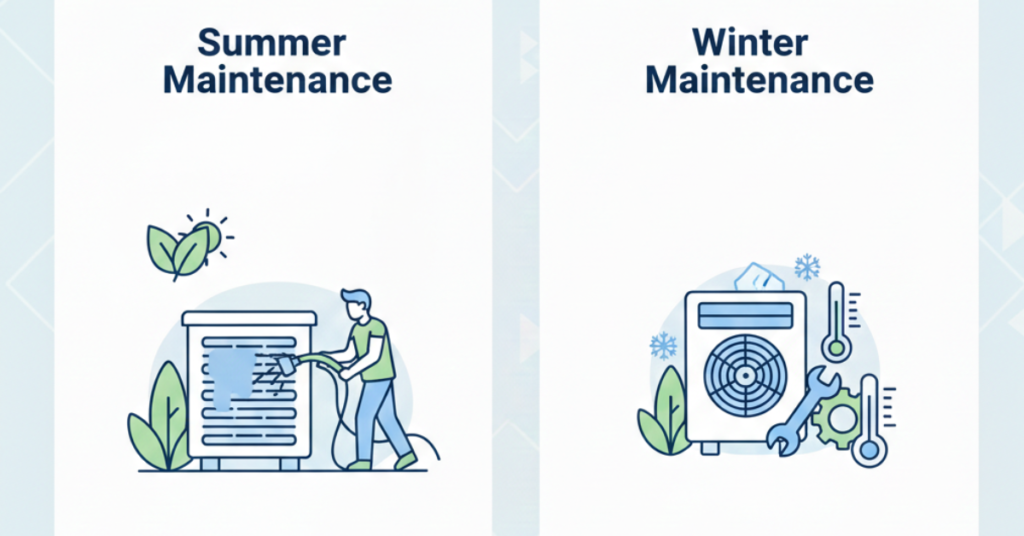
The most effective preventive measures include scheduling seasonal tune-ups twice a year, replacing filters every 1 to 3 months, keeping outdoor units clear of debris, and addressing minor issues promptly before they escalate.
Regular maintenance extends your HVAC system’s lifespan and dramatically reduces the chance of an unexpected failure.
Know When to Call and When to Wait
Understanding what qualifies as an HVAC emergency helps you make faster decisions when problems arise and avoids unnecessary costs when they don’t. Threats to health, safety, or property always warrant an immediate call. Minor comfort issues and non-dangerous malfunctions can wait for regular business hours.
If you’re experiencing an HVAC emergency in Auburn, WA, contact Air Pro Solutions for professional service you can rely on.