








When airflow weakens, utility bills rise, and your HVAC engine begins to struggle, it is easy to assume your system needs major repair. But before you worry about expensive service calls, there is one simple component you should always check first: your air filter.
Signs Your Air Filter Is Clogged and Needs Replacing
A clogged air filter, dirty air filter, or dirty engine air filter can trigger serious HVAC issues that limit airflow, reduce fuel efficiency-style performance, and expose your home to dirty air. Understanding air filter symptoms, why a filter is clogged, and how an engine air filter affects system performance helps you protect your home and avoid unnecessary repair and cleaning costs.
At Air Pro Solutions, we see homeowners face expensive repairs that could have been avoided if the air filter is clogged had been caught early. This expanded guide explains exactly what a clogged filter causes, how the engine compensates when airflow is restricted, and why consistent filter maintenance and HVAC service matter.
How Your HVAC Air Filter Works
Your air filter is the first and most important defense system inside your HVAC engine. Whenever your heat pump, furnace, or AC unit runs, air is pulled in and must pass through the filter first. This filtration process captures dirty air contaminants such as dust, pollen, mold particles, dander, and pollutant residue that would otherwise damage internal engine components.
A healthy engine air filter protects:
- Blower motor
- Evaporator coils
- Electrical components
- Heat exchanger
- Air handler parts
- Refrigerant-supporting surfaces
Over time, the filter becomes dirty and clogged due to contaminant buildup. When the air filter is dirty or the engine air filter is clogged, the system struggles to receive enough air. This restricts airflow, reduces combustion efficiency, affects the air-to-fuel style mixture within your system’s heating components, and forces the HVAC engine to work harder.
If the filter restricts airflow long enough, it impacts every part of your HVAC system and eventually leads to system strain, increased fuel costs, and avoidable repair bills.
What Happens When Your Air Filter Gets Clogged?
A clogged air filter disrupts airflow, allowing less clean air into your system while forcing the engine to push against a physical blockage. This is one of the most common filter causes of system failure and reduced home comfort. Below are the major problems that begin once your air filter may be clogged or dirty.
Reduced Airflow Throughout Your Home
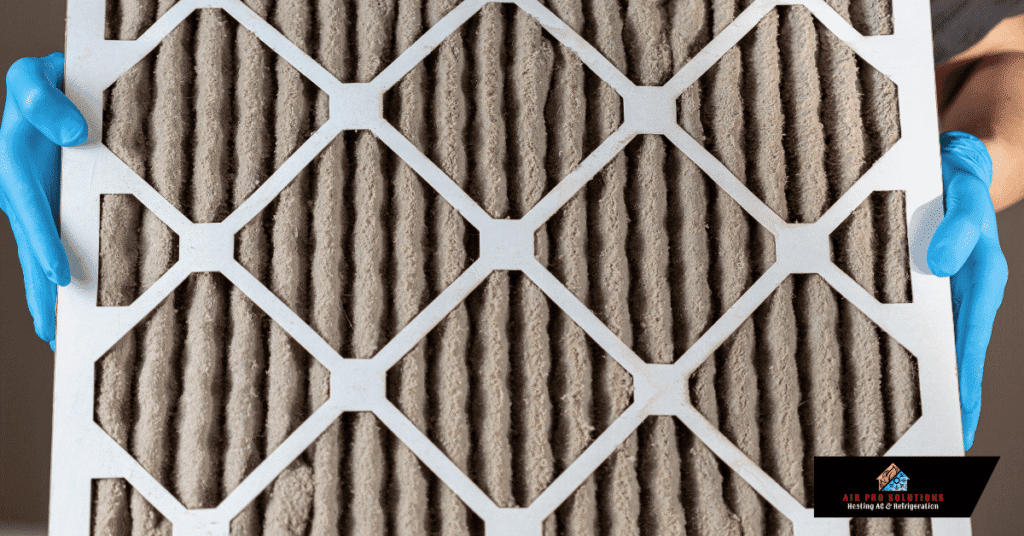
One of the earliest symptoms of a clogged air filter is weakened airflow. When dust buildup restricts airflow to the engine, it becomes harder for the HVAC system to push enough conditioned air through your vents.
You may notice:
- Uneven temperatures in multiple rooms
- Rooms feeling stuffy or stagnant
- Low airflow from vents
- Longer HVAC cycles and higher rpm-style operation
- System running constantly but not reaching temperature
This reduced airflow means the system is no longer receiving enough air, so the engine runs inefficiently, similar to a car engine receiving bad air or insufficient intake.
Your Energy Bills Increase
A dirty filter or clogged filter forces your HVAC engine to consume more energy. Because the system cannot circulate enough air, it must accelerate its cycles, run longer, and work harder to compensate.
A dirty or clogged engine air filter could cause:
- Increased fuel consumption
- Higher fuel costs
- Poor fuel economy-style efficiency
- Inefficient system cycles
When airflow is restricted due to a clogged air filter, your system may use 5% to 15% more energy. This increase is noticeable during high-demand seasons such as hot summers and cold winters.
Frozen Evaporator Coils
When your air filter blocks warm air from reaching evaporator coils, the refrigerant inside the coils becomes too cold and freezes. A frozen coil is one of the most common consequences of a dirty air filter restricting airflow to the engine.
Signs include:
- Ice forming on the indoor unit
- Water pooling around the air handler
- AC running but not cooling
- Hissing or bubbling sounds
This occurs because incomplete combustion-style temperature control prevents the coil from balancing the refrigerant cycle. The colder the coil gets, the faster condensation freezes, creating a cycle of poor airflow and frost.
System Overheating and Shutdowns
On the heating side, the same airflow restriction creates the opposite effect: excess heat. A clogged engine air filter prevents warm air from moving through the furnace’s heat exchanger. Without enough air, the engine overheats.
If your filter restricts airflow long enough, you will experience:
- Overheating
- Limit switch shutdowns
- Cracked heat exchangers
- Burnt wiring
- Reduced engine performance
Your system relies on the engine control unit to shut down operations before damage occurs, similar to how a car engine prevents dangerous overheating.
Shortened Equipment Lifespan
A dirty or clogged air filter can affect the lifespan of your HVAC system. When the filter restricts airflow, internal components such as the blower motor, compressor, and heat pump engine must work harder to maintain operation.
This strain leads to:
- Premature wear
- Frequent repair needs
- Reduced engine’s power
- Less horsepower-style performance
- Inefficient airflow cycles
Running a system with a clogged filter is one of the fastest ways to reduce the expected lifespan of your HVAC engine.
Poor Indoor Air Quality
Once the air filter allows dirty air through, contaminants circulate directly throughout your home.
This includes:
- Dust
- Pollen
- Debris
- Contamination
- Pet dander
- Pollutant residue
Homes near dusty roads or high-pollen areas face even faster filter clogging. Poor air quality also increases respiratory irritation, allergy flare-ups, and general discomfort.
Expensive Repair Bills Down the Road
Neglecting a clogged air filter can eventually result in major HVAC damage.
Common repair issues include:
- Blower motor burnout
- Compressor failure
- Heat exchanger cracks
- Airflow blockages
- Exhaust and emission-style issues such as black smoke
- Costly contamination requiring coil cleaning
Every one of these issues can be traced back to filter neglect. A filter can lead directly to higher repair costs if not replaced regularly.
Warning Signs Your Filter Needs Attention
You should inspect your filter first if you notice:
- Whistling or airflow noise
- Dust buildup on furniture
- Rough idling-like HVAC cycling
- Sluggish acceleration-style airflow
- Misfire-like interruptions
- Increased dust in the air
- A check engine light-type warning on smart thermostats
If the engine air filter is clogged, replacement should happen immediately.
How Often Should You Change Your Air Filter?
Basic guideline: every 1 to 3 months.
However, your maintenance schedule may vary depending on:
- Pets
- Allergies
- High-dust environments
- Heavy HVAC run time
- High-MERV filters
- Driving conditions-like dusty airflow intake
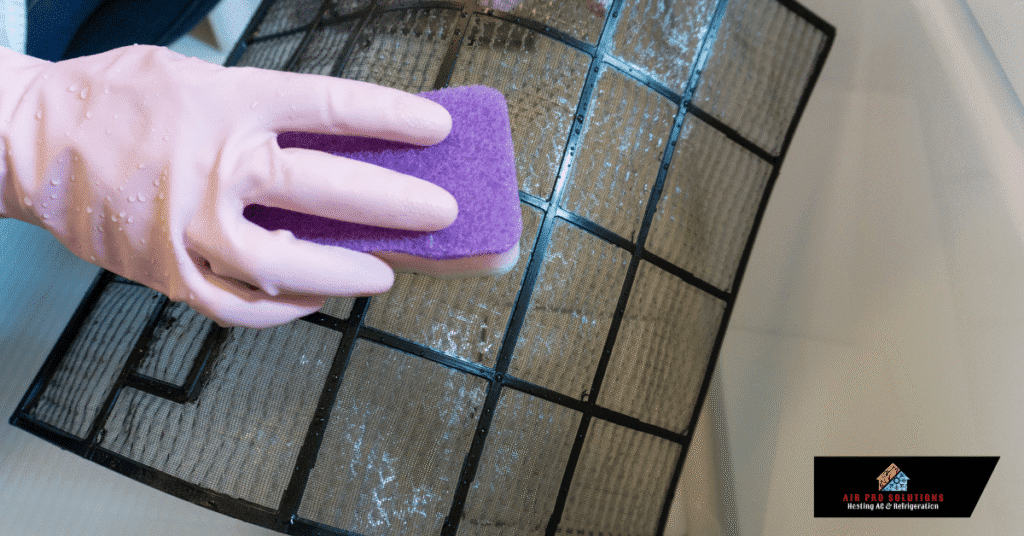
When the air filter needs replacing, it is usually visibly dark, coated with debris, and unable to let light pass through.
Professional HVAC Maintenance in Auburn WA
Replacing your air filter is simple, but full HVAC maintenance requires professional service. A complete tune-up includes:
- Refrigerant checks
- Combustion analysis
- Coil cleaning
- Airflow testing
- Engine performance review
- Contaminant inspection
- Installation or repair recommendations
Air Pro Solutions offers expert installation, cleaning, repair, and maintenance services to keep your system efficient and ensure your air filter does not become clogged and needs to be changed unexpectedly.
Keep Your System Running Strong
A dirty and clogged air filter may look like a small problem, but it impacts airflow, fuel efficiency, comfort, and long-term system costs. By staying ahead of filter maintenance, scheduling regular service, and knowing the signs of a clogged air filter, you protect your home, your HVAC engine, and your wallet.