








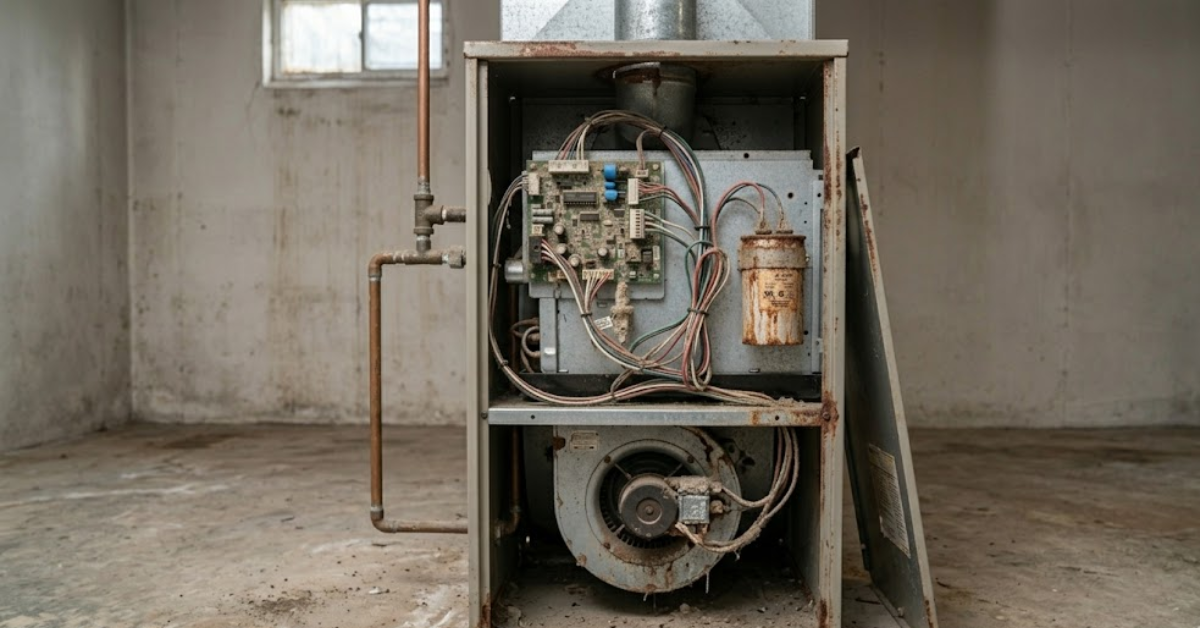
Repair your furnace if it is under 12 years old and the fix costs less than $500. Replace it if it is over 15 years old, has needed repeated repairs, or the repair cost multiplied by its age exceeds $5,000. Read on to apply these thresholds to your exact situation.
Key Takeaways
- Furnaces typically last 15 to 25 years with proper maintenance
- Use the $5,000 Rule: repair cost x furnace age. If the result exceeds $5,000, replace it
- Two or more major repairs within 12 months is a strong signal to replace
- A cracked heat exchanger is a safety issue that almost always means replacement
- Upgrading from an 80% AFUE furnace to a 96% model can save $250 to $400 per year on heating bills
How Long Does a Furnace Actually Last?
Most homeowners are surprised to learn that a well-maintained furnace can serve a home for much longer than expected. Furnaces last 18 to 25 years with proper maintenance. That said, age alone does not tell the whole story.
Average Furnace Lifespan by Type
Different furnace types have different lifespans, and knowing yours helps you plan ahead:
- Gas furnaces: 15 to 20 years on average
- Electric furnaces: 20 to 30 years due to fewer moving parts and no combustion
- Oil furnaces: 15 to 25 years depending on maintenance history
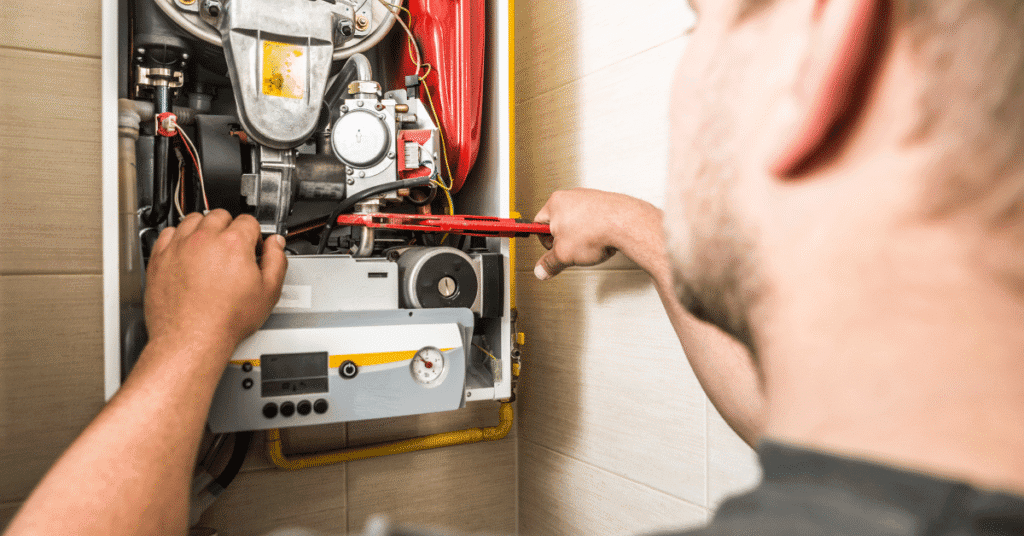
Annual inspections, filter changes, and coil cleanings help ease the strain on key parts and prevent major breakdowns. Staying on a regular maintenance schedule also protects efficiency and indoor air quality, resulting in lower energy bills and fewer unexpected repairs. (Source: HomeAdvisor HVAC Research Team, 2026).
How Washington State Winters Affect Furnace Wear
Washington homeowners face a real challenge. The Auburn area experiences long, wet, and cold winters that push heating systems to run for extended periods. More operating hours means more wear on key components like the heat exchanger, blower motor, and ignition system. A furnace that might last 20 years in a mild climate could start showing strain at 14 or 15 years in the Pacific Northwest.
“With proper upkeep, most HVAC systems last 15 to 25 years. Staying on a regular maintenance schedule protects efficiency and indoor air quality, resulting in lower energy bills and fewer unexpected repairs.” – HomeAdvisor HVAC Research Team
When Does Repairing Your Furnace Make Sense?
Repair is not always the wrong answer. In several situations, it is the smartest financial decision you can make.
Your Furnace Is Under 12 Years Old
Choosing to repair your HVAC equipment makes sense if your furnace is fairly recent or still under warranty. A professional technician can restore your comfort without the expense of a total upgrade.
A furnace under 12 years old still has significant life ahead of it. Even a moderately expensive repair, like a blower motor replacement ranging from $400 to $700, makes sense when the system has 8 to 10 years of reliable service remaining.
The Repair Is Minor and Isolated
Some furnace issues are genuinely small and easy to resolve. Common minor repairs that do not justify replacement include:
- Flame sensor replacement: $75 to $200
- Faulty thermostat connection: $100 to $300
- Ignitor replacement: $150 to $300
- Clogged filter or drain line: $75 to $150
Issues like clogged filters, thermostat malfunctions, or minor electrical problems are usually economical to resolve. The cost of furnace repair is less than replacement, especially if your system is still within the average lifespan of a furnace. (Source: Covington Air Systems, 2025)
You can also review common furnace problems to understand whether your issue is a minor fix or a deeper system concern.
Your System Is Still Under Warranty
If your furnace is within its manufacturer warranty period, many parts will be covered at no cost to you. Most new furnaces carry a 5 to 10 year parts warranty. Choosing replacement during this window means throwing away coverage you have already paid for. Always check your warranty documentation before calling for a replacement quote.
When Should You Replace Your Furnace Instead?
There are clear signals that repair is no longer the right move. Knowing these thresholds helps you avoid pouring money into a system that is nearing the end of its life.
Apply the $5,000 Rule
This is the single most reliable formula for making the repair vs. replace decision. Multiply the repair cost by the furnace age. If the result exceeds $5,000, replace it. This formula accounts for the likelihood of additional repairs as equipment ages. (Source: Budget Heating and Air Conditioning, 2025)
Here is how the math looks in real scenarios:
| Furnace Age | Repair Cost | $5,000 Rule Result | Recommendation |
| 10 years | $400 | $4,000 | Repair |
| 14 years | $350 | $4,900 | Repair (borderline) |
| 15 years | $400 | $6,000 | Replace |
| 18 years | $300 | $5,400 | Replace |
| 20 years | $250 | $5,000 | Replace |
You can also check the warning signs your furnace needs repair to understand whether your current situation is a minor issue or a deeper system problem.
Repeated Breakdowns Within the Same Year
Multiple repairs within 12 months means underlying deterioration. Heat exchangers crack. Blower motors fail. Ignition systems wear out. Each repair buys temporary relief while your furnace continues aging.
One repair every few years is completely normal. But when your furnace needs two or more major fixes in a single heating season, you are no longer fixing a problem. You are delaying the inevitable at increasing cost.
Rising Energy Bills and Uneven Heating
Rising heating bills indicate efficiency loss. Compare current bills to 3 to 5 years ago, accounting for fuel price changes. A 20 to 30 percent increase suggests your furnace is working harder than it should.
Uneven heating is another strong signal. When some rooms are cold while others overheat, it often means the blower motor is weakening or the system can no longer distribute heat effectively. These are problems a repair cannot always solve.
Our guide on common furnace problems explains each of these symptoms in more detail.
What Are the Safety Warning Signs You Should Never Ignore?
Some furnace problems go beyond comfort and cost. They are safety hazards that require immediate attention.
Is a Cracked Heat Exchanger Dangerous?
Yes, and it is one of the most serious furnace problems a homeowner can face. The heat exchanger separates combustion gases from the air circulating through your home. When it cracks, carbon monoxide can leak into your living space.
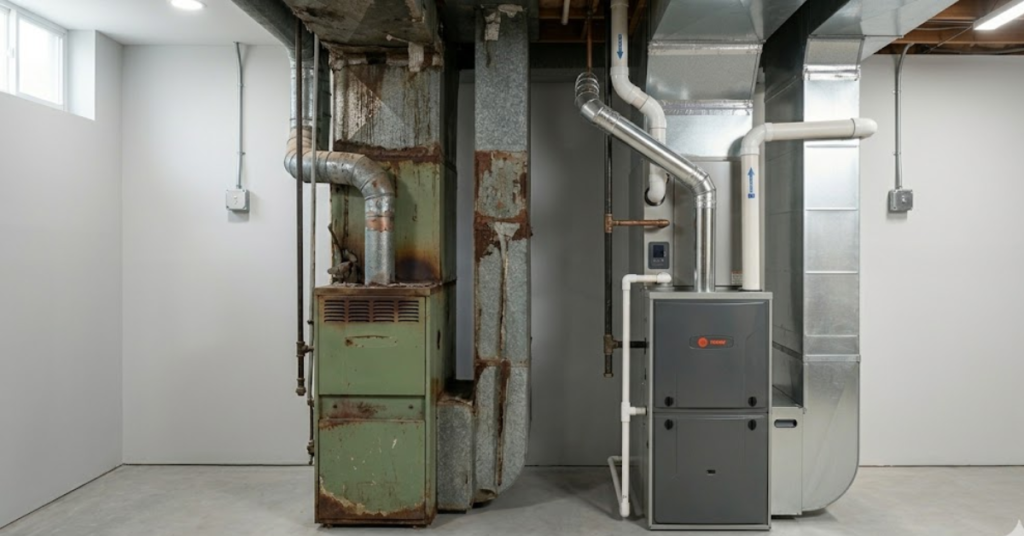
A cracked heat exchanger is a serious problem that can lead to dangerous carbon monoxide leaks, posing significant health risks. If this happens, you will likely need to replace the entire furnace.
Replacing just the heat exchanger can cost up to $3,500. On an older system, that investment rarely makes financial sense compared to the cost of a new, safer unit.
Unusual Noises and Burning Smells
Banging, rattling, squealing, or a persistent burning smell are not minor nuisances. They are your furnace communicating that something is wrong. These symptoms often point to:
- Banging: Delayed ignition or a cracked heat exchanger
- Rattling: Loose panels or a failing blower motor
- Squealing: Worn belt or bearing issues
- Burning smell: Dust buildup, electrical issues, or overheating components
Aging units can create risks such as carbon monoxide leaks, while modern, high-efficiency furnaces deliver better performance and lower bills.
If you notice any of these signs, consider scheduling an inspection right away. You can learn more on our furnace problems during Washington winters page.
How Much Does Furnace Repair vs. Replacement Cost?
Understanding the numbers helps you evaluate whether a repair truly saves money or just delays a larger expense.
Typical Repair Cost Ranges
A furnace replacement ranges from $3,200 to $6,000, depending on your home’s specific needs and your budget. Common repair costs fall well below that threshold, but major component failures can close that gap quickly. (Source: HomeAdvisor, 2026)
| Repair Type | Estimated Cost |
| Ignitor replacement | $150 to $300 |
| Flame sensor replacement | $75 to $200 |
| Blower motor replacement | $400 to $700 |
| Control board replacement | $500 to $900 |
| Heat exchanger replacement | $1,500 to $3,500 |
Labor can account for as much as 50 percent of the total project cost. An initial HVAC service call typically costs between $100 and $250, and that is just for the contractor’s assessment and diagnosis. (Source: Angi, 2026)
New Furnace Installation Costs and Efficiency Savings
A 96% AFUE condensing furnace saves $250 to $400 annually compared to an 80% model, paying for the efficiency upgrade in 5 to 8 years. Federal regulations in 2028 will require 95% minimum efficiency, making high-efficiency models the smart choice today. (Source: Budget Heating and Air Conditioning, 2025)
Over a 10-year period, that efficiency improvement could put $2,500 to $4,000 back in your pocket through lower heating bills alone.
Air Pro Solutions offers flexible HVAC financing options that can make replacement far more accessible than paying the full cost upfront. Understanding the average lifespan of a furnace and air conditioner can also help you plan for future costs before they become an emergency.
How to Make the Final Call
You now have the key decision-making tools. Here is how to bring them together before making any commitment.
Questions to Ask Before You Decide
Work through this checklist before you commit to either repair or replacement:
- How old is my furnace?
- What does the repair cost multiplied by the furnace age equal?
- Have I had two or more major repairs in the past 12 months?
- Have my heating bills increased by more than 20 to 25 percent in the last few years?
- Is there a safety issue involved, such as a cracked heat exchanger or CO alarm?
- Will I be in this home for more than 5 years?
If your answers point toward replacement, the investment in a new system will almost always pay off. Most homeowners who choose replacement end up happier in the long run, especially if their furnace is over 15 years old.
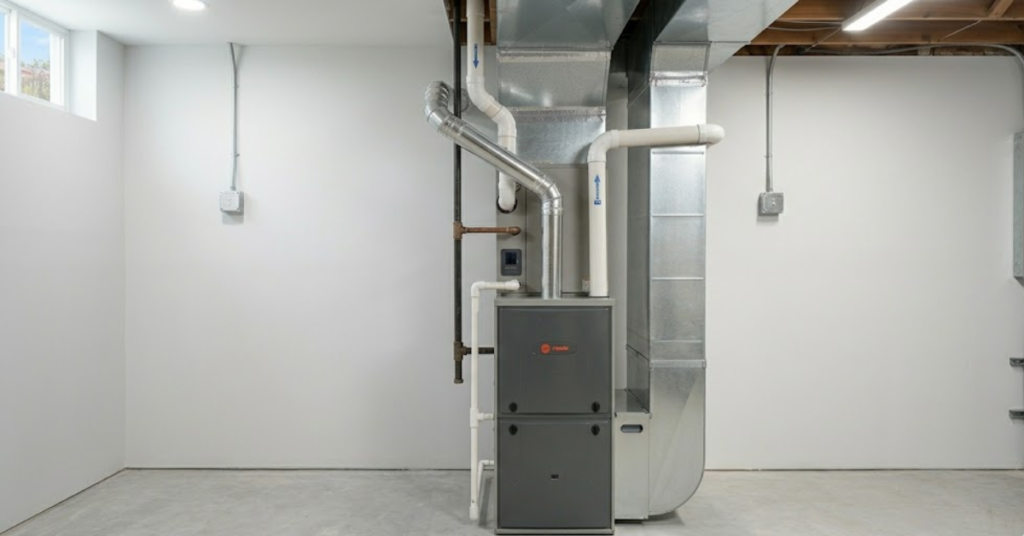
Why Does a Professional Assessment Matter?
The numbers only tell part of the story. A licensed technician can assess whether your current system has additional hidden wear, whether your ductwork is contributing to the problem, and which replacement option is correctly sized for your home.
A licensed HVAC technician can help you assess the pros and cons, explain the warranty on new furnaces, and recommend complementary add-ons like smart thermostats. Professional input lets you make more educated, smart choices for your long-term comfort.
Making a Confident Decision About Your Furnace
Deciding whether to repair or replace your furnace does not need to be stressful. Use the $5,000 Rule as your starting point, pay attention to how often your system is breaking down, and take safety concerns seriously. If your furnace is under 12 years old and needs a minor fix, repair is usually the right call. If it is 15 or more years old, struggling to heat your home evenly, and costing more each year in bills and repairs, replacement is the smarter long-term investment.
If you are not sure where your situation falls, Air Pro Solutions is here to help. Reach out to our team for a professional assessment, and we will walk you through your options with straightforward, honest advice.
Explore our professional heating services in Auburn, WA, or contact us today to schedule an inspection.