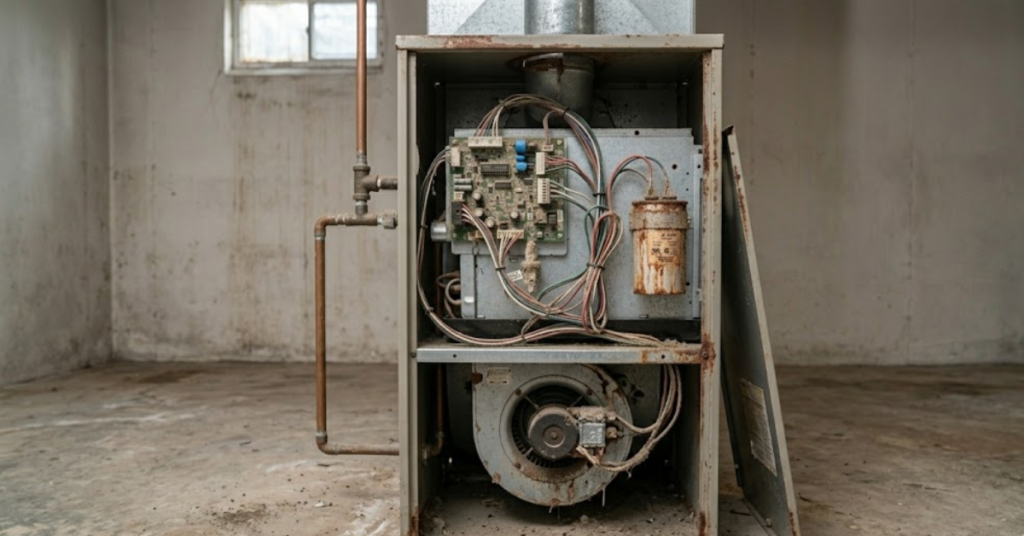








Winterizing your home’s heating system means scheduling a professional tune-up, replacing the air filter, checking for duct leaks, testing your thermostat settings, and verifying that safety devices like carbon monoxide detectors are functioning.
For Auburn, WA homeowners, this process should begin in early fall ideally 4 to 6 weeks before the first expected cold stretch to avoid the seasonal rush and catch any problems before they become expensive repairs. Done correctly, these steps can reduce your winter heating costs by 10% to 20% while keeping your system reliable all season.
Nobody wants to discover a broken furnace on a cold, damp Pacific Northwest morning. Auburn winters bring persistent rain, occasional freezes, and damp air that puts real stress on heating equipment. The good news is that a structured winterization routine protects your investment, keeps your family comfortable, and helps you avoid emergency service calls. This guide walks you through every step.
Key Takeaways
- Schedule a professional HVAC tune-up in early fall, before the first cold snap hits Auburn
- Replace furnace filters every 1 to 3 months during peak heating season
- Sealing duct leaks can improve heating efficiency by up to 20%, according to ENERGY STAR
- Set your thermostat to 68°F when home; lower it 7 to 10°F at night or when away to save roughly 10% on heating costs
- Test carbon monoxide detectors every fall before firing up your furnace for the season
- Heat pumps are common in the Pacific Northwest and need specific winterization steps
Why Winterizing Your Heating System Matters in the Pacific Northwest
Winterization is not just a checklist item. It is the single most effective thing Auburn homeowners can do to extend equipment life and control heating bills.
What Pacific Northwest Winters Actually Do to Your HVAC
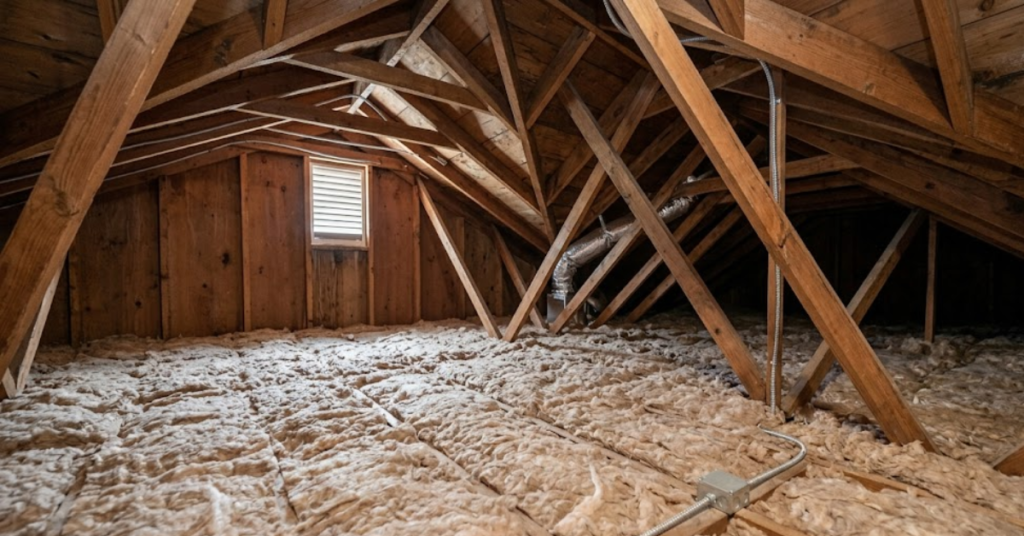
Winters west of the Cascades are defined by moisture, not just cold. Crawl spaces flood, condensation builds up in ductwork, and heat pumps work harder than furnaces in other climates because they pull heat from wet, cool outdoor air rather than dry freezing air.
According to the South Sound Inspections winterization checklist, Pacific Northwest winters bring persistent rain, damp conditions, windstorms, occasional snow, and freezing temperatures that create serious moisture-related risks for homes. Even brief temperature drops can cause pipe damage and stress heating equipment that hasn’t been serviced.
How Skipping Maintenance Costs You More in the Long Run
A heating system that hasn’t been serviced will work harder to reach your target temperature. That extra strain drives up energy bills and accelerates wear on mechanical components.
According to ENERGY STAR, nearly half of the energy used in a typical home goes to heating and cooling. That means even a modest efficiency drop has a measurable effect on your monthly bill. A professional annual tune-up can pay for itself quickly through reduced energy consumption and fewer repair calls.
Industry Note: As ENERGY STAR states in their heating and cooling guidance, “just as a tune-up for your car can improve your gas mileage, a yearly tune-up of your heating and cooling system can improve efficiency and comfort.”
Step 1: Schedule a Professional Heating System Tune-Up
The most important step you can take is booking a professional inspection before winter begins. A licensed HVAC technician will identify issues that are invisible to the homeowner and verify that every component is operating safely and efficiently.
The Air Pro Solutions guide to preparing your furnace for winter in Auburn covers what this process looks like for local homeowners specifically.
What Does a Professional HVAC Inspection Cover?
A comprehensive pre-winter tune-up typically includes:
- Inspecting the heat exchanger for cracks or corrosion
- Checking the ignition system, emergency shutoff, and safety controls
- Testing thermostat calibration for accurate temperature readings
- Checking for duct leaks that could be causing heat loss
- Cleaning burners and internal components
- Lubricating moving parts to reduce friction and wear
- Verifying electrical connections are tight and safe
- Inspecting the flue pipe for blockages or damage
A technician can also spot common furnace problems during Washington winters before they turn into full breakdowns.
When Should You Book Your Tune-Up?
Aim to schedule your tune-up in September or October. HVAC companies tend to book up quickly once cold weather arrives and homeowners realize their heat isn’t working as expected. Booking early gives you more scheduling flexibility and ensures your system is ready before the rainy season sets in.
Step 2: Replace or Clean Your Furnace Filter
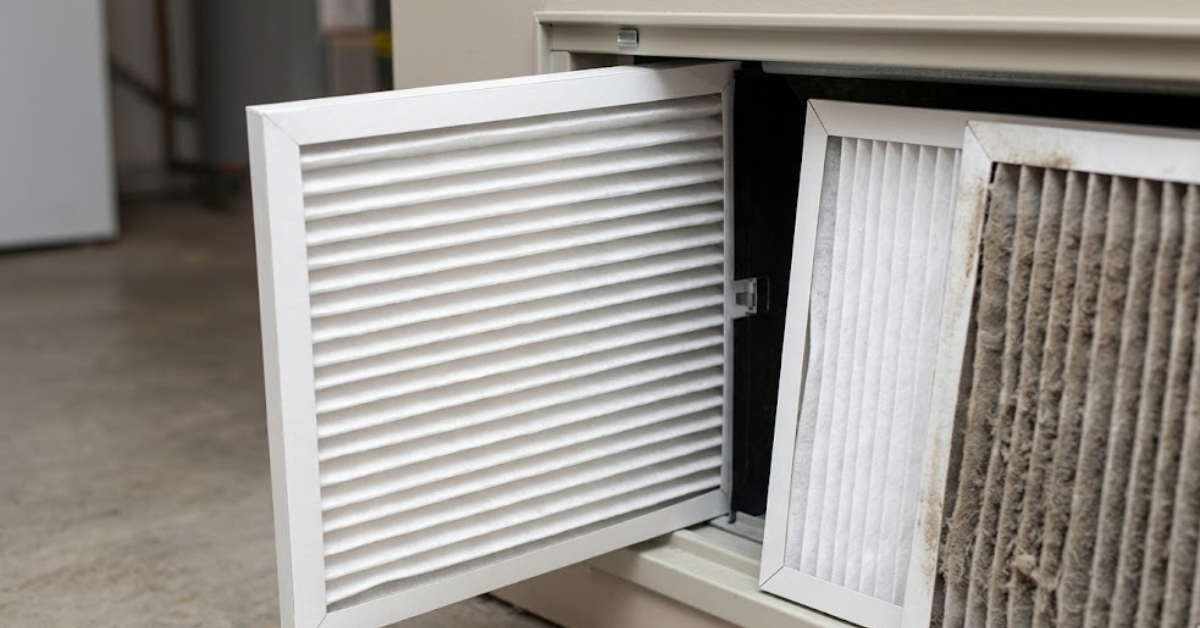
Replacing your furnace filter is the simplest, most impactful DIY step in the entire winterization process. A clogged filter restricts airflow, forces your heating system to work harder, and can shorten the life of your equipment.
How Often Should You Change Your Filter in Winter?
ENERGY STAR recommends checking your filter every month during heavy use seasons like winter and summer. If the filter looks dirty after a month, replace it. At minimum, swap it out every 3 months.
For Auburn homeowners with pets, older duct systems, or dusty living environments, a monthly replacement schedule during peak heating months is a reasonable precaution.
Dirty air filters affect your home in multiple ways beyond just system efficiency. They also degrade indoor air quality and can allow dust and debris to build up inside your system, leading to more expensive maintenance down the road.
The Seattle Credit Union’s winter preparation resource notes that some experts recommend electrostatic filters, which can trap around 88% of airborne debris and may be more effective at controlling bacteria, mold, and particles that cause illness.
What Happens If You Ignore a Dirty Filter?
A blocked filter will:
- Slow airflow through your system significantly
- Force the furnace to run longer to reach your target temperature
- Increase your monthly energy bill
- Create strain that shortens the operating life of your equipment
According to ENERGY STAR, a dirty filter will slow down airflow and make the system work harder to keep you warm, wasting energy and leading to early system failure.
Step 3: Check and Seal Your Ductwork
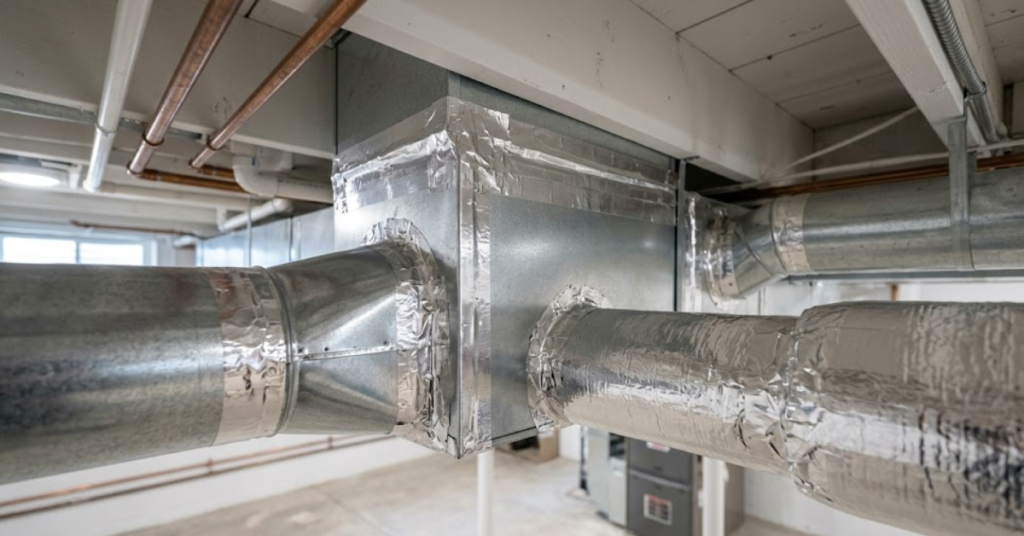
Leaky ducts are one of the most common and most overlooked sources of heat loss in Pacific Northwest homes. When conditioned air escapes into crawl spaces, walls, or attics before reaching your living areas, your furnace has to work harder and longer to compensate.
Signs Your Ducts Are Leaking Heat
Watch for these warning signs:
- Rooms that stay cold even when the furnace is running
- Noticeably higher energy bills with no change in usage habits
- Uneven temperatures between different areas of your home
- Excessive dust near supply vents
Should You Seal Ducts Yourself or Hire a Pro?
Light-duty sealing around accessible duct connections can be done with mastic sealant or metal-backed foil tape. However, ducts running through crawl spaces, attics, or unheated basements are better handled by a professional. Poor DIY sealing can actually trap moisture in duct joints, creating mold risk in the damp Pacific Northwest climate.
According to ENERGY STAR, sealing and insulating ducts can improve the efficiency of your heating and cooling system by as much as 20 percent. Focus first on ducts running through unconditioned spaces like attics, crawl spaces, and garages.
The Air Pro Solutions air duct repair service covers professional duct sealing and insulation for Auburn area homes. If you’ve noticed any of the warning signs above, a duct inspection is worth scheduling before winter.
Step 4: Upgrade Your Thermostat for Winter Efficiency
Your thermostat settings directly control how hard your heating system works. Small adjustments in how you program your thermostat can add up to significant savings over a full winter season.
What Temperature Should You Set Your Thermostat in Winter?
The U.S. Department of Energy recommends:
- 68°F (20°C) when you are home and awake
- 7 to 10°F lower when sleeping or away from home for extended periods
Adjusting your thermostat down by 7 to 10°F for 8 hours a day can save approximately 10% per year on your heating and cooling bills, according to the Department of Energy.
If you leave for a winter trip, set your thermostat to at least 50°F to protect your pipes while minimizing energy use.
Is a Smart Thermostat Worth It?
For most Auburn homeowners, yes. ENERGY STAR estimates that homes using a certified smart thermostat can save approximately $100 a year on heating and cooling. Smart thermostats learn your schedule, adjust temperatures automatically, and let you make changes remotely through a smartphone app.
HVAC tune-up services in Auburn often include thermostat calibration checks, which verify that your thermostat is reading and responding to temperatures accurately.
Step 5: Test Carbon Monoxide Detectors and Safety Controls
Every fall, before you run your furnace for the first time, test your carbon monoxide detectors and replace the batteries. This is a non-negotiable safety step.
Why Carbon Monoxide Risk Increases in Winter
When furnaces and other combustion appliances run for extended periods in tightly sealed homes, the risk of carbon monoxide buildup increases. CO is odorless and colorless, making detectors the only reliable way to detect a problem early.
The National Fire Protection Association notes that heating is the second leading cause of home fires in the United States, and home fires are more frequent in winter than any other season. Carbon monoxide risk follows a similar seasonal pattern.
Cracks in heat exchangers and blocked flue pipes are common causes of CO exposure. Both issues can be caught during a professional furnace inspection before they become dangerous.
Learn more about how to tell if carbon monoxide is leaking from your furnace and what to do if your alarm activates.
What to Do If Your Detector Goes Off
If your CO detector alarms:
- Get everyone out of the home immediately, including pets
- Leave the front door open as you exit
- Call 911 from outside or from a neighbor’s home
- Do not re-enter until emergency personnel have cleared the building
- Contact a licensed HVAC technician before using your heating system again
Step 6: Prepare Your Heat Pump for Cold Temperatures
Heat pumps are widely used across Auburn and the greater Pacific Northwest because they provide both heating and cooling in one efficient system. They do require specific winterization steps that differ from traditional furnaces.
How to Winterize a Heat Pump
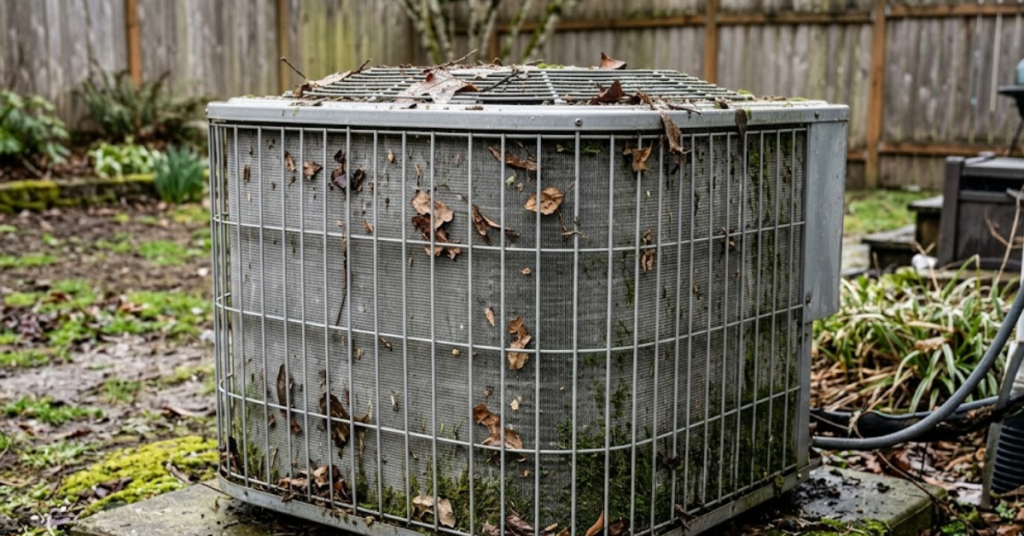
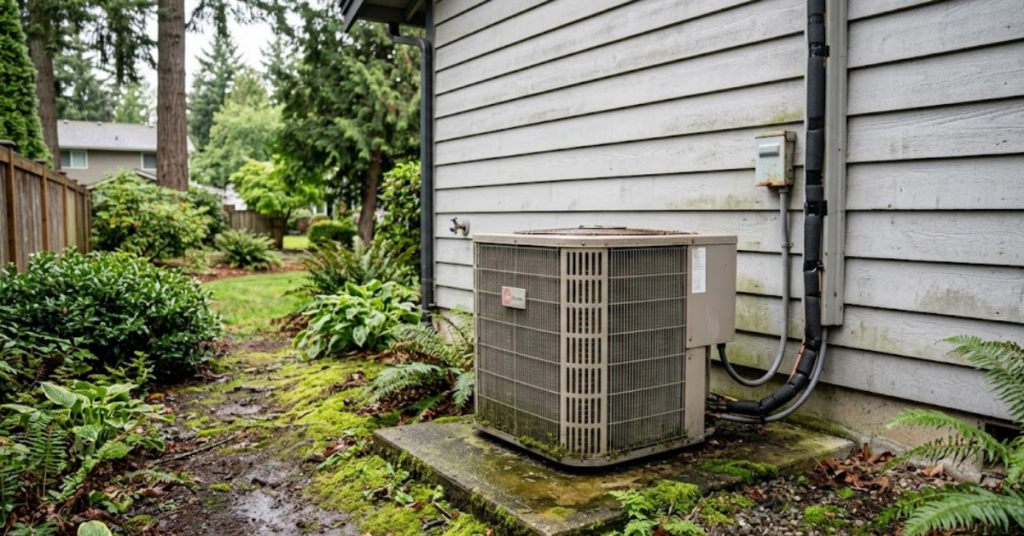
- Clear any debris, leaves, or vegetation from around the outdoor unit
- Check that the unit is level on its pad frost heave over winter can shift units out of alignment
- Verify that the defrost cycle is functioning properly; heat pumps naturally ice up in cold weather and need this cycle to clear buildup
- Never cover the entire outdoor unit; covering it traps moisture and can damage the system. If you cover anything at all, cover only the top to block falling debris
The Air Pro Solutions heat pump service page provides more detail on what a pre-winter heat pump inspection involves for local homeowners.
Troubleshooting Common Heat Pump Issues in Winter
Heat pumps can struggle when outdoor temperatures drop below about 30°F to 35°F. If your system is switching to emergency heat mode frequently, that’s a signal to have a technician evaluate whether the heat pump is sized correctly for your home or whether there is an underlying performance issue.
Step 7: Check Vents, Registers, and Airflow Throughout Your Home
Blocked or closed vents are one of the easiest things to fix and one of the most commonly overlooked. Before heating season, walk through your home and confirm that supply and return vents are open and unobstructed.
Common Airflow Blockers to Look For
- Furniture pushed against or over floor vents
- Area rugs sitting over supply registers
- Closed vent dampers that weren’t reopened after summer
- Curtains hanging in front of wall registers
Balanced airflow keeps your system from working harder than it needs to. An HVAC system that can’t push air evenly through your home will compensate by running longer cycles, which increases wear and energy costs.
Winterization Checklist for Auburn Homeowners
Use this quick-reference checklist each fall:
- Schedule professional furnace or heat pump tune-up (September or October)
- Replace furnace filter (and set a monthly reminder for winter months)
- Inspect accessible ductwork for visible leaks or disconnected joints
- Test thermostat accuracy and consider upgrading to a smart thermostat
- Replace carbon monoxide detector batteries and test all units
- Clear debris from around heat pump outdoor unit
- Walk through home and confirm all vents and registers are open and unobstructed
- Check weatherstripping on doors and windows to reduce heat loss
- Inspect attic and crawl space insulation if accessible
Conclusion
Winterizing your heating system in Auburn, WA comes down to one core principle: don’t wait for something to break. A professional tune-up, a clean filter, sealed ducts, calibrated thermostat settings, and functioning safety devices give your heating system the best possible start to the season.
The Pacific Northwest climate rewards homeowners who stay ahead of maintenance. Moisture, damp cold, and sudden freezing snaps create conditions where a neglected heating system will underperform or fail entirely at the worst possible time.
If you’d like help getting your heating system ready before winter, the team at Air Pro Solutions is here for Auburn area homeowners. Reach out to schedule your heating service and head into the season with confidence.