Skip to content













A dual fuel heat pump pairs an electric heat pump with a gas furnace. The heat pump heats your home on mild days, and the furnace takes over when it gets truly cold. For many Auburn homes that already have gas, our heat pump installation team sees this as a smart middle path.
Many homeowners in the Puget Sound area want lower bills and cleaner heat, but they don’t want to give up the steady warmth of gas during a freeze. A hybrid setup can give you both. Have a question about your own home? Call Air Pro Solutions at (253) 397-7220.
Key Takeaways
- Two heat sources, one thermostat. The heat pump runs most of the year, and the gas furnace covers the coldest hours.
- Western Washington fits well. Our mild, damp winters let the heat pump do most of the work.
- Rebates may apply. Puget Sound Energy offers a rebate for qualifying gas customers who add a hybrid heat pump.
- Setup matters. The switchover temperature decides how much you save, so it should be set with care.
- It suits homes with gas and ducts. Homes without gas or ductwork often do better with an all-electric heat pump or a ductless system.

What Is a Dual Fuel Heat Pump System?
A dual fuel heat pump system is a hybrid setup. It uses an electric heat pump as the main heat source and a gas furnace as the backup. Both parts share the same ductwork and one smart thermostat.
The heat pump moves heat from the outdoor air into your home. It doesn’t burn anything to make that heat. The furnace burns natural gas or propane, so it makes strong heat no matter how cold it is outside.
How the Two Parts Share the Work
In summer, the heat pump runs in reverse and cools your home like a central air conditioner. In spring and fall, it handles heating on its own. On the coldest nights, the thermostat shuts the heat pump off and lets the furnace run.
The U.S. Department of Energy notes that in a hybrid heat pump setup, the heat pump covers most heating in mild weather while the furnace steps in when it turns colder. Because both systems use the same ducts, adding a heat pump to a home with a furnace is often a simple upgrade.
What Is the Balance Point?
The balance point is the outdoor temperature where your heat pump can no longer keep up on its own. Below that point, the furnace is the better choice. Your installer sets a switchover temperature on the thermostat based on your home, your equipment, and your energy prices.
How Does a Dual Fuel Heat Pump Work in Auburn’s Climate?
Western Washington is a good fit for this type of system. Our winters are cool and wet, but long, deep freezes are not common. That means the heat pump can run for most of the heating season, and the furnace only works during cold snaps.
Modern heat pumps are also far more capable than older units. The Department of Energy says air-source heat pumps can cut the electricity used for heating by up to 75 percent compared with electric resistance heat, such as baseboards. It also notes that cold climate models are built to work at temperatures as low as 5°F.
A Typical Winter Day in a Hybrid Home
- Early morning frost: If it’s below your switchover point, the furnace warms the house fast.
- Mid-morning: As the outdoor air warms, the thermostat switches back to the heat pump.
- Afternoon: The heat pump holds a steady, even temperature at a low running cost.
- Evening: The heat pump keeps running unless the temperature drops past the setpoint again.
If you’d like to see why this kind of heat works so well here, our guide on heat pumps in Auburn covers the local climate in more detail.
Dual Fuel vs All-Electric Heat Pump vs Gas Furnace
The table below shows how a hybrid system stacks up against the two single-fuel options.
| Feature | Dual Fuel Heat Pump | All-Electric Heat Pump | Gas Furnace + AC |
|---|---|---|---|
| Main heat source | Heat pump, with gas backup | Heat pump, with electric backup strips | Gas furnace |
| Cooling | Yes, from the heat pump | Yes | Yes, from a separate AC |
| Needs a gas line | Yes | No | Yes |
| Cold snap comfort | Strong, furnace heat | Good, but backup strips cost more to run | Strong |
| Mild weather running cost | Low | Low | Depends on gas price |
| Backup if one part fails | Yes, two heat sources | Limited | No heat if the furnace fails |
| Fits homes without ducts | No | Yes, with ductless models | No |
When a Gas Furnace Alone Still Fits
If your furnace is fairly new and you don’t need cooling, you may not need a change right now. A tune-up and a plan for the future can be enough. Our gas furnace replacement options page explains what to expect when it’s time.
Is a Dual Fuel Heat Pump Worth It for Your Home?
For many Western Washington homes with gas and ducts, the answer is yes. You get efficient heat most of the year, air conditioning in summer, and strong backup heat in a freeze.
Signs Your Home Is a Good Fit
- You already have natural gas service and a working ducted furnace.
- Your old central AC is near the end of its life, or you have no AC at all.
- Your furnace is still in decent shape but your summers are getting warmer.
- You want lower heating costs without giving up gas heat during a freeze.
- You like having a backup if one part of the system needs repair.
Talking it through with a local expert can save you from buying the wrong system. Call Air Pro Solutions at (253) 397-7220 and ask us to look at your current furnace, ducts, and electrical panel before you decide. We’re available Monday to Friday, 7:30 AM to 8 PM.
What About Rebates in the Puget Sound Area?
Rebates can make a big difference. Puget Sound Energy offers a PSE hybrid rebate program of $1,500 for qualifying single-family natural gas customers who add a heat pump to a gas furnace. Income-based help of up to $2,400 may also be available through the contractor.
There are rules to meet. PSE requires a new, AHRI-certified central ducted air-source heat pump, so ductless units don’t qualify. The furnace lockout must be set to 35°F or below, and the work must be done by a contractor in PSE’s network. Always confirm the current terms before you sign a contract.

How Is a Dual Fuel Heat Pump Installed?
A good install starts with a careful look at your home, not a quick phone quote.
- Home visit: A technician checks your furnace, ductwork, electrical panel, and where the outdoor unit can sit.
- Load calculation: The team sizes the heat pump to your home, so it isn’t too big or too small.
- Furnace check: If your furnace is old or unsafe, replacing both parts together may be smarter.
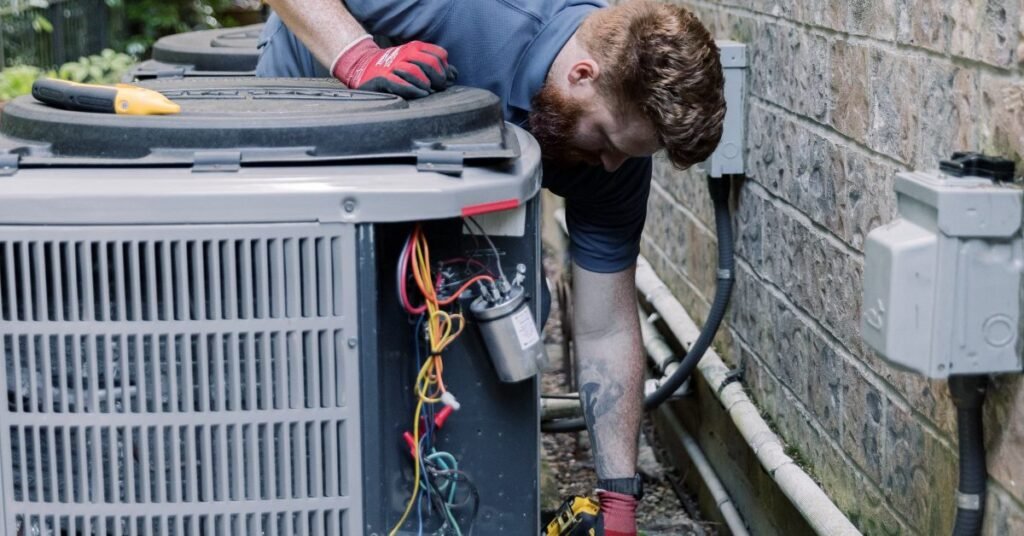
- Install: The outdoor unit, indoor coil, refrigerant lines, and wiring go in, usually in one to two days.
- Thermostat setup: The installer sets the switchover temperature and tests both heat sources.
- Walkthrough: You learn how the system works and what each setting means.
How Do You Maintain a Dual Fuel System?
A hybrid system has two machines, so it needs a little more care than one furnace. The good news is that the steps are simple. Most homes need one heating check in the fall and one cooling check in spring.
Simple Steps You Can Do at Home
- Check your air filter every month and change it when it looks dirty.
- Keep leaves, moss, and debris away from the outdoor unit.
- Leave at least two feet of open space around the outdoor unit.
- Watch for ice that doesn’t clear after a defrost cycle.
What a Professional Tune-Up Covers
During a tune-up, a technician checks refrigerant levels, cleans the coils, tests the burners and flame sensor, and inspects electrical parts. They also confirm the thermostat is switching between heat sources at the right time. Regular care helps both parts last longer, as our guide to how long furnaces last explains.
Frequently Asked Questions About Dual Fuel Heat Pumps
Is a dual fuel heat pump worth it?
For Western Washington homes with gas and ducts, a dual fuel heat pump is often worth it. You get efficient heat most of the year, cooling in summer, and strong backup heat during a freeze. Rebates for qualifying gas customers can lower the cost of adding the heat pump.
What is a dual-fuel heat pump system?
It is a hybrid system that pairs an electric heat pump with a gas or propane furnace. One thermostat controls both. The heat pump handles cooling and mild weather heating, and the furnace runs when outdoor temperatures drop below a set point. Both parts share the same ductwork in your home.
How does a dual fuel heat pump work?
The thermostat watches the outdoor temperature. Above the switchover point, the heat pump pulls heat from the outside air and moves it indoors. Below that point, the thermostat turns the heat pump off and starts the gas furnace. In summer, the heat pump runs in reverse to cool your home.
What is the $5000 AC rule?
The $5000 rule is a rough guide for repair or replace choices. You multiply the age of the unit by the repair cost. If the result is over $5,000, replacement is often the better value. It’s only a starting point, so a technician should also check safety and efficiency.
What maintenance does a dual fuel heat pump need?
A dual fuel heat pump needs a filter check every month and a clear outdoor unit. Plan for a professional heating tune-up in fall and a cooling tune-up in spring. The technician checks refrigerant, coils, burners, safety controls, and the thermostat switchover setting so both heat sources work well.
Thinking About a Hybrid Heat Pump in Auburn?
A dual fuel heat pump can be a great fit for many Western Washington homes. It lets you heat with efficient electricity most of the year, cool your home in summer, and keep gas as a strong backup when a cold snap rolls in.
Call Air Pro Solutions at (253) 397-7220 and ask for a home visit to see if a hybrid system fits your furnace, ducts, and budget. We’ll explain your choices in plain language, with no pressure. You can also contact our Auburn team online. We serve Auburn, Federal Way, Kent, Renton, Maple Valley, Covington, Bonney Lake, Des Moines, and SeaTac, Monday to Friday, 7:30 AM to 8 PM.