Skip to content







Washington homeowners should service their HVAC systems at least twice per year: once in spring before the cooling season and once in fall before the heating season. Heat pumps, which run year-round in Washington’s climate, need both visits as a minimum. Homes with older systems, pets, or allergy concerns may need more frequent attention.
That is the direct answer. Here is what the research and local climate data tell you about why that schedule matters in Washington specifically, how to apply it to your system type, and what signs mean you should not wait for the next scheduled visit.
Key Takeaways
- Washington homeowners should service their HVAC system at least twice per year: spring for cooling, fall for heating
- Heat pumps run year-round in WA and require spring and fall service as a minimum standard
- Neglected systems use up to 25% more energy than regularly maintained ones (U.S. Department of Energy)
- Regular maintenance extends HVAC lifespan by 5 to 7 years on average
- WA-specific factors – damp winters, wildfire smoke, and heat dome events make consistent service more critical here than in milder climates
- Homes with pets, allergies, or systems older than 10 years should consider additional service visits per year
Why Washington’s Climate Makes HVAC Service More Important Than Average
Washington’s climate places unusual and consistent stress on HVAC equipment. Understanding these regional factors helps explain why the twice-yearly standard is not optional for WA homeowners it is the responsible minimum.
Damp Winters Create Accelerated Equipment Wear
Western Washington experiences long, wet winters that create conditions HVAC systems in drier climates simply do not face. Moisture, moss, organic debris, and condensation build up around outdoor units throughout the heating season.
In the Pacific Northwest, damp air and organic debris like moss and leaves build up around outdoor units, corroding components and clogging coils. When coils stay dirty, your system has to work harder and uses more energy.
Clean coils matter significantly. Research published by WorkTrek shows that post-cleaning HVAC systems deliver 10 to 46% more airflow compared to uncleaned systems, with reductions in fan and blower energy consumption of 41 to 60% following professional cleaning.
The Auburn and Federal Way area heating season also runs long furnaces and heat pumps often operate for eight or more months per year. Extended run time accelerates wear on motors, burners, heat exchangers, and safety controls faster than in regions with shorter cold seasons.
Wildfire Smoke Is Now a Year-Round Air Quality Concern in WA
Wildfire smoke has shifted from an occasional nuisance to a recurring annual challenge across Washington state. During smoke events, airborne particulate matter forces HVAC air filters to work far beyond normal capacity.
King County Public Health officially advises homeowners to visually inspect filters during wildfire smoke events to ensure they are not thickly coated with dust. A filter that tested clean in April can be heavily loaded by August if smoke events occur. A clogged filter does not just reduce air quality it restricts airflow, forces the blower motor to work harder, and accelerates component wear.
Scheduled professional service ensures your filtration system is actually capable of protecting your family when smoke arrives.
Heat Dome Events Are Straining Cooling Systems Across the Region
The Pacific Northwest experienced its most extreme heat event on record in 2021, with temperatures exceeding 108°F in some Washington communities well above the historical norm. King County temperature data shows average August highs near 79°F, but recent years have pushed cooling systems into conditions they were never originally designed to handle regularly.
Summer heat waves in the Pacific Northwest put real strain on cooling equipment. A well-maintained system handles that load, keeps utility bills in check, and lasts years longer. Systems that have not been professionally serviced are statistically more likely to fail on the hottest days, when demand for emergency repairs is highest and appointment availability is lowest.

Need a hand with this at home? Air Pro Solutions provides seasonal HVAC tune-ups for homeowners across South King County.
How Often Should You Service Your HVAC System in WA? A Practical Schedule
The Twice-a-Year Standard for Washington Homeowners
The professional consensus for Washington homeowners is clear and consistent across regional HVAC authorities.
The general recommendation is to service your HVAC system at least twice a year: once in the spring, before the cooling season starts, and once in the fall, before colder temperatures arrive, so your heating system is in top shape.
King County Public Health supports this schedule from a public health standpoint, advising that if a system has both heating and cooling functions, the heating side should be checked in the fall and air conditioning checked in the spring. This guidance comes directly from a government health authority and applies to all residential properties in King County.
The financial case for this schedule is equally strong. According to the U.S. Department of Energy, an HVAC system that is not regularly maintained can use up to 25% more energy than a serviced system. A 10% reduction in energy use alone can translate to hundreds of dollars in annual savings depending on system size and usage patterns.
Spring Service: When to Schedule and What It Covers
Target window: Late February through early April
Scheduling your spring AC or heat pump tune-up in late February, March, or early April gives you maximum flexibility and access to technician availability before the summer rush begins. Spring is usually a quieter time for HVAC technicians, so it is easier to get the appointment time you want.
Spring service for WA homes should include:
- Cleaning indoor and outdoor coils thoroughly
- Inspecting and testing refrigerant-related components
- Checking the condensate drain for blockages
- Verifying fan operation and all electrical connections
- Testing system start-up and shut-down sequences
- Measuring performance to confirm efficient cooling output
- Inspecting and replacing air filters as needed
Fall Service: When to Schedule and What It Covers
Target window: September through mid-October
Fall service should be completed before temperatures drop consistently below 50°F in the Auburn area, which typically begins in late October. Waiting until November risks scheduling conflicts during the first cold snaps of the season, when service demand spikes rapidly.
Fall service for WA homes should include:
- Inspecting and cleaning burners and flame sensors
- Examining the heat exchanger for cracks or damage
- Checking blower components, motors, and belts
- Verifying airflow through ducts and registers
- Testing all safety controls and gas connections
- Checking ignition systems for reliable operation
- Calibrating thermostat accuracy and operation
Heat exchanger inspections are a critical safety step: catching a cracked heat exchanger during a fall tune-up prevents what could become a dangerous carbon monoxide situation during the winter months.
Does Your System Type Change the Service Schedule in Washington?
| System Type | Minimum Service Frequency | WA-Specific Notes |
| Heat pump | Twice per year (spring + fall) | Runs year-round; humidity adds strain |
| Gas or electric furnace + central AC | Twice per year (fall + spring respectively) | Standard bi-annual schedule applies |
| Ductless mini-split | Annually + DIY filter cleaning monthly | Wall-mounted filters clog faster in WA |
| Older system (10+ years) | Twice per year minimum; consider quarterly | More component wear; warranty concerns |
Heat Pumps: The Most Common System in WA and the One That Needs the Most Attention
Heat pumps are now the primary residential heating growth category in Washington, driven by electrification programs from Puget Sound Energy and Seattle City Light, along with federal incentive programs available under current clean energy legislation.
Unlike furnaces or air conditioners that handle only one season, heat pumps run continuously heating your home in winter and cooling it in summer. That year-round operation means faster component wear and a greater need for consistent professional attention.
Heat pump owners should schedule maintenance at least once a year. Ideally, have it serviced in both spring and fall to prepare for the cooling and heating seasons.
In Washington’s humid climate, heat pump coils are particularly vulnerable to moisture-related buildup and corrosion. Skipping a service visit means your system may enter either the heating or cooling season with reduced efficiency and a higher risk of mid-season failure.
Gas and Electric Furnaces With Central AC
For homes with separate furnace and central air conditioning systems, the standard twice-yearly schedule applies directly: furnace service in the fall, AC service in the spring.
One important note for WA homeowners: most HVAC equipment warranties require documented annual professional maintenance to remain valid. Skipping a service visit can void coverage on a system that may still have years of warranty remaining.
Ductless Mini-Splits: A Growing Category in Washington Homes
Ductless mini-splits are increasingly installed in Washington homes, particularly in older properties without existing ductwork. These systems require annual professional service plus more frequent DIY attention.
Because indoor mini-split units circulate air continuously through wall-mounted heads, their filters accumulate dust, pet hair, and particulate matter faster than centralized systems. Homeowners should clean or rinse mini-split filters every four to six weeks during periods of heavy use. Professional service annually or twice yearly for heavily used systems keeps the refrigerant circuit, coils, and drainage functioning properly.
What Factors Increase Your Service Frequency in WA?
Older Systems (10 Years or More)
System age is the single most important variable in determining how often professional service is needed.
Aging systems (11 to 15 years old) are the most prone to breakdown, with motors, belts, and coils requiring closer monitoring and more frequent replacement. For systems 16 years and older, energy efficiency may continue declining regardless of maintenance frequency, at which point replacement economics become relevant.
Older furnaces, AC units, and heat pumps often show more wear and need closer monitoring. For systems approaching or past the 10-year mark, twice-yearly service provides the technician with the ongoing visibility needed to track wear patterns and give you accurate guidance on repair-versus-replace decisions.
Pets, Allergies, and Indoor Air Quality Needs
Homes with pets or residents who have respiratory conditions place significantly higher demands on HVAC filtration. Pet hair, dander, and pollen clog filters faster, reduce airflow, and increase blower motor strain.
Pet hair, dander, and pollen can clog filters and reduce airflow quickly, stressing your system and worsening indoor air quality. In these homes, filter inspections every 30 days and professional service at least twice per year are the appropriate standard.
Washington’s wildfire smoke season adds an additional layer of concern for households with respiratory sensitivities. A filter that is already loaded with pet dander has virtually no remaining capacity to capture smoke particulate during an air quality event.
Heavy Use, Larger Homes, and Commercial Properties
Homes with large square footage, multiple zones, or systems that run continuously place above-average demand on HVAC equipment. The National Association of Home Builders has found that regular maintenance can extend the life of an HVAC system by up to 50%, but that benefit depends on service frequency matching actual usage intensity.
Commercial properties and multi-unit buildings in South King County may require quarterly professional inspections depending on system complexity, occupancy density, and operational hours.

What Does a Professional HVAC Service Visit in Auburn Include?
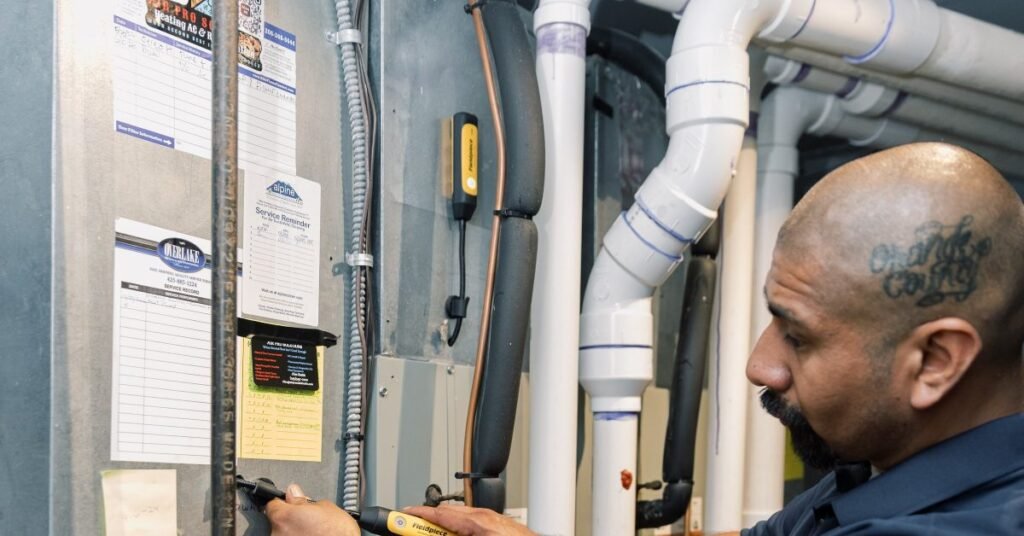
A professional tune-up from Air Pro Solutions follows a comprehensive checklist designed specifically for Washington’s climate conditions. Understanding what is covered helps you verify that your service visit is thorough, not superficial.
For a deeper look at exactly what is included, see our guide on the HVAC tune-up.
Heating System Service Checklist
- Inspect and clean burners, flame sensors, and heat exchanger
- Check blower assembly, motor, and drive belt condition
- Verify airflow volume through ducts and all registers
- Test all safety controls, including high-limit switches
- Check gas connections and combustion venting
- Inspect ignition system for reliable start-up
- Test and calibrate thermostat accuracy
- Replace or clean air filter
Cooling System and Heat Pump Service Checklist
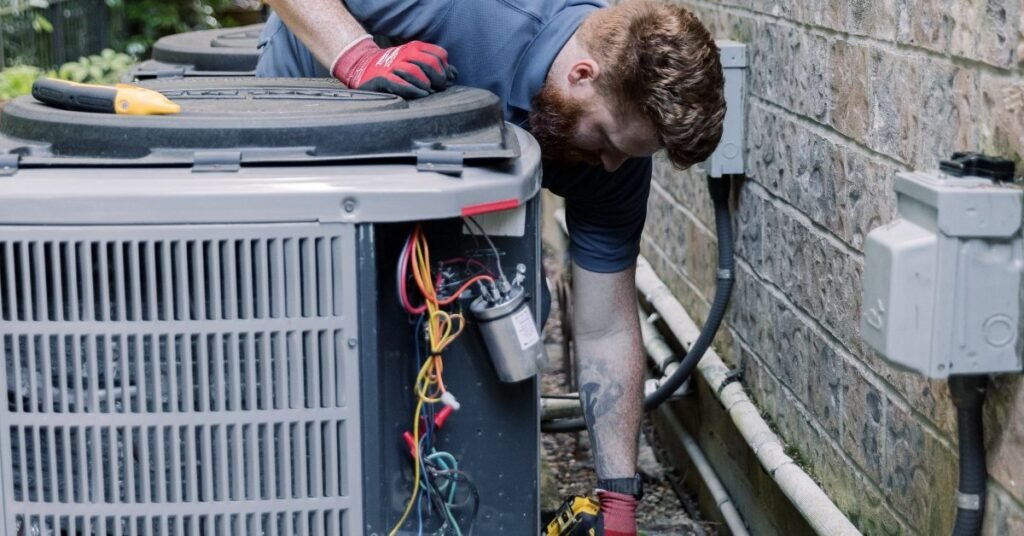
- Clean indoor evaporator coil and outdoor condenser coil
- Inspect refrigerant circuit and related components
- Clear and test condensate drain line
- Check all electrical connections and contactor condition
- Inspect and test capacitors and run components
- Verify fan motor operation and blade condition
- Measure system performance against manufacturer specifications
- Replace or clean air filter
Why Consistent Service Prevents Expensive Repairs
The financial case for regular maintenance is well documented. According to research from the Pacific Partners Consulting Group, every $1 of deferred maintenance becomes $4 in capital renewal costs. Emergency HVAC repairs cost 50 to 100% more than standard service calls, while running equipment to failure costs 3 to 10 times more than a proper maintenance program.
Research in Energy Engineering found that improved preventive maintenance leads to energy savings of 6% to 19% of total energy expenditure. For a typical Washington home, that represents meaningful monthly savings that compound over the life of the system.
Understanding how maintenance extends HVAC system lifespan in practical terms helps clarify why service is an investment, not an expense. Systems with regular professional maintenance last 5 to 7 years longer on average than neglected systems, according to industry data. That difference represents thousands of dollars in deferred replacement costs.
Signs Your System Needs Service Before the Next Scheduled Visit
Staying on a twice-yearly schedule is the foundation of good HVAC care in Washington. But certain warning signs mean you should call for service immediately rather than wait. Knowing the top reasons HVAC systems fail helps you act before a small problem becomes a complete breakdown.
Rising Energy Bills Without an Obvious Cause
An unexplained increase in your monthly utility bill is one of the clearest indicators that your HVAC system is struggling. When components are dirty or worn, the system uses more energy to deliver the same level of comfort. According to the U.S. Department of Energy, a poorly maintained system can consume up to 25% more energy than a serviced one.
If your bill has risen noticeably without a clear explanation like extreme weather or rate increases, schedule an inspection promptly.
Unusual Noises During Operation
Banging, grinding, whistling, rattling, or squealing sounds during operation are mechanical warning signs that should never be ignored. These sounds typically indicate:
- Banging or clanging: Loose or broken internal components
- Grinding: Worn motor bearings requiring immediate attention
- Whistling or hissing: Airflow restriction or refrigerant leak
- Rattling: Loose panels, debris in the system, or failing motor
These issues rarely self-correct and consistently worsen without professional attention.
Inconsistent Temperatures Across Your Home
If certain rooms in your home feel significantly hotter or colder than your thermostat setting, your system may be losing its ability to distribute air effectively. This can indicate duct leakage, a failing blower motor, a clogged filter, or refrigerant issues all of which require professional diagnosis.
Poor Air Quality, Humidity Problems, or Unusual Odors
Washington’s humid climate makes mold growth in ductwork and around indoor coils a genuine risk. Musty odors during system operation often indicate biological growth in moisture-prone areas of the system.
Burning smells may signal electrical issues or contact between components and debris. If humidity inside your home feels unusually high during the wet season or abnormally dry in winter, your system’s performance has shifted and warrants a professional inspection.

Keep Your Washington Home Comfortable Year-Round With Air Pro Solutions
Washington homeowners need a service schedule that matches the real demands of the Pacific Northwest climate. Twice-yearly professional service spring for your cooling system and fall for your heating system is the standard that protects your investment, keeps your energy bills in check, and ensures reliable comfort through every season.
Heat pump owners, households with pets or respiratory sensitivities, and owners of systems older than 10 years should discuss a customized maintenance schedule with their technician. The investment in proactive service consistently costs less than the reactive expense of emergency repairs or premature system replacement.
Air Pro Solutions provides professional heating services and cooling services for homes and businesses throughout Auburn, Federal Way, Kent, Renton, and the surrounding South King County communities. Our technicians understand Washington’s climate and bring that regional knowledge to every service visit.
Reach out to our team to schedule your next tune-up and keep your system running at its best before the season demands it.
Frequently Asked Questions About HVAC Service Frequency in Washington
Is annual service enough for Washington homeowners?
What month should I schedule HVAC service?
Does my heat pump need more service than a furnace in WA?
How much does HVAC service cost in South King County?
Do HVAC warranties require professional maintenance?
Need seasonal HVAC tune-ups?
Air Pro Solutions handles seasonal HVAC tune-ups for homes across Federal Way, Kent and the surrounding area. Our licensed technicians give honest recommendations and clear pricing before any work starts.
Call 253-397-7220 or request service online.
Air Pro Solutions Heating, Cooling & Electrical, Auburn, WA 98092