Skip to content







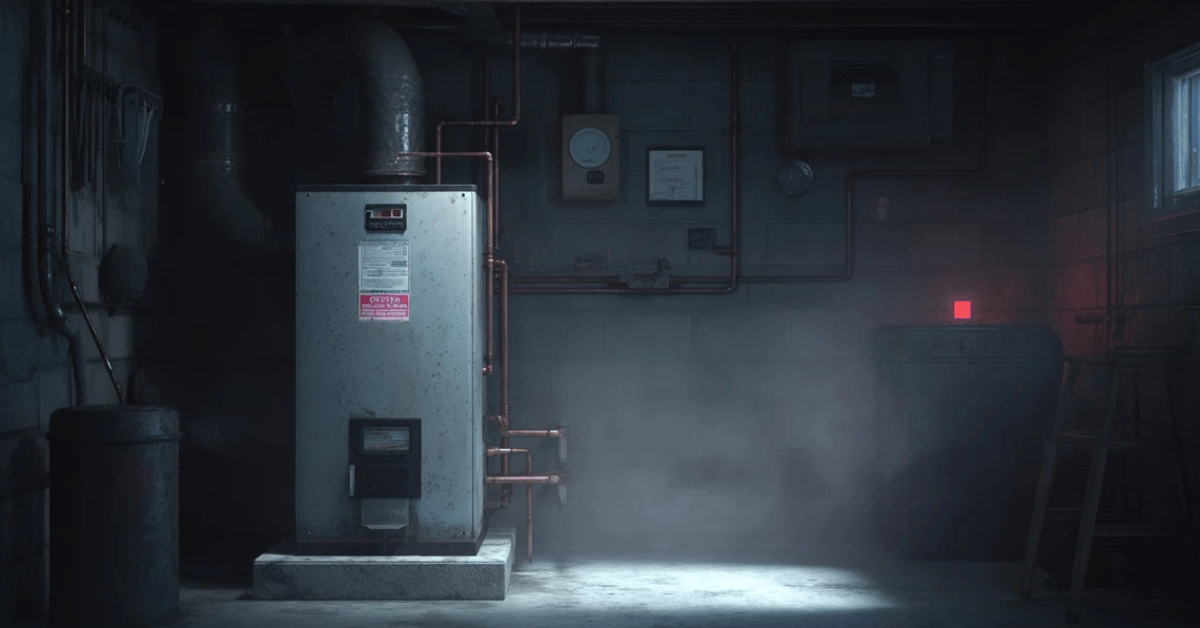
Carbon monoxide is often described as the silent killer because the gas is colorless and odorless. When a furnace develops a carbon monoxide leak, even small amounts of carbon monoxide in your home can put your family at risk. For any homeowner in Auburn WA, especially during long heating seasons, learning how to tell if carbon monoxide is leaking from your furnace is essential. If carbon monoxide is leaking, you could experience dangerous levels without even realizing it.
Signs Carbon Monoxide Is Leaking in Your Home
This guide explains the major warning sign indicators, what causes a leak in a gas furnace, how to improve indoor air quality, and when to call for professional cleaning, repair, installation, or emergency HVAC help. Learn the signs, protect yourself from carbon monoxide, and keep your home safe.
What Causes Carbon Monoxide Leaks From Furnaces?
Carbon monoxide is produced during the combustion process when fuel does not burn completely. A properly operating furnace pushes all combustion gases outdoors through its vent. However, a malfunctioning furnace or poor maintenance can cause a leak that allows dangerous amounts of carbon monoxide into your home.
Common issues that can indicate a carbon monoxide leak or cause a furnace to leak include:
- Cracked heat exchanger or cracked heat that lets carbon monoxide fumes escape instead of venting outdoors
- Blocked vent or exhaust obstruction caused by debris, ice, or nests
- Incomplete combustion from lack of furnace maintenance, resulting in excess soot or poor airflow
- Older furnaces with failing components
- A furnace can develop structural damage that leads to a leak carbon monoxide event
- Improper installation, neglected cleaning, or a malfunctioning gas furnace
Any of these conditions can cause a carbon monoxide leak or allow carbon monoxide into your home. Since carbon monoxide doesn’t produce scent or color, recognizing signs and symptoms is critical.
Physical Symptoms That Indicate a CO Leak
Often, the first signs of carbon monoxide exposure appear in your body before you notice changes in the heating system. Early symptoms of carbon monoxide poisoning or signs of carbon monoxide poisoning include:
- Constant headaches when the furnace runs
- Dizziness, fatigue, or nausea
- Shortness of breath, confusion, or loss of consciousness
- Symptoms that disappear when you leave the home and return when you come back
Because carbon monoxide is dangerous at even low levels, treat these signs and symptoms as an emergency. Pets may react sooner because of body size.
If you suspect a carbon monoxide leak or suspect carbon monoxide poisoning, evacuate immediately and seek medical attention. Do not re-enter your home until cleared.
Visual Warning Signs Around Your Furnace
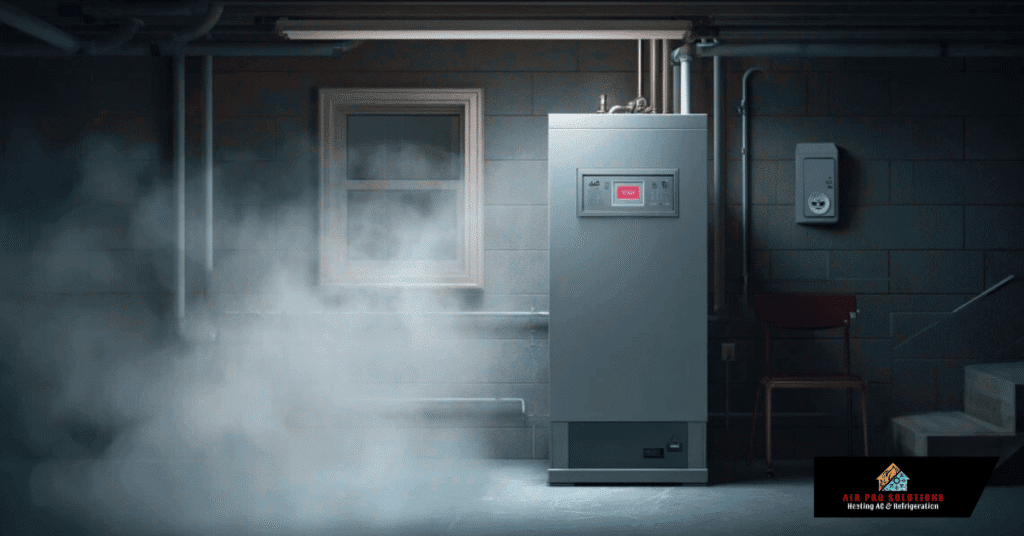
Visual cues around your furnace often reveal a potential carbon monoxide problem before serious poisoning symptoms occur. Watch for:
- Pilot light that burns yellow instead of blue (pilot light should burn steady blue)
- Excess soot, black streaks, or marks around your furnace
- Condensation on windows near your furnace or surrounding surfaces
- Rusting vent pipes or corrosion
- Stuffy, stale air or changes in air quality
These issues may mean your furnace is leaking carbon monoxide, the gas furnace is leaking, or the combustion process is failing. Schedule a furnace inspection or professional furnace repair right away.
How to Properly Detect Carbon Monoxide
While physical symptoms and visual indicators help, mechanical detection is essential. Much like smoke detectors, carbon monoxide detectors or carbon monoxide alarms alert you to rising carbon monoxide levels.
Placement and maintenance tips:
- Install detectors near the furnace and sleeping areas
- Test monthly
- Replace batteries yearly
- Replace entire units every 5 to 7 years
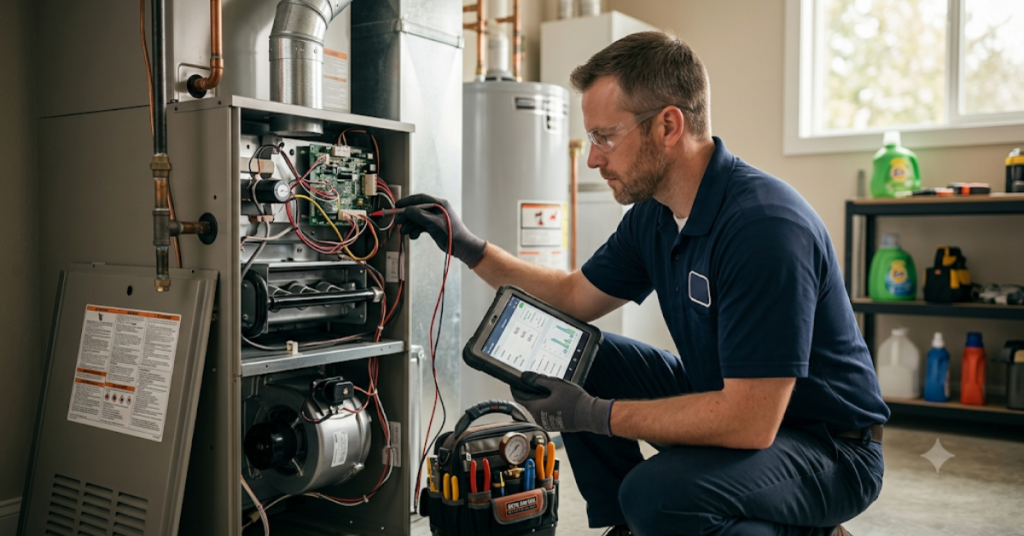
During regular maintenance, a trained technician checks the heat exchanger, venting, airflow, combustion efficiency, and ensures the furnace isn’t leaking carbon monoxide. Professional testing identifies dangerous levels of CO that homeowners cannot detect.
What to Do If You Suspect a Carbon Monoxide Leak
If a leak occurs, act quickly:
- Get everyone, including pets, outside immediately
- Call 911
- Do not re-enter your home until it is safe
- Only shut off the furnace if you can do so safely while exiting
- After emergency clearance, schedule a furnace inspection or professional furnace repair
- Do not use the furnace until repairs are complete
This protects your home and family from carbon monoxide poisoning and prevents future hazards.
Preventing Future Carbon Monoxide Leaks
Proactive care is the best way to prevent carbon monoxide leaks. Key steps include:
- Annual furnace maintenance and cleaning
- Clearing vents and chimneys to prevent blockage
- Monitoring carbon monoxide levels with detectors
- Addressing any noisy, irregular, or low-heat furnace performance immediately
- Scheduling professional furnace tune-ups before the cold season
- Ensuring proper installation and maintenance of all HVAC systems
These measures help keep your home safe and ensure your furnace operates properly throughout winter.
Protect Your Home With Professional Furnace Care
Knowing how to tell if your furnace is leaking CO helps you respond quickly, but consistent prevention and proper maintenance offer long-term safety. A malfunctioning furnace or incomplete combustion puts your home at risk, but with the right care, you can prevent carbon monoxide leaks and protect your family from carbon monoxide poisoning.
If you notice signs of a carbon monoxide issue, signs of carbon monoxide leaks, or any signs of a potential leak, take action right away. Regular furnace care, proper cleaning, and professional inspections ensure your system can safely heat your home.