 Skip to content
When Auburn, WA homeowners research heating and cooling options, the terms forced air and central air system often come up. While these may sound alike, they describe different parts of an HVAC system. Know the difference between Central vs Forced Air that helps you choose the right installation, repair, and maintenance service for your home.
At Air Pro Solutions, we explain these terms daily to help customers make smart decisions about heating and cooling.
What is a Central Air System?
A central air system is designed for cooling. This HVAC system uses ductwork to distribute cool air throughout the house from a single air conditioning unit.
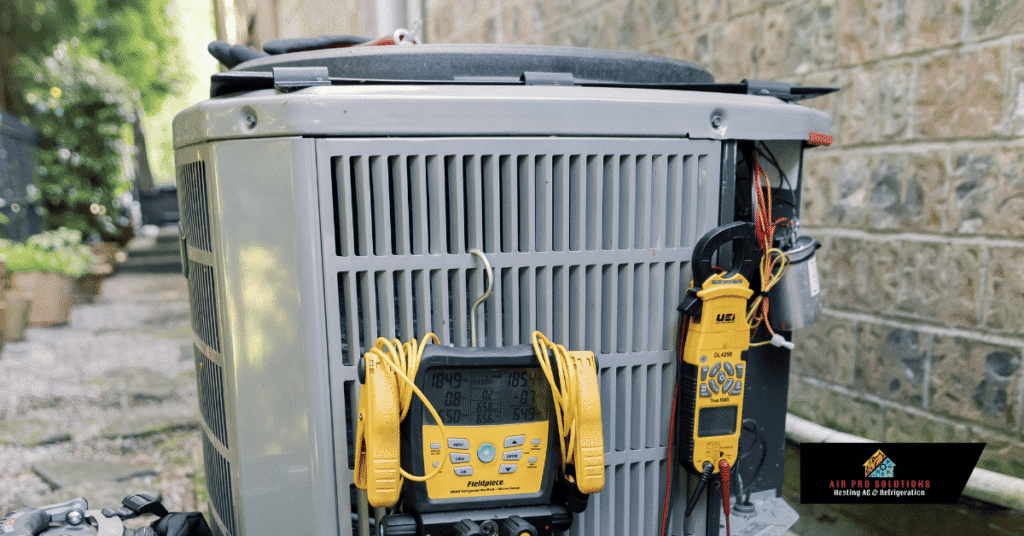
The process starts with an outdoor condenser and an indoor evaporator coil. Air passes over the coil, cools down, and the system uses ducts to send conditioned air to every room. This creates even comfort during hot Auburn summers.
Main components of central air:
- Outdoor condenser unit
- Indoor evaporator coil
- Air ducts and thermostat
A central air conditioning system is efficient at providing cool air but requires separate heating equipment like a furnace.
What is a Forced Air System?
The term forced air refers to the method of moving heated air or cooled air back into the home using a blower fan. Unlike central air, a forced-air system can provide both heating and cooling.
For example, a furnace or heat pump warms the air, and a fan distributes the air throughout the ducts. Adding an air conditioner or central air conditioning unit allows the same ducts to distribute cool air in summer.
Main parts of forced air systems:
- Furnace or heat pump
- Blower fan
- Air filters
- Ductwork
Forced air heating systems are common because they can handle year-round comfort. However, they require regular cleaning, repair, and filter replacement to avoid uneven heating and dust circulation.
Central vs Forced Air: Quick Comparison
| Feature | Central Air System | Forced Air System |
| Primary Function | Cooling only | Heating and cooling |
| Components | Outdoor condenser, indoor coil, ducts, thermostat | Furnace or heat pump, blower, ducts, filters |
| Energy Source | Electricity | Natural gas, propane, or electricity |
| Air Distribution | Ducts carry cool air | Ducts distribute warm air or cool air |
| Seasonal Use | Summer | Year-round |
| Maintenance Needs | Coil cleaning, filter changes, refrigerant checks | Furnace repair, blower cleaning, duct inspection |
| Best For | Homes needing cooling only | Homes needing both heating and cooling |
This table shows the difference between central air and forced air systems at a glance.
Pros and Cons of Central Air
Advantages:
- Provides conditioned air throughout the home
- Reliable cooling for large Auburn houses
- Integrates with programmable thermostats
Drawbacks:
- Cooling only, no heating
- Cost of installing central air is higher upfront
- Needs regular coil cleaning and repair
Pros and Cons of Forced Air
Advantages:
- One system for heating and cooling needs
- Distributes warm air or cool air quickly
- Works with upgrades like humidifiers or air purifiers
Drawbacks:
- Can lower indoor air quality if ducts are dirty
- Older systems may be noisy
- Requires frequent air filter cleaning and furnace repair
Systems are generally reliable, but forced air systems can also spread dust without proper air ducts cleaning.
Energy Efficiency Considerations
- Central Air Efficiency: Measured by SEER rating. A high SEER means less electricity used by the cooling system.
- Forced Air Efficiency: Heating efficiency is measured by AFUE. A higher AFUE means the furnace or heat pump wastes less fuel.
Compared to forced air systems, ductless mini split installation may offer higher efficiency since they avoid duct losses. These AC systems are useful when a home lacks ductwork.
Maintenance Needs of Each System
Regular service keeps HVAC systems running efficiently and prevents costly repair.
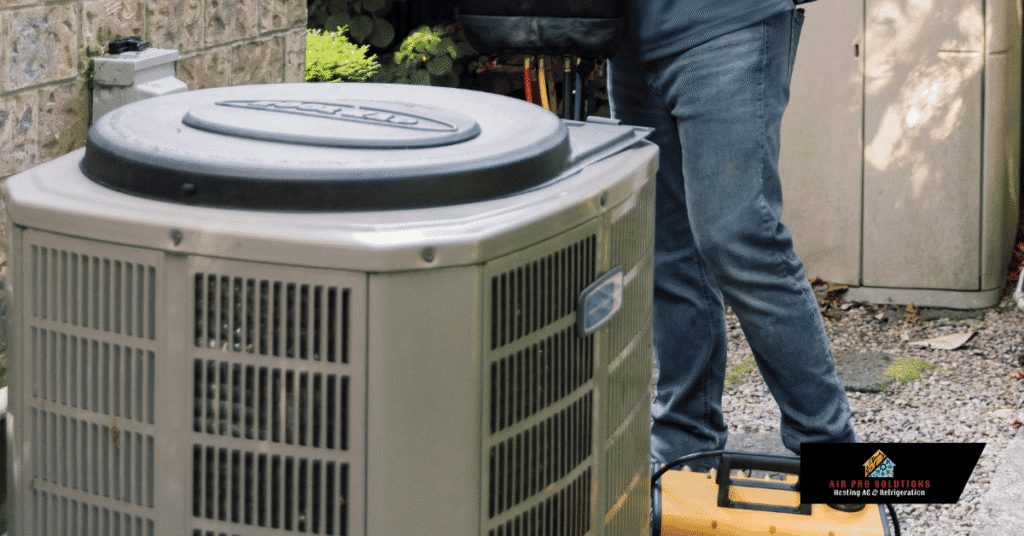
Central Air Service Includes:
- Coil cleaning
- Refrigerant checks
- Air filter replacement every 1–3 months
Forced Air Service Includes:
- Furnace inspection and repair before winter
- Blower fan and duct cleaning
- Checking air filters to improve air quality
Skipping maintenance increases the risk of high bills, system failure, or poor comfort. Installing a central or forced air system always requires consistent upkeep.
Which System is Right for Your Auburn Home?
Central Air is best if:
- You already have a separate heating system
- You want cool air throughout the home
- Your ductwork is ready for use
Forced Air is best if:
- You want both heating and cooling in one system
- You’re replacing a furnace or installing a new system
- You want quick heating in Auburn winters
If you lack ducts, a ductless cooling system may be better. The cost can vary, but professional guidance helps you select the right HVAC system.
Air Pro Solutions – Local HVAC Experts
At Air Pro Solutions, our technicians handle:
- Air conditioning repair and installation
- Furnace repair and heating service
- Heat pump installation for year-round comfort
- Ductless AC systems for homes without ducts
We focus on cleaning, repair, and installation that improve air quality by filtering dust and allergens. Whether you’re installing a central air system or upgrading your forced-air system, we provide trusted HVAC service in Auburn.

Conclusion – Deciding Between Forced Air and Central Air
Central air refers to the cooling system, while forced air refers to the method of distributing conditioned air throughout the house. Installing a central air system may suit homes needing only cooling, while a forced air heating system is ideal for year-round use.
If you’re deciding between forced air and central air, let Air Pro Solutions guide your HVAC installation, repair, and maintenance. Our experts ensure your indoor air stays clean, your comfort is reliable, and your system lasts for years.