Skip to content












Most HVAC emergencies in Auburn, WA can be responded to within 2 hours, with many common repairs completed the same day. Simple fixes like a failed capacitor or tripped breaker can be resolved in under an hour once a technician arrives. More complex repairs involving compressors, heat exchangers, or refrigerant leaks may take several hours or require a follow-up visit if specialized parts need to be ordered.
Key Takeaways
- Emergency response times in Auburn typically range from 30 minutes to 2 hours depending on technician availability and time of day
- Simple repairs like capacitor replacements, thermostat resets, or clogged drain lines can often be completed in 1 to 2 hours
- Complex repairs involving compressors, electrical components, or refrigerant leaks may take 4 to 8 hours or require parts ordering
- Emergency service calls typically include a diagnostic fee of $75 to $150, with after-hours surcharges of $50 to $150
- About 40% of HVAC emergencies start with thermostat malfunctions, which are often quick to diagnose and resolve
- Homeowners with maintenance plans get priority scheduling and faster response times during peak demand
What Counts as an HVAC Emergency in Auburn?
Not every HVAC problem requires an emergency call. Understanding the difference between a true emergency and a standard repair helps you avoid unnecessary after-hours fees and get the right level of service.
According to Aire Serv, an HVAC emergency is any situation that threatens your health, safety, or risks damaging your equipment. True emergencies include complete loss of heating during freezing temperatures, suspected carbon monoxide leaks, electrical sparking or burning smells, refrigerant leaks, and system failures during extreme heat.
If you notice a burning smell, shut off the system immediately and contact a professional. For suspected gas or carbon monoxide leaks, evacuate your home and call your utility provider first. Learn more about how to tell if carbon monoxide is leaking from your furnace.
Situations That Can Wait Until Business Hours
Some HVAC issues are inconvenient but not dangerous. These include minor temperature fluctuations, reduced airflow from a dirty filter, unusual sounds that aren’t accompanied by burning smells, and thermostat programming questions. Scheduling these during regular hours saves you the after-hours surcharge and still gets the problem resolved quickly.
How Long Do Common Emergency Repairs Take?
The repair timeline depends on what’s wrong with your system. Here’s what Auburn homeowners can typically expect.
| Repair Type | Estimated Time | Typical Cost Range |
|---|---|---|
| Thermostat replacement | 30 min to 1 hour | $150 to $350 |
| Capacitor or relay replacement | 1 to 2 hours | $150 to $400 |
| Clogged condensate drain | 30 min to 1 hour | $100 to $250 |
| Blower motor replacement | 2 to 4 hours | $400 to $900 |
| Refrigerant leak repair and recharge | 2 to 4 hours | $300 to $1,500 |
| Circuit board replacement | 2 to 3 hours | $250 to $600 |
| Compressor replacement | 4 to 8 hours | $1,500 to $3,000+ |
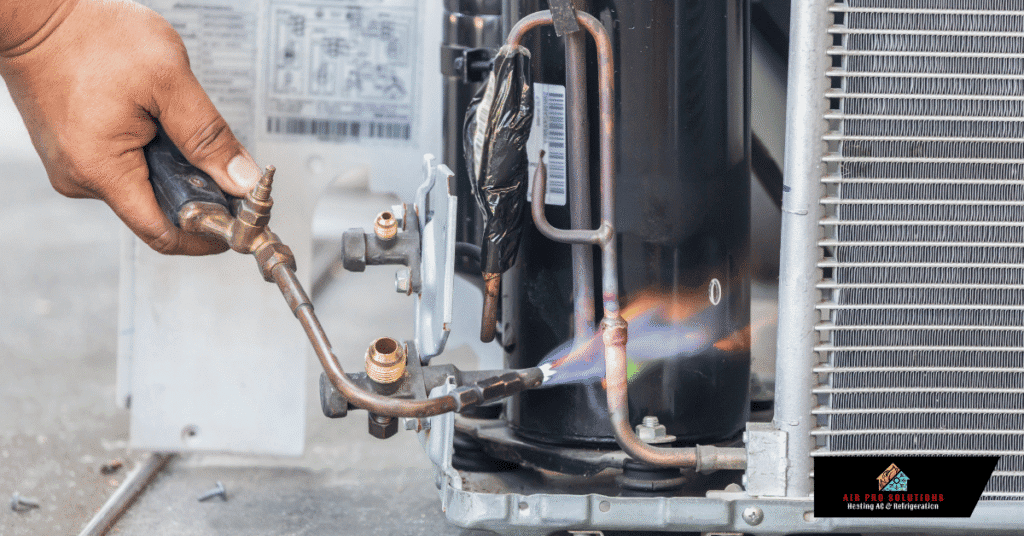
Most emergency HVAC technicians carry common parts like capacitors, relays, contactors, and fan motors on their service vehicles. This allows them to complete many repairs in a single visit. Larger components like compressors or heat exchangers may need to be ordered, which can add 1 to 3 business days.

What Affects Emergency Response Time in Auburn?
Several factors influence how quickly a technician can arrive at your home.
Time of Day and Season
During regular business hours (typically 8 a.m. to 5 p.m.), response times are fastest because more technicians are on the road. After-hours, weekend, and holiday calls take longer because fewer crews are available. Winter cold snaps and summer heat waves also increase call volume, stretching response times across the region.
Maintenance Plan Membership
Homeowners with an active HVAC maintenance plan typically receive priority scheduling, meaning their emergency calls are dispatched before non-members. This can make a significant difference during peak demand periods when wait times for non-members may stretch to 4 to 6 hours or longer.
Location and Accessibility
Your proximity to the service provider’s dispatch location matters. Auburn homeowners working with a local contractor get faster response times than those relying on companies based in Seattle or Tacoma. Easy access to your indoor and outdoor equipment also speeds up the repair process.
Steps to Take Before the Technician Arrives
While waiting for your emergency HVAC repair, there are several things you can do to stay safe, reduce potential damage, and help the technician work faster.
- Shut off the system at the thermostat if you notice burning smells, sparks, or smoke. For gas-related concerns, shut off the gas supply and evacuate.
- Check your circuit breaker. A tripped breaker is one of the most common reasons an HVAC system stops working. Resetting it may restore operation temporarily.
- Clear the area around indoor and outdoor units so the technician has immediate access.
- Note what happened. Write down any unusual sounds, smells, or error codes. When did the problem start? Were there recent storms or power outages? These details help the technician diagnose the issue faster.
- Gather warranty information. If your system is still under warranty, having the paperwork available can save time and reduce your repair costs.
If your furnace has stopped working during cold weather, learn more about what to do when your furnace breaks in winter and how to stay safe until help arrives.

How to Avoid HVAC Emergencies in Auburn
The best emergency is the one that never happens. Research shows that homeowners who schedule regular HVAC maintenance are 50% less likely to experience an emergency breakdown. According to the U.S. Department of Energy, a well-maintained system also uses up to 25% less energy than a neglected one.
Preventive steps that reduce emergency risk include scheduling a seasonal tune-up twice a year (spring and fall), replacing air filters every 1 to 3 months, keeping outdoor units clear of debris and vegetation, and addressing minor issues promptly before they escalate.
Regular maintenance extends your HVAC system’s lifespan and catches small problems before they become expensive emergencies.
Fast, Reliable Emergency HVAC Service in Auburn
When your heating or cooling system fails unexpectedly, response time matters. Most HVAC emergencies in Auburn can be responded to within 2 hours, and many common repairs are completed the same day. Knowing what qualifies as a true emergency, taking immediate safety steps, and working with a local contractor who offers priority service all help you get back to comfort faster.
Contact Air Pro Solutions for responsive, professional HVAC emergency service in Auburn, WA and surrounding communities. We’re here to help when you need it most.