Skip to content













A UV light for HVAC is a small lamp mounted inside your system that shines ultraviolet light on the cooling coil and drain pan. It helps stop mold and slime from growing on those damp parts. It is worth it for many Auburn homes, as long as it is part of a wider plan with our indoor air quality services and good filtration.
If you have a musty smell when the system kicks on, or you just want a cleaner system, call us at (253) 397-7220. We can look at your equipment and tell you honestly if a UV lamp makes sense for your home.
Key Takeaways
- Coil lamps do the real work. A UV light for HVAC is most useful when it shines on the wet cooling coil and drain pan all day.
- Air cleaning is limited. Air moves past the lamp too fast for a home unit to kill most airborne germs.
- Wavelength matters. Germicidal lamps use UV-C light near 254 nm. Lights sold as 365 nm or 395 nm are UV-A and do not disinfect.
- Bulbs need replacing. UV output fades over time, so plan on a new bulb about once a year.
- It is not a filter. A UV lamp works alongside a good air filter, not in place of one.

What Is a UV Light for HVAC and How Does It Work?
A UV light for HVAC is a germicidal lamp. It sits inside your air handler, furnace cabinet, or ductwork. When it is on, it gives off short-wave ultraviolet light called UV-C.
UV-C light damages the DNA of mold, bacteria, and some viruses, so they cannot grow or spread.
In a home system, the main target is the evaporator coil, the part that gets cold and wet when your AC or heat pump runs. Water drips off it into a drain pan, and wet, dark surfaces are where mold grows.
Coil Lamps vs Air Stream Lamps
There are two main kinds of UV light for HVAC systems, and they do very different jobs.
| Type | Where It Goes | What It Does Well | Main Limit |
|---|---|---|---|
| Coil (surface) lamp | Above or beside the cooling coil and drain pan | Keeps mold and slime off wet surfaces around the clock | Does little for germs floating in the air |
| Air stream lamp | Inside the return or supply duct | Exposes moving air to UV-C light | Air passes in a split second, so the dose is low |
| Combination unit | Near the coil with a second bulb in the air path | Covers both the coil and some air exposure | Higher cost and two bulbs to replace |
For most homes, a coil-mounted UV light for HVAC gives the most value, because the light works on a still surface for hours.
Does a UV Light for HVAC Really Work?
The honest answer is yes, but only for certain jobs. The EPA UV lamp guidance says a well-designed unit may destroy some mold, bacteria, and viruses growing on damp HVAC surfaces like coils, drain pans, and ducts.
The same EPA page also points out a limit. Typical home units have limited power against bacteria and mold spores floating in the air. Killing most spores takes far more UV exposure than a home lamp gives off as air rushes past.
Where UV Lights Help Most
A clean coil can move heat better than one coated in a layer of biofilm. Biofilm is a thin, slimy layer of microbes that sticks to wet metal.
When that layer builds up, airflow drops and the system works harder. A UV lamp aimed at the coil helps keep that layer from forming in the first place. It is a nice partner to regular cleaning your AC coils during a tune-up.
Where UV Lights Fall Short
A UV lamp does not trap dust, pollen, or pet dander. Those particles pass right through the light. Even dead mold spores can still trigger allergies, so a UV lamp alone may not ease allergy or asthma symptoms.
That is why a UV lamp should always work with a good filter. Filters catch particles, and the lamp handles the wet surfaces.
Why Pacific Northwest Homes Are a Good Fit for UV Lights
Western Washington stays damp for much of the year, which keeps moisture high inside many homes around Auburn, Kent, and Federal Way.
The EPA mold control course suggests keeping indoor humidity below 60 percent, and ideally between 30 and 50 percent. It also lists poorly draining condensate pans as a hidden source of moisture inside air handlers.
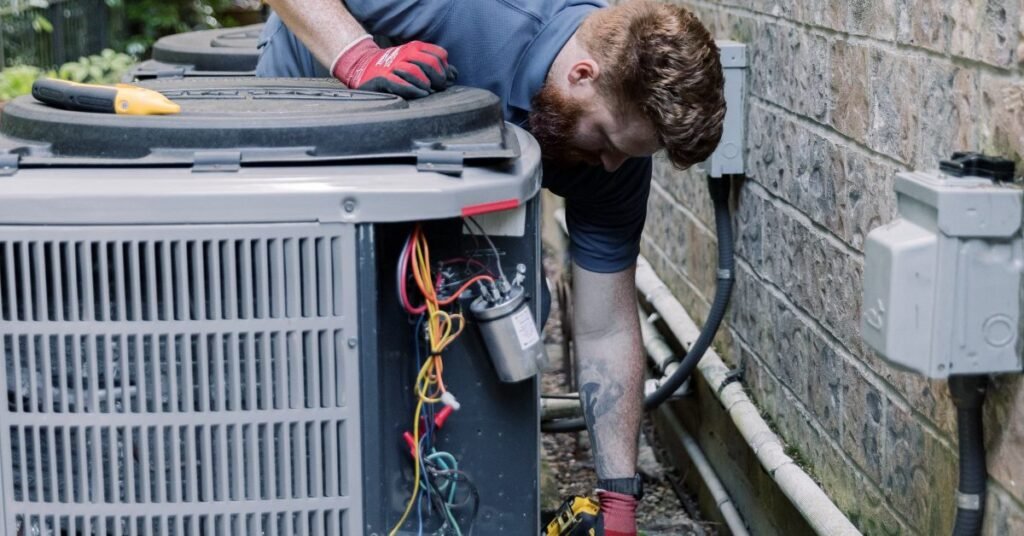
Heat pumps are common here, and their indoor coils stay wet for long stretches in summer. That is what a coil-mounted UV light for HVAC is built to handle.
Signs Your System May Benefit From a UV Lamp
These signs suggest your system could be a good candidate:
- Musty smell when the AC or heat pump first turns on
- Dark spots or slime on the coil or in the drain pan during service
- Frequent drain clogs caused by algae or sludge in the condensate line
- Allergy concerns in the home, paired with a good filter upgrade
- Coil cleanings needed often to keep airflow steady
365 nm vs 395 nm vs UV-C: Which UV Light Should You Use?
This question confuses a lot of homeowners. Here is the simple version.
Light sold as 365 nm or 395 nm is UV-A, the same type found in black lights. It glows purple but does not kill germs in any useful way.
Germicidal lamps made for HVAC systems use UV-C light, usually around 254 nm. That shorter wavelength is the one that damages germ DNA. If a product does not clearly say UV-C or germicidal, it is not the right lamp for your system.
A Quick Word on Safety and Ozone
UV-C light can hurt your eyes and skin, so HVAC lamps sit inside a closed cabinet. Good units shut off when the panel opens.
Some lamps are built to make ozone on purpose. Ozone is a lung irritant, so we suggest choosing a lamp labeled ozone-free for any home with kids, older adults, or anyone with breathing problems.
Not sure which lamp your system needs? Call our team at (253) 397-7220, Monday to Friday, 7:30 AM to 8 PM. We will check your coil, drain pan, and filter, then recommend only what fits.

Where Should a UV Light Be Installed in Your HVAC System?
Placement decides how well the lamp works. A lamp in the wrong spot can miss the coil and drain pan entirely. Here is how a proper install usually goes:
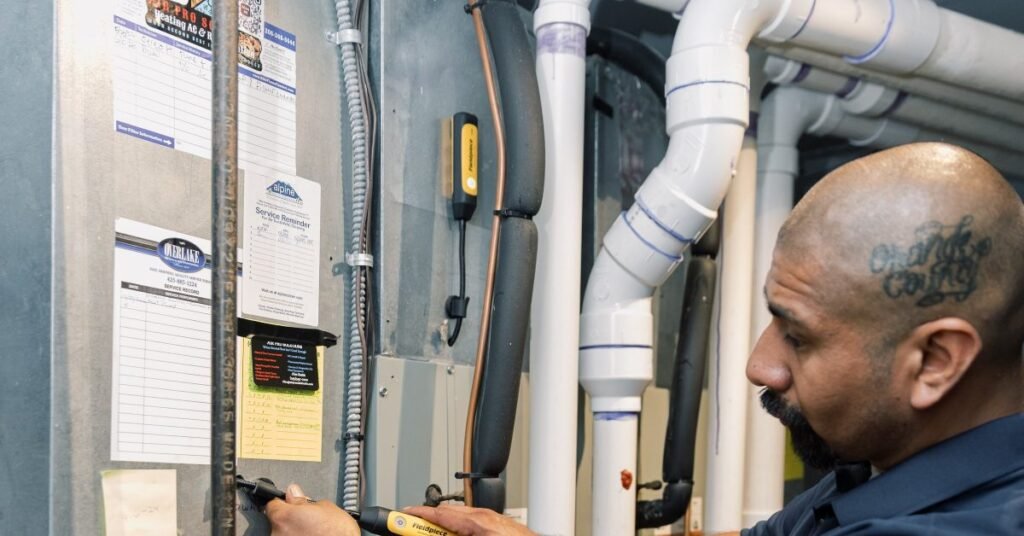
- Inspect the system. The technician checks the coil, drain pan, and condensate line for existing growth or clogs.
- Clean first if needed. A heavily soiled coil should be cleaned before the lamp goes in, so the light reaches the metal.
- Pick the mounting spot. Most coil lamps mount on the supply side, just above or beside the coil, with a clear line of sight to the drain pan.
- Drill and mount the lamp. A small hole is cut in the cabinet or plenum, and the lamp is fixed and sealed so air does not leak.
- Wire it safely. The lamp is wired to power, and a door safety switch is added if the unit includes one.
- Test and note the date. The technician confirms the bulb is on and writes the install date so you know when to replace it.
UV light can fade nearby plastic parts, so a trained installer shields them. That is one reason we do not suggest a DIY install.
What Does a UV Light for HVAC Cost to Own?
Price depends on the lamp type, the number of bulbs, and how easy your system is to reach. Attic or crawl space installs take more labor than a closet.
Ongoing cost matters too. UV output drops long before the bulb looks dim, so most makers suggest a new bulb about once a year. Electricity use is small, similar to a regular light bulb running all day.
We give a written quote after we see your system, including future bulb costs, so a UV light for HVAC never brings surprise bills.
How UV Lights Compare to Other Air Quality Options
A UV lamp is one tool among several. If your main goal is cleaner air to breathe, whole home air purifiers and better filters often do more for dust and allergens. If your goal is a cleaner coil and fewer musty smells, UV light is a strong fit.
Filters matter no matter what you choose. Learn more about changing your air filter on a steady schedule, since a clogged filter can undo the gains from any add-on.
Frequently Asked Questions About UV Light for HVAC
How much does a UV light cost for an air conditioner?
Cost depends on whether you choose a single coil lamp or a combination unit, how many bulbs it uses, and how hard your system is to reach. Replacement bulbs are an ongoing cost, usually once a year. A technician should see your equipment before giving a firm written price.
Do UV lights in AC really work?
Yes, for keeping the cooling coil and drain pan clean. The EPA notes that well-designed lamps may destroy some mold and bacteria on damp HVAC surfaces. They are much less effective on germs floating in moving air, so pair them with a good filter for cleaner breathing air.
Which is better, 365 or 395 UV light?
Neither is right for an HVAC system. Both 365 nm and 395 nm lights are UV-A, the type used in black lights. They do not disinfect. HVAC germicidal lamps use UV-C light, usually near 254 nm. Always look for the words UV-C or germicidal on the product label.
What is the disadvantage of UV light in HVAC?
UV lamps do not catch dust or pollen, and bulbs need replacing about once a year. Some models make ozone, which irritates lungs. UV-C light can also fade nearby plastic parts and harm eyes if exposed. Choosing an ozone-free lamp and a trained installer avoids most of these problems.
Where should I install the UV light in my HVAC unit?
Most coil lamps go on the supply side of the system, just above or beside the evaporator coil. The bulb needs a clear view of the coil and the drain pan below it. That spot stays wet the longest, so it gives the lamp the most useful work to do.
Get a Straight Answer on UV Lights for Your Auburn Home
A UV light for HVAC is not a cure-all, but it can be a smart add-on in our damp climate. The key is a true UV-C lamp placed where it reaches the coil and drain pan.
Call Air Pro Solutions at (253) 397-7220 to book an indoor air quality check. We will open your system, show you what we find, and tell you plainly if a UV lamp is worth it. You can also contact our Auburn team online. We serve Auburn, Federal Way, Kent, Renton, Maple Valley, Covington, Bonney Lake, Des Moines, and SeaTac.